
Carnelian, the Warm Stone That Gets You Moving
Red orange chalcedony that shows up on ancient jewelry, Roman signet rings, and Egyptian burial goods. Why the stone has been associated with courage for three thousand years, and what the heat treatment question means for modern buyers.
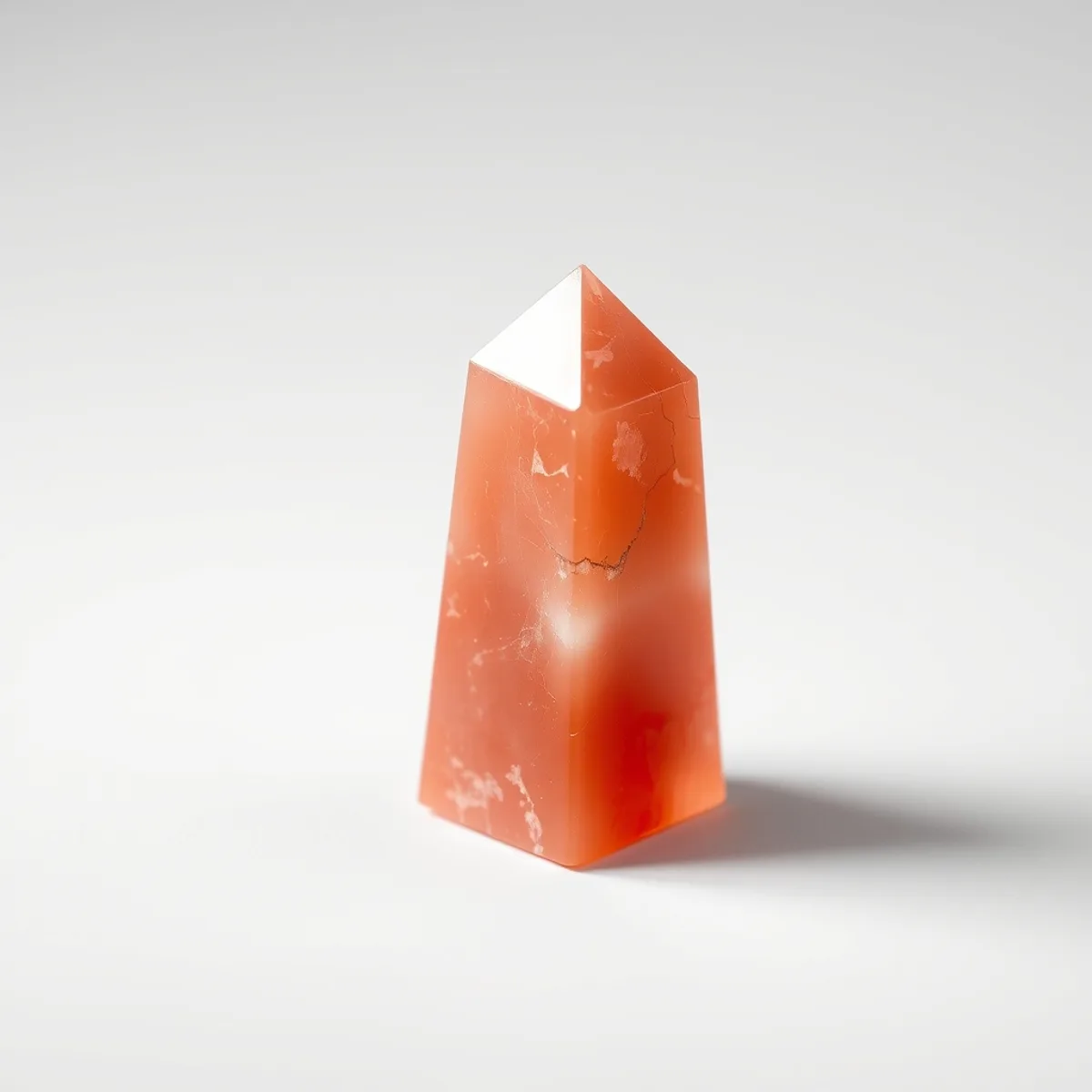
At a glance.
Quick read- ChakraSacral (Svadhisthana), Root (Muladhara)
- Mohs hardness6.5 to 7
- Mineral familyChalcedony (microcrystalline quartz)
- OriginIndia, Brazil, Uruguay, Madagascar
- ColourTranslucent orange to red brown
- ElementFire
- ZodiacAries, Leo, Virgo
- Sits well withCourage, starting things, warmth after withdrawal
- Water safeYes
- Sun safeYes
- RarityCommon, natural unheated is uncommon
Carnelian is one of the oldest continuously used stones in human adornment. It appears on Egyptian burial goods from the 4th millennium BCE, in Mesopotamian cylinder seals from around 3000 BCE, and on Roman signet rings through the height of the empire. If you walk through a major museum and look specifically for amber coloured seal stones in classical jewelry collections, you will find carnelian more often than any other material. This is a stone with an unusually long track record.
What carnelian actually is
Chemically, carnelian is a variety of chalcedony, which is itself a form of microcrystalline quartz. The red orange colour comes from trace iron within the structure. Natural carnelian forms in volcanic and sedimentary deposits and ranges in colour from pale honey through deep red brown.
The distinction between carnelian and its close relative sard is historically fluid. Most classical writers used the names interchangeably, and modern usage follows suit. Sard is generally a deeper brown red while carnelian leans orange. Most pieces sit somewhere in between.
The heat treatment question
Nearly all commercial carnelian has been heat treated. This has been true for thousands of years. Romans knew that certain pale agates from Anatolia could be baked to deepen their colour, and the practice has continued essentially unchanged since then.
A quick comparison.
| Type | Colour | Source | Price tier |
|---|---|---|---|
| Natural deep | Rich red brown without treatment | India, Uruguay | Premium |
| Natural pale | Soft honey to apricot | Various | Entry |
| Heat treated | Enhanced orange red from paler input | Brazil, India | Entry to mid |
None of this is dishonest when labeled clearly. The treatment is stable, the resulting stone is still real carnelian, and the practice is older than most nation states. The problem appears only when heat treated material is sold at natural deep prices, which is primarily a higher end market issue.
The long tradition
A few threads from the historical record that give modern claims more weight than they are sometimes given credit for.
Egypt. Carnelian appears in amulets shaped like the tyet knot, a symbol of Isis, placed with the dead. The stone was associated with blood, vitality, and the passage between life and afterlife.
Mesopotamia. Cylinder seals carved from carnelian were used by merchants and officials to authenticate documents for at least two thousand years. The stone was specifically preferred because wax did not stick to it when the seal was pressed.
Rome. The signet ring, or anulus signatorius, was often set with carnelian. The same property that made it work in Mesopotamia, the clean release from wax, kept it in use across the Mediterranean for a millennium. Roman generals, senators, and merchants wore carnelian rings as both identity and authority.
Islamic tradition. Carnelian rings are described in several hadith as favoured by the Prophet Muhammad, and the stone has been held in particular regard in Islamic jewelry traditions since.
That is a lot of unrelated cultures landing on the same stone for serious daily use. Whatever symbolic associations a modern reader takes from that pattern, the practical fact is that a great many civilizations trusted this stone to sit on their most important finger for decades.
The chakra and symbolic associations
In modern crystal work, carnelian is most often paired with the sacral chakra, Svadhisthana, which sits below the navel. The traditional association is with creativity, embodiment, and the capacity to begin things. Some writers also associate carnelian with the root chakra for its grounding, warming quality.
The older traditions consistently describe carnelian as a stone for courage and warmth. Whether you take chakra language seriously or treat the older descriptions as metaphor, the theme is the same. This is the stone people reach for when they need to act despite feeling hesitant.
A useful distinction. Courage in the old sense did not mean aggression. It meant the capacity to do what needed doing without being ruined by the fear around it. Carnelian sits better with that older meaning than with modern motivational language.
Living with a piece
Four approaches that carry the tradition well.
As a ring. This is the original use, and it still works. A small carnelian set in silver on a finger you glance at throughout the day becomes a quiet reinforcement.
On a desk where you start work. Many people place a tumbled carnelian where they sit down to write, to study, or to make difficult calls. The stone becomes a small visual cue that begins the session.
In a pocket during a creative block. For anyone who works with their hands or with language, carnelian is one of the stones most often mentioned as a companion during creative pause.
Paired with hematite or black tourmaline. The pairing grounds the warmth, which some practitioners find more sustainable than carnelian alone. The visual contrast is also beautiful.
Caring for carnelian
Three straightforward notes.
It is durable. At 6.5 to 7 on the Mohs scale, carnelian handles everyday wear without difficulty. Rings and bracelets survive the kind of use that damages softer stones.
It is sun stable. Unlike amethyst or citrine, carnelian does not fade in ordinary light exposure.
It is water safe. Ordinary washing is fine. Avoid prolonged salt water, which over years can dull the polish on a cabochon.
Buying honestly
Two quick checks.
Ask about treatment. A dealer who calls a piece natural deep carnelian should be able to tell you the source. A dealer who cannot, or who hedges, is usually selling heat treated stone.
Check translucency. Hold the piece against a strong light source. Real carnelian shows warm light through the edges, sometimes through the whole stone. If a piece is fully opaque, it is probably red jasper being sold under the wrong name.
A closing thought
Carnelian is a stone that has been quietly holding its place in human life for over five thousand years. No fashion, no trend, no marketing cycle has dislodged it. When you reach for it during a hard start, you are participating in a tradition that predates the Great Pyramid. That continuity is part of what the stone has to offer, before any chakra claim enters the picture.
A few honest questions.
Is most carnelian heat treated?
Yes. Most commercial carnelian is heat treated agate or pale carnelian that has been enhanced to a richer orange red. The treatment is stable and traditional, going back millennia. Natural unheated carnelian from specific sources is available but less common.
How can I tell carnelian from red jasper?
Hold the stone against a strong light. Carnelian is translucent, letting some light through the edges. Red jasper is opaque. The other tell is colour tone. Carnelian leans orange red. Jasper leans brick red.
Can carnelian be worn in sunlight?
Yes, unlike amethyst or citrine, carnelian does not fade in normal sun exposure. Wear it daily without concern.
What is the connection to Roman signet rings?
Carnelian was the most common stone used for intaglios in the Roman world. Wax does not stick to carnelian, which makes it ideal for sealing letters. The practice lasted from roughly 500 BCE through the Renaissance in European tradition, which is why so many museum collections contain carnelian seal rings.
Keep reading.
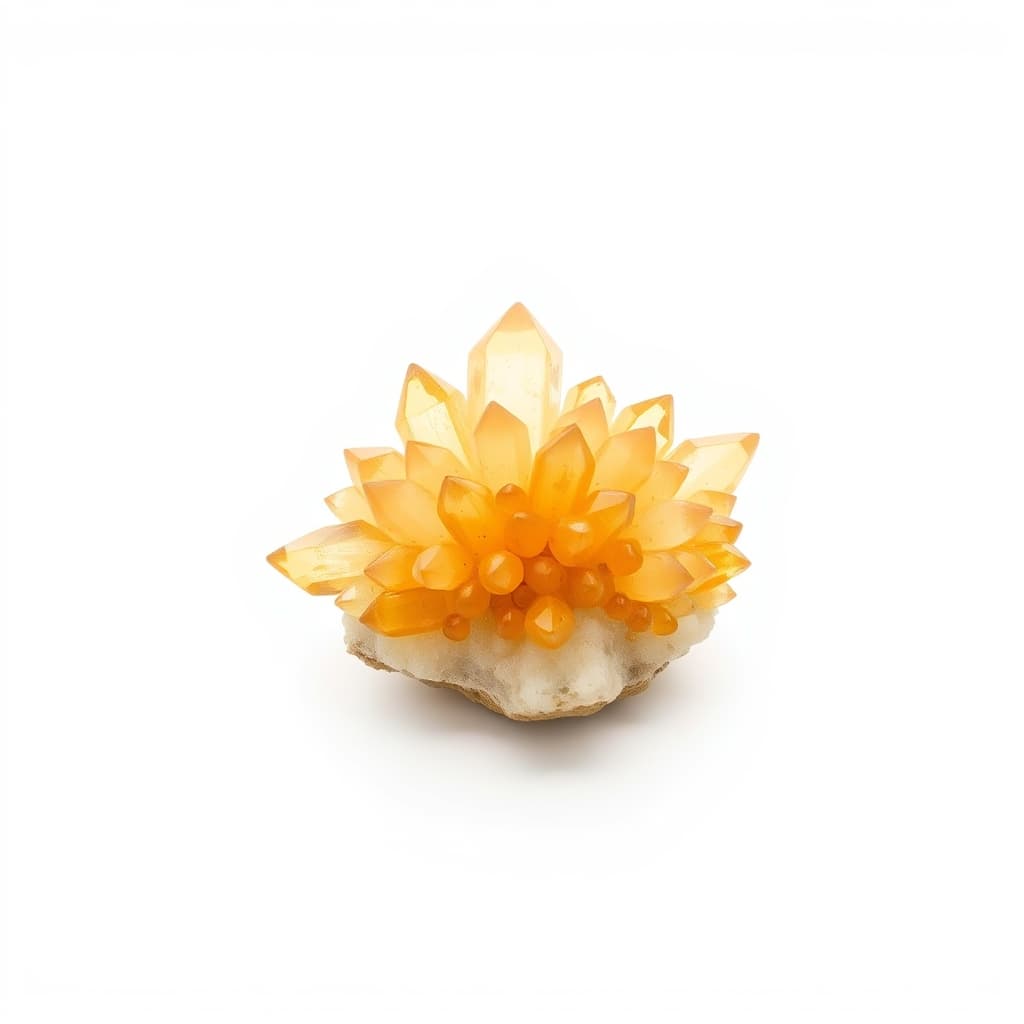
Citrine, and the Quiet Trouble With Most of What You Buy
Real citrine is one of the rarer quartz varieties. Most of what sells under the name is heat treated amethyst. Here is how to tell the difference, why it matters, and what the stone traditionally stood for before any of that got complicated.
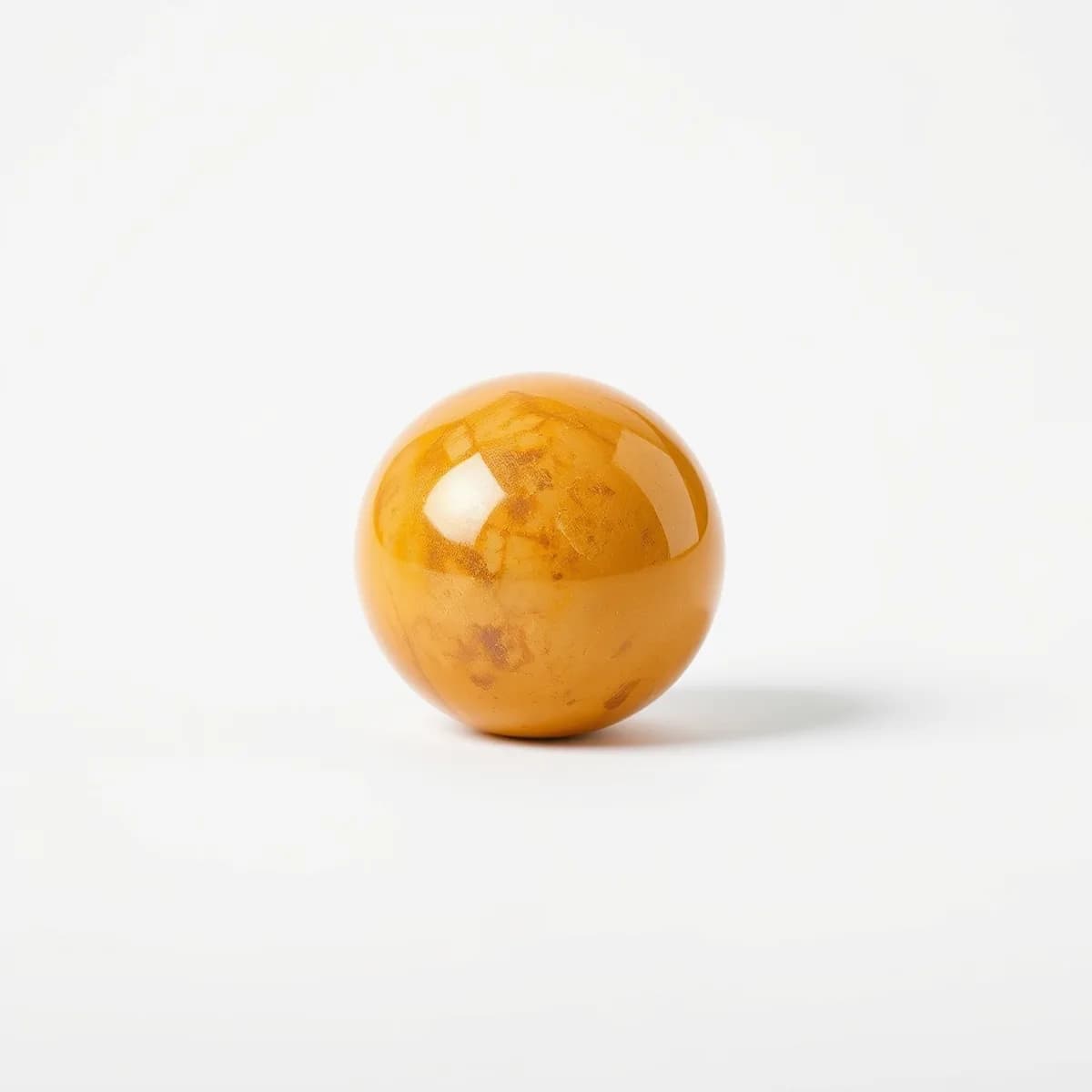
Tiger's Eye, the Stone That Catches Light Like a Cat's
A striped, chatoyant quartz variety that shifts as you tilt it. The mineralogy behind the silk, the difference between gold and red and blue varieties, and the quiet confidence this stone has always been associated with.
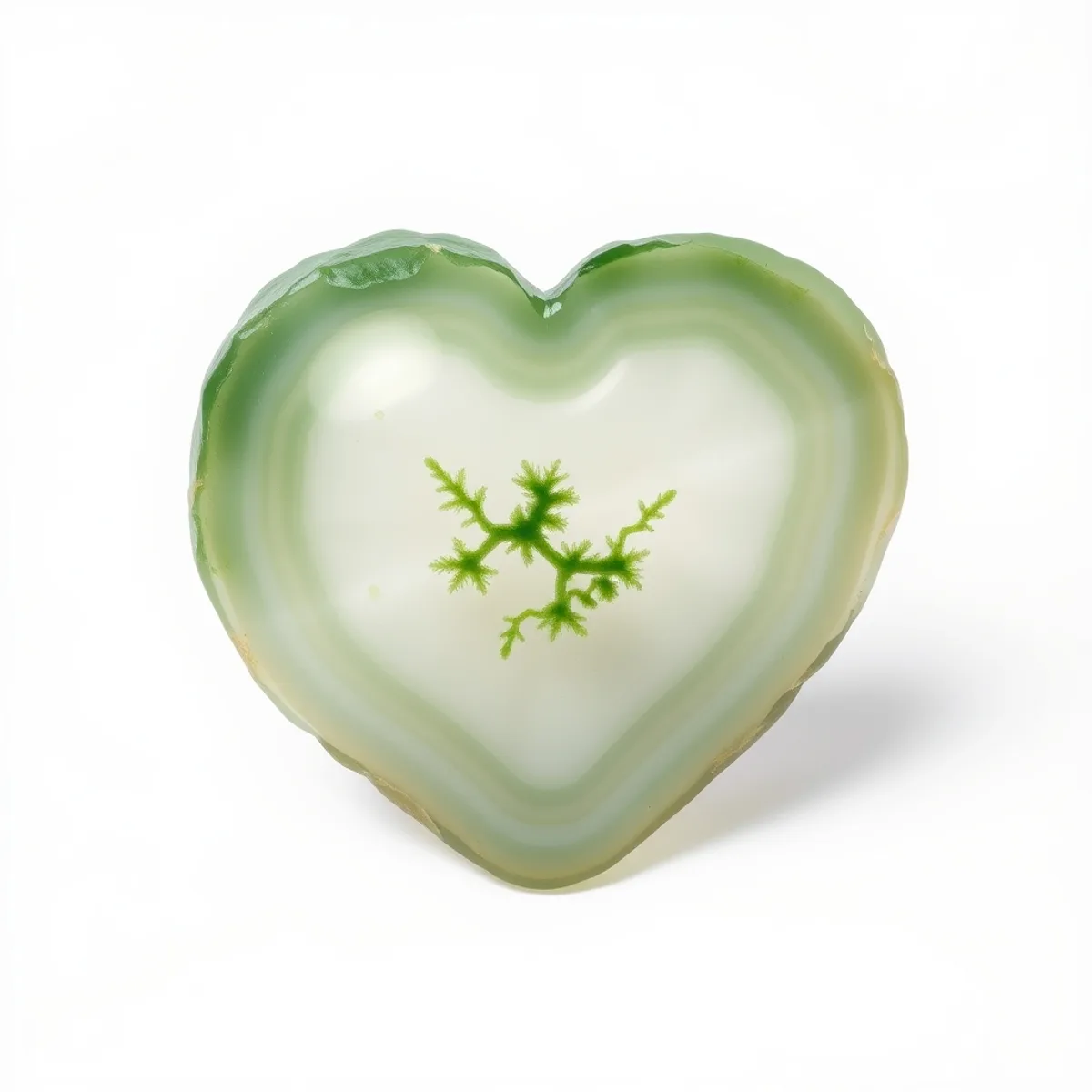
Moss Agate, the Gardener's Stone
Not technically an agate and not technically mossy, but one of the loveliest stones to hold against a window. Where the green dendrites come from, and the long association with gardens and slow growth.
Mentioned in
Sit with us on Sundays.
One quiet letter every week. New writing, a crystal to consider, and whatever we have been thinking about. No tracking pixels, no affiliate noise.
By subscribing you agree to receive weekly emails from AU Crystals. Unsubscribe anytime. See our privacy note.