
Tiger's Eye, the Stone That Catches Light Like a Cat's
A striped, chatoyant quartz variety that shifts as you tilt it. The mineralogy behind the silk, the difference between gold and red and blue varieties, and the quiet confidence this stone has always been associated with.
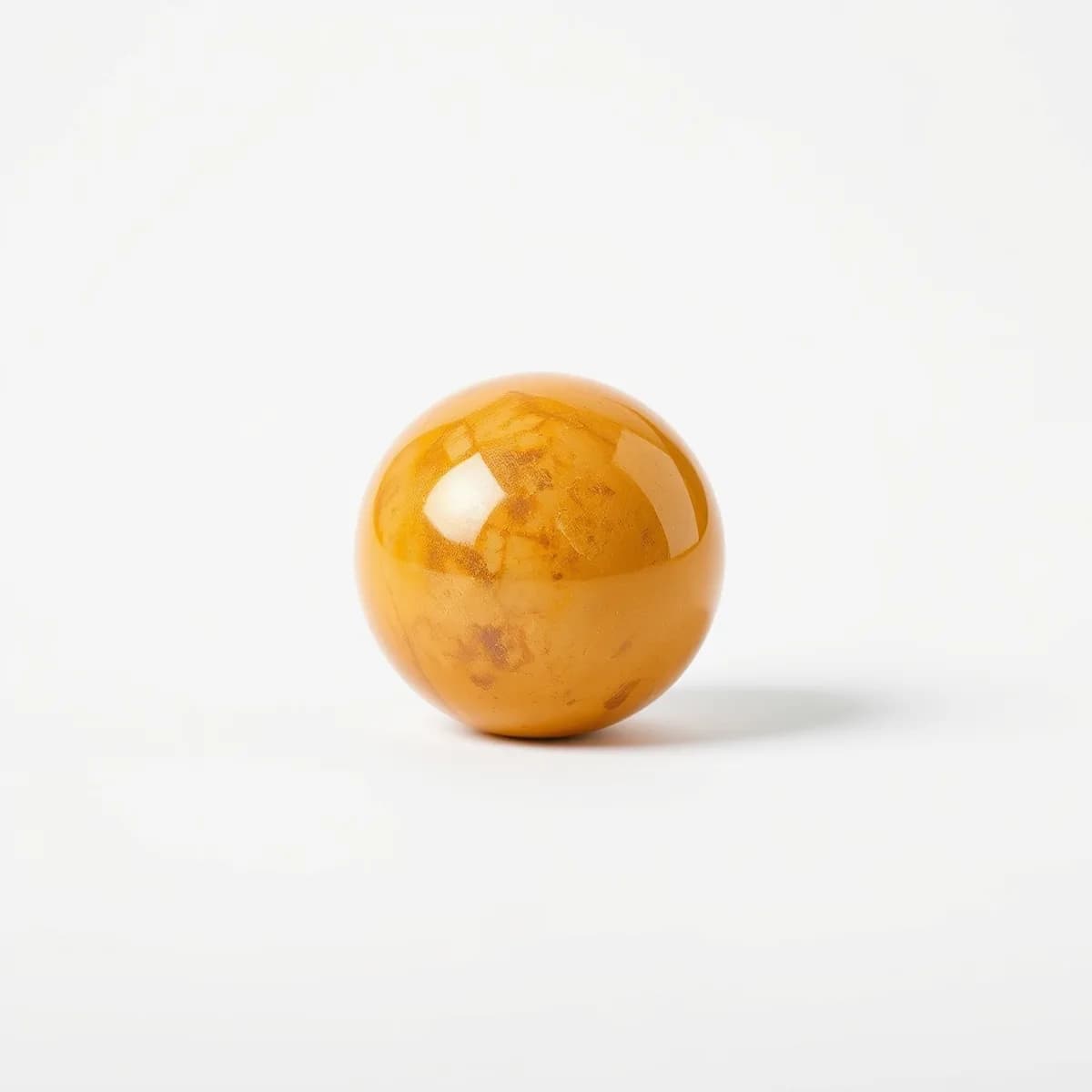
At a glance.
Quick read- ChakraSolar Plexus (Manipura), Sacral (Svadhisthana)
- Mohs hardness7
- Mineral familyQuartz (fibrous pseudomorph after crocidolite)
- OriginSouth Africa, Australia, India, Namibia
- ColourGolden brown with silky bands (red and blue variants exist)
- ElementEarth, Fire
- ZodiacCapricorn, Leo, Gemini
- Sits well withQuiet confidence, steady focus, discernment
- Water safeYes
- Sun safeYes
- RarityCommon, high grade with strong chatoyancy is uncommon
Tiger's eye is the stone people usually own without thinking of it as a crystal. It sits in bracelets, pendants, worry stones. It is one of the cheapest polished stones in most shops. But if you have ever tilted a good piece in the light and watched a band of gold silk travel across the surface like something liquid, you already know why this stone has been kept close across cultures for centuries.
What chatoyancy actually is
The shifting silky band is called chatoyancy, a French word that means the quality of a cat's eye. The effect happens when light reflects off thousands of parallel fibrous inclusions running through the stone. As you tilt the piece, the angle of incidence changes, and the reflected band appears to move across the surface.
Tiger's eye is technically a pseudomorph, which means the original mineral (a fibrous blue mineral called crocidolite) has been chemically replaced by quartz while keeping its fibrous structure. The result is quartz that remembers the fibres of the stone that came before it. That memory is what produces the silk.
This is also why tiger's eye is more durable than it looks. It inherits the 7 hardness of quartz but keeps the directional grain of the original fibrous mineral, which gives the stone both toughness and character.
The varieties
The market sells several distinct types under overlapping names. Here is what actually sits in each bin.
| Variety | Colour | How it formed | Notes |
|---|---|---|---|
| Gold tiger's eye | Honey brown with gold silk | Natural iron oxidation | The classic, most common |
| Red tiger's eye | Deep brick to mahogany | Heat treated gold material | Stable, traditional |
| Blue tiger's eye (hawk's eye) | Blue grey with silvery silk | Natural, less oxidized | Uncommon, more striking |
| Tiger iron | Banded with jasper and hematite | Layered deposit | Separate stone, not pure tiger's eye |
| Dyed colours | Vivid green, purple, pink | Dyed polished stone | Fades with wear, generally avoid |
If you want the traditional stone, gold or blue is the honest choice. Red is fine if you like the tone, with the understanding that the colour is enhanced. Anything unusually bright in a non natural tiger's eye colour has been dyed and will disappoint over time.
The long tradition
Roman soldiers wore tiger's eye as amulets against being seen by the enemy, drawing on the same cat's eye visual metaphor that gave the stone its name. Egyptian statuary used polished tiger's eye for the eyes of deities to convey watchfulness. In the old Indian textual tradition, tiger's eye is associated with clarity and the kind of confidence that does not need to prove itself.
The common thread across these older sources is not aggression or dominance, despite the animal reference. It is discernment. The cat does not rush. The cat sees what matters, waits, and then moves. That older meaning is closer to the traditional use than modern motivational marketing usually gets.
A useful reframe. If a stone is sold to you specifically as a tool for beating rivals, winning arguments, or dominating meetings, the seller has drifted away from the tradition. Tiger's eye in its older meaning is about seeing clearly, not striking hard.
The chakra association
Tiger's eye is most commonly paired with the solar plexus chakra (Manipura) and the sacral chakra (Svadhisthana). The solar plexus association relates to personal agency and grounded confidence. The sacral association relates to creative momentum, the capacity to keep going through the middle of a difficult project.
Some writers also associate tiger's eye with the root chakra when the stone is particularly dark or earthy in tone. This makes sense given how often the stone is recommended for grounding during anxious periods.
Living with a piece
Four approaches that work naturally with this stone.
On a desk where you need focus. This is the single most common placement. A polished piece sitting next to a laptop becomes a visual cue when attention drifts.
As a ring or bracelet. Unlike softer stones, tiger's eye handles daily wear well. A bracelet on the dominant wrist is the traditional placement for discernment work.
In a pocket during decision heavy days. When you are about to make a choice with consequences, carrying a tumbled tiger's eye is a small ritual of pausing before speaking.
Paired with clear quartz. The combination is traditional. The clear stone amplifies the pause. The tiger's eye carries the specific colour of discernment.
Caring for tiger's eye
Three notes.
It is durable. At 7 on the Mohs scale it takes ordinary wear without trouble.
It is sun stable. Direct sunlight does not fade the golden brown. Dyed varieties do fade in sun, which is one more reason to avoid them.
It is water safe. Normal washing is fine. Avoid ultrasonic cleaners, which can weaken the fibrous structure along the grain.
Buying with clear eyes
Two honest checks.
Look at the chatoyancy. A good piece shows a clear band of silk that moves as you tilt the stone. A poor piece shows dull brown without the shifting effect. If the listing photo does not show the chatoyancy clearly, assume the stone is lower grade.
Check for dye. Vivid unnatural colours are dyed. Natural tiger's eye runs from honey brown through blue grey, with red as the traditional heat treated variant. Anything outside that range is cosmetic treatment that will wear off.
A closing thought
Tiger's eye has kept its reputation for watchfulness across cultures that never met each other, which usually means the stone itself is doing some of the work. Keep a small polished piece somewhere you glance when you need to slow down and see clearly. That is the practice, and it is a good one.
A few honest questions.
What is the silky shifting effect on tiger's eye called?
Chatoyancy. The word comes from the French oeil de chat, meaning cat's eye. The effect appears when light bounces off parallel fibrous inclusions inside the stone, which produces a band of reflected light that moves as the stone tilts.
Is tiger's eye always dyed?
Not always. The golden brown variety is usually natural. The bright red variety is usually heat treated, which is traditional and stable. The bright blue or grey variety, called hawk's eye, is natural. Aggressive colours like vivid green or purple tiger's eye are almost always dyed and fade with wear.
Is tiger's eye durable enough for a ring?
Yes. At 7 on the Mohs scale it handles daily wear. The fibrous structure can sometimes chip along the grain under sharp impact, so avoid striking the stone against hard surfaces, but for ordinary life it is reliable.
What is the difference between tiger's eye and tiger iron?
Tiger iron is a banded stone that combines tiger's eye with red jasper and hematite in alternating layers. It is sold as a separate stone and has its own following. Real tiger's eye is just the chatoyant layer without the jasper and hematite bands.
Keep reading.
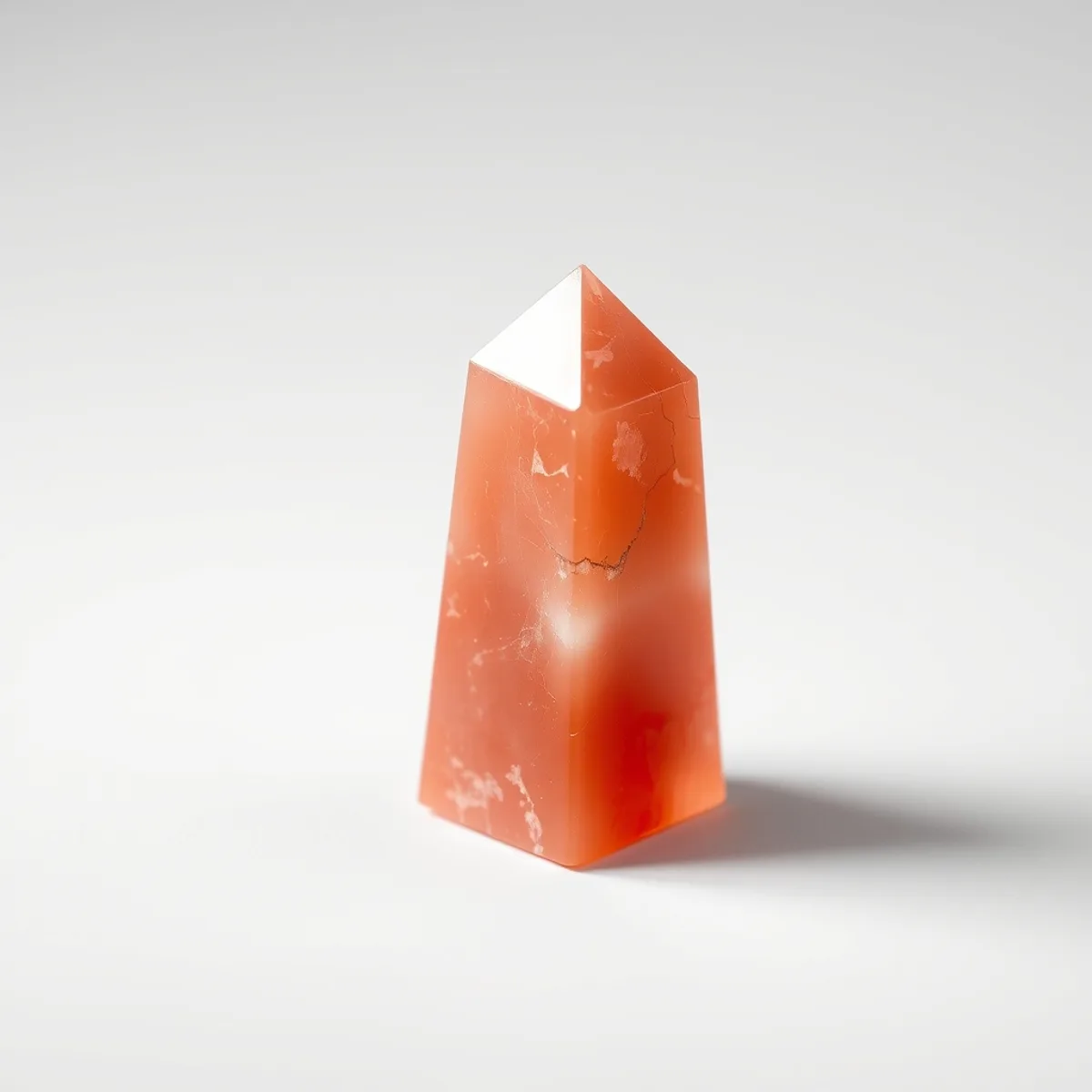
Carnelian, the Warm Stone That Gets You Moving
Red orange chalcedony that shows up on ancient jewelry, Roman signet rings, and Egyptian burial goods. Why the stone has been associated with courage for three thousand years, and what the heat treatment question means for modern buyers.
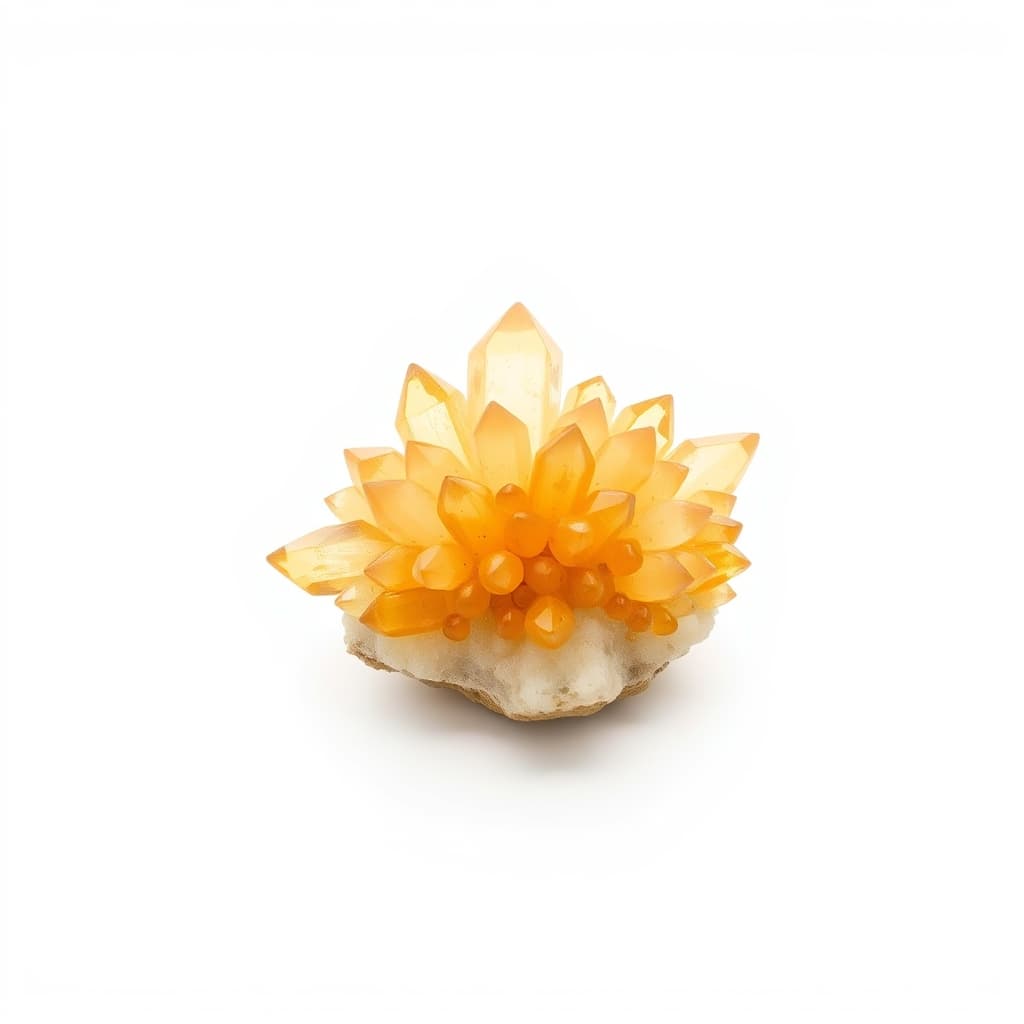
Citrine, and the Quiet Trouble With Most of What You Buy
Real citrine is one of the rarer quartz varieties. Most of what sells under the name is heat treated amethyst. Here is how to tell the difference, why it matters, and what the stone traditionally stood for before any of that got complicated.
Gemini Crystals, Mercury Air and the Agile Mind
The third zodiac sign carries Mercury energy, the communicator, the quick pattern-maker, the sign most at home in words. The stones that sit well with Gemini support clarity without dulling the quickness.
Mentioned in
Sit with us on Sundays.
One quiet letter every week. New writing, a crystal to consider, and whatever we have been thinking about. No tracking pixels, no affiliate noise.
By subscribing you agree to receive weekly emails from AU Crystals. Unsubscribe anytime. See our privacy note.