
Bloodstone, the Soldier's Stone
A deep green chalcedony flecked with red, worn into Roman battlefields and medieval reliquaries. The mineralogy, the religious tradition, and why it keeps appearing in collections of stones people carry through hard seasons.
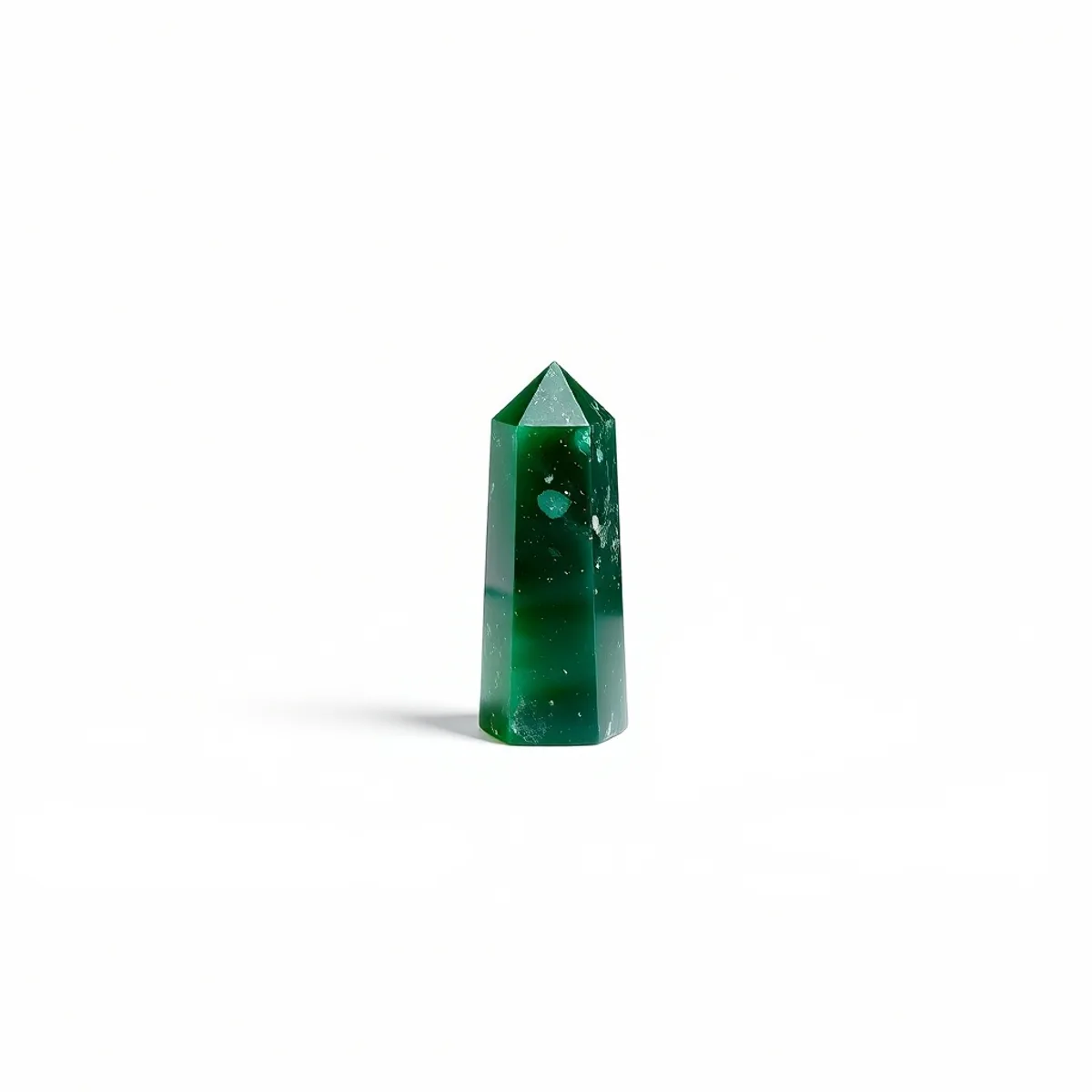
At a glance.
Quick read- ChakraRoot (Muladhara), Heart (Anahata)
- Mohs hardness7
- Mineral familyChalcedony (heliotrope)
- OriginIndia, Brazil, Australia, Germany
- ColourDeep green with red hematite flecks
- ElementEarth
- ZodiacAries, Libra, Pisces
- Sits well withCourage, endurance, grounded heart work
- Water safeYes
- Sun safeYes
- RarityCommon
Bloodstone is the quiet companion of people going through long hard things. Not the sharp shock of grief where black tourmaline fits. The slow one. The job that will not end, the health thing that keeps asking, the caregiving season with no horizon. For those periods, the stone that keeps getting quietly recommended, across centuries and traditions, is bloodstone.
What bloodstone actually is
Bloodstone is dark green chalcedony with scattered red flecks of hematite. Chemically it is silicon dioxide with iron oxide inclusions. The older mineralogical name is heliotrope, from the Greek helios tropos, meaning sun-turner, because early observers noticed that submerging the stone in water and angling it toward the sun produced a red tint in the reflected light.
Quality varies by how evenly the red flecks are distributed. A piece with balanced distribution is prized. One dominated by large red patches reads muddy. One without visible flecks is just green chalcedony.
The long tradition
Bloodstone has three overlapping traditional meanings that each still appear in modern crystal writing.
Roman military use. Soldiers carried bloodstone amulets into battle, associating the red flecks with staunched wounds. The tradition was practical and magical at once: the stone was believed to slow bleeding. It did not, but it did provide a ritual focus in moments when a person needed something to hold.
Medieval Christian tradition. By the 1200s, European Christian writers connected the red spots to drops of Christ's blood falling onto dark stone at the foot of the cross. Bloodstone became a reliquary material, often carved into scenes from the Passion. Many museum collections still hold these carvings.
Older Greek and Egyptian practice. Both cultures used bloodstone for amulets associated with longevity and endurance.
The consistent thread across these traditions is staying power. Not aggression, not dramatic protection, but the capacity to keep going through something that takes longer than you hoped.
Chakra and modern framing
Modern crystal practice pairs bloodstone with the root chakra for grounding, and occasionally with the heart chakra for the softer heart work that long difficult periods require. Most sources describe it as a stone for courage and endurance specifically.
An honest reframe. Bloodstone will not fix the long hard thing you are going through. What it does, as a tradition and as a small physical companion, is sit with you through it. That companionship is worth more than most people think.
Living with a piece
Three simple uses with long tradition.
In a pocket during a long season. The weight becomes a reminder that others have gone through similarly long things with this same stone in their pocket.
On a desk during endurance work. Writing a thesis, building a business, recovering from illness. The stone marks the place where patience gets practiced.
As a pendant. Discreet under a shirt, always there. The classical soldier placement, still available to anyone going through a modern kind of long battle.
Caring for bloodstone
Durable. 7 on the Mohs scale. Water safe. Sun stable. A cheap, reliable, honest stone that asks very little of you in return for what it offers.
A few honest questions.
What is bloodstone made of?
A dark green variety of chalcedony (cryptocrystalline quartz) with small red flecks of iron oxide. The red is hematite inclusions scattered through the green matrix. The older mineralogical name is heliotrope.
Why is it called bloodstone?
The medieval Christian tradition linked the red spots to drops of blood from the Crucifixion. The name is symbolic rather than literal. Older Greek writers called it heliotrope, meaning sun-turner, for the way it tints light when submerged in water.
Can bloodstone go in water?
Yes. Chalcedony sits at 7 on the Mohs scale and handles water well. Avoid ultrasonic cleaning, which can loosen some of the softer hematite inclusions.
What is the difference between bloodstone and dragon blood jasper?
Different stones. Bloodstone is green with red flecks. Dragon blood jasper is red to brown with green patches. Both are chalcedony family but the colour dominance is reversed.
Keep reading.
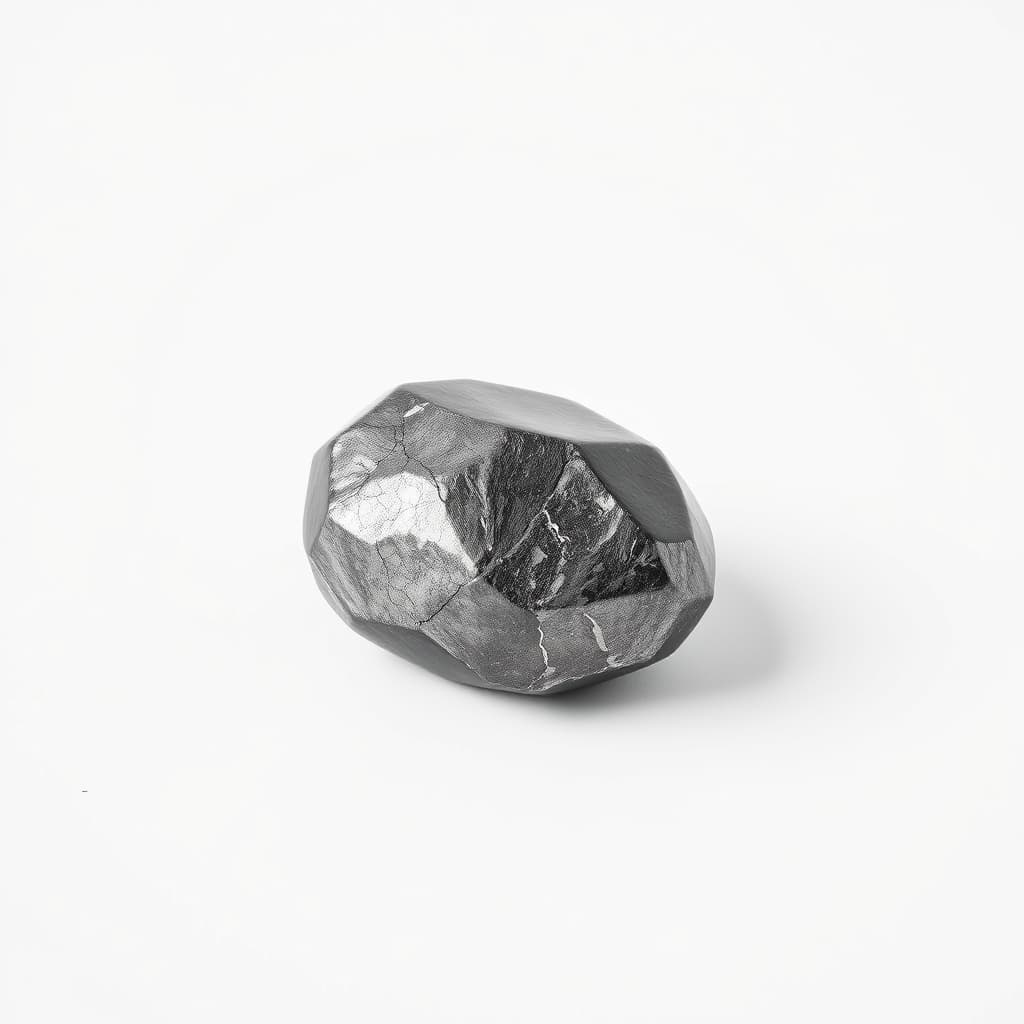
Hematite, the Heavy One
Iron oxide with a mirror shine and a weight you feel. The cosmetics and pigment history, why it has been associated with grounding for millennia, and the specific reason one modern claim about it is physics fiction.
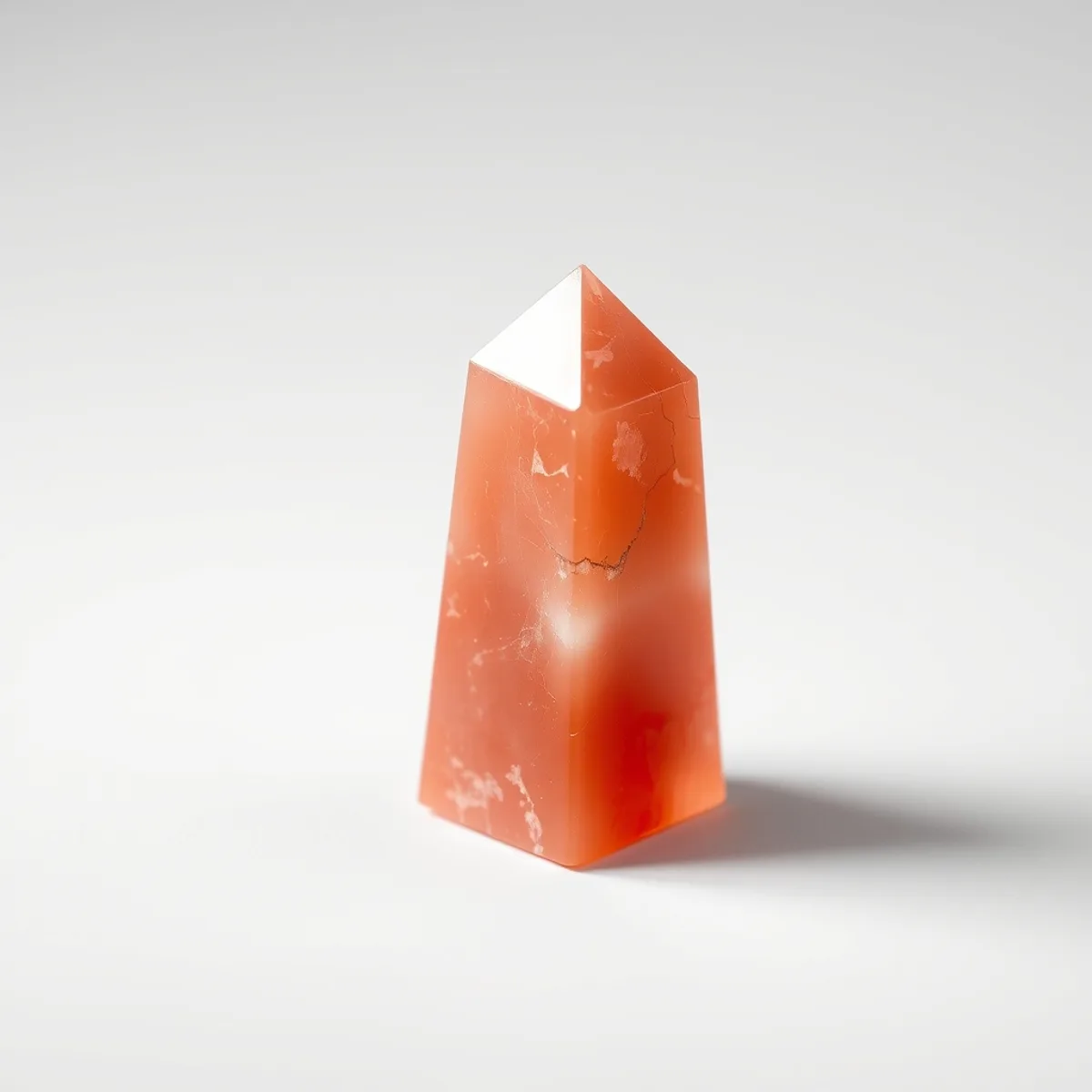
Carnelian, the Warm Stone That Gets You Moving
Red orange chalcedony that shows up on ancient jewelry, Roman signet rings, and Egyptian burial goods. Why the stone has been associated with courage for three thousand years, and what the heat treatment question means for modern buyers.
Aries Crystals, for Spring Fire and First Steps
The first sign of the zodiac carries Mars energy, initiative, and the spring pulse of beginnings. The stones that sit well with Aries balance the forward motion with enough weight to keep you from burning through yourself.
Mentioned in
Sit with us on Sundays.
One quiet letter every week. New writing, a crystal to consider, and whatever we have been thinking about. No tracking pixels, no affiliate noise.
By subscribing you agree to receive weekly emails from AU Crystals. Unsubscribe anytime. See our privacy note.