
Black Tourmaline, the Stone People Ask For When Life Is Loud
The protective stone in almost every tradition that touches black stones. A look at what tourmaline actually is, why practitioners recommend it for overwhelm, and how to tell polished tourmaline from dyed obsidian.
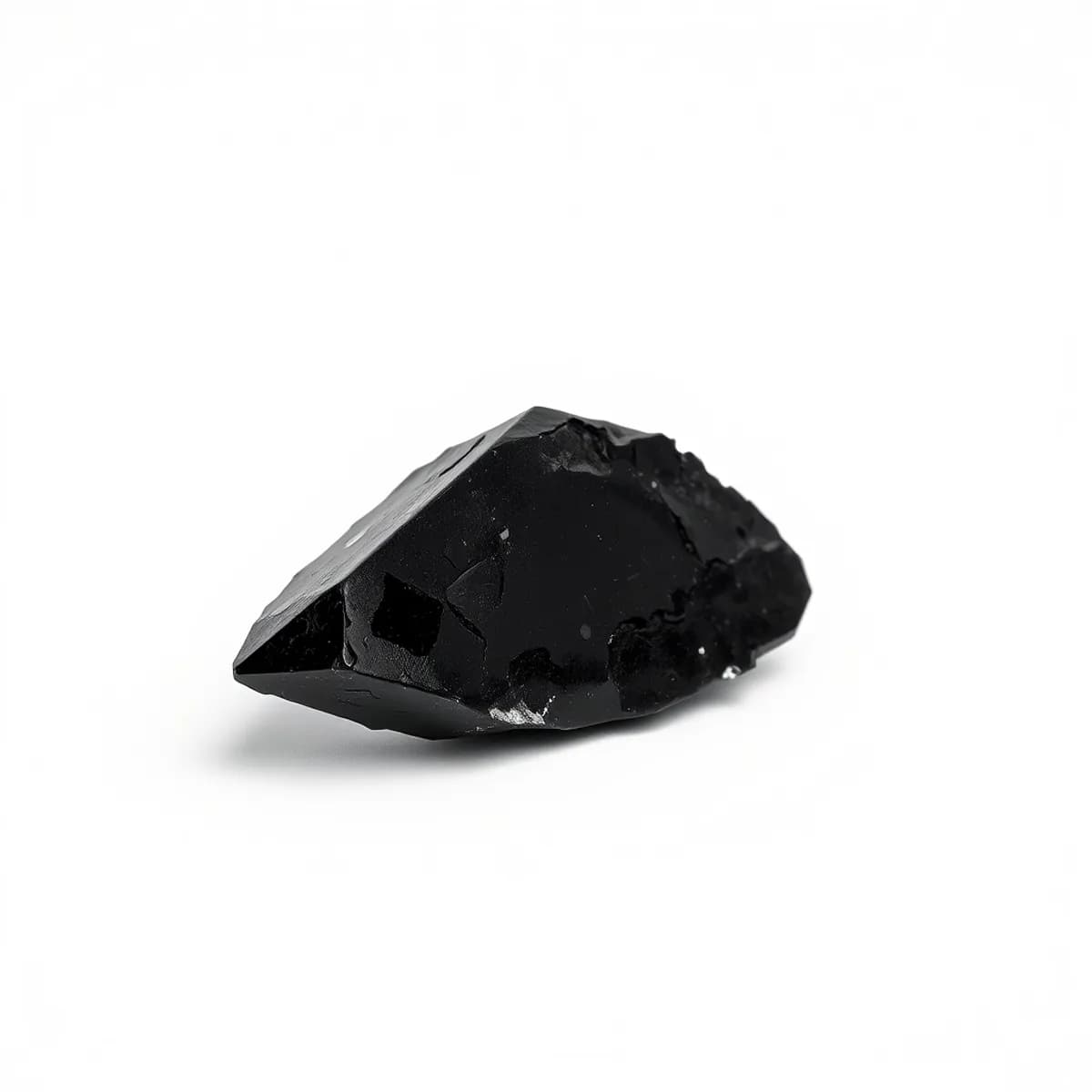
At a glance.
Quick read- ChakraRoot (Muladhara)
- Mohs hardness7 to 7.5
- Mineral familyTourmaline (Schorl)
- OriginBrazil, Pakistan, Afghanistan, Madagascar
- ColourDeep black with occasional brown tint
- ElementEarth
- ZodiacCapricorn, Scorpio
- Sits well withOverwhelm, threshold moments, grounding
- Water safeYes, avoid prolonged salt water
- Sun safeYes
- RarityCommon
Of every stone people tell us they reach for during hard seasons, black tourmaline is the most common. Grief, job loss, a period of overwhelm, a house that suddenly feels full of wrong energy, all of it tends to send people looking for something to hold. In nearly every tradition that values dark stones, the one that shows up as the steady one is black tourmaline, also called schorl in the mineralogical literature.
What tourmaline is
Tourmaline is not a single mineral but a group of related silicates with varying chemistry. Schorl, the iron rich black variety, is by far the most common. It grows in long, striated crystals with a distinctive ribbed surface that runs lengthwise along the shaft. This texture is one of the easiest ways to identify real tourmaline.
It forms in granite pegmatites, often alongside mica and quartz, and the major commercial sources today include Brazil, Pakistan, Afghanistan, and several African countries. Large specimens can be quite dramatic, with shafts the length of a forearm and surfaces that catch light in parallel lines.
Tourmaline is also pyroelectric and piezoelectric, meaning it generates small electrical charges under temperature change and pressure. This is a genuine physical property that has nothing to do with EMF blocking, which is a separate and unfounded claim.
The protective tradition
Across cultures, dark stones have carried protective associations for as long as stones have been worn. The specific claim for black tourmaline tends to focus on grounding, shielding, and absorbing. Read literally, these claims do not survive contact with physics. Read as metaphor, they describe something real.
The experience practitioners consistently describe is this. When overwhelmed, holding or seeing a black tourmaline creates a small pause. The weight in the hand is grounding. The colour is absorbing in a visual sense, drawing attention inward rather than outward. That pause is the mechanism. The stone does not do the shielding. The shift in attention does.
Why it ends up being the overwhelm stone
A few reasons this particular stone, rather than other dark crystals like obsidian or hematite, gets recommended for difficult periods.
The surface texture matters. Tourmaline is ridged and striated in a way that makes it interesting to hold. Running a thumb along the shaft provides a small tactile focus that smoother stones lack.
The weight matters. Tourmaline is denser than quartz but lighter than hematite. The heft feels deliberate without being heavy.
The cultural layering matters. Because so many traditions independently landed on black stones as protective, the practice of using one feels older and less arbitrary than many crystal practices. That historical depth is psychologically real, even for people who take a skeptical view of crystal work in general.
Practical ways to live with one
Four approaches that people who keep black tourmaline around tend to use.
First, the pocket piece. A small tumbled tourmaline in your pocket becomes a touchstone during the day. Any time you notice yourself tensing, reach for it. Two slow breaths while holding it. That is the entire practice.
Second, the nightstand. Many people keep a raw or polished specimen by the bed, particularly during anxious periods. As with amethyst, the mechanism is ritual rather than mineral. Seeing the stone becomes a cue to slow down before sleep.
Third, the threshold placement. Putting black tourmaline near the front door draws on the folklore of the stone as protection. As a practical matter, it places the stone in a spot you pass through during the transitions that most need grounding, namely leaving for and returning from the world.
Fourth, paired with selenite. Selenite is often recommended alongside black tourmaline in the tradition, with the framing that one absorbs and one clears. Read loosely, the two stones together are a lovely visual pairing, dark and light, dense and delicate. That is reason enough.
Distinguishing tourmaline from obsidian
This is the identification question that matters most, because the two stones look similar and are often confused in gift shops.
| Check | Black tourmaline | Obsidian |
|---|---|---|
| Surface | Vertical ribbed striations along the crystal | Smooth and glassy |
| Fracture | Breaks along the grain, often cleanly | Conchoidal curved fracture, like broken shell |
| Weight | Noticeably heavier for size | Lighter |
| Under bright light | Parallel striations visible at the right angle | Reads as a pool of ink |
| Composition | Silicate mineral | Volcanic glass |
If a dark stone feels surprisingly light in the hand and breaks in curves, it is almost certainly obsidian. Both are lovely stones. They are simply different things.
Caring for black tourmaline
Tourmaline is hard enough for daily wear. Water is fine, though prolonged soaking in salt water can dull the surface on raw specimens over time. Avoid sharp impact with raw pieces, particularly along the terminations, which can splinter along the striations.
Like any dark stone, it can get dusty fast. A soft brush or dry cloth is usually enough. No need for the elaborate cleansing rituals some writers recommend unless the ritual itself is part of your practice.
A closing note
Black tourmaline is not a cure for hard times. It is a small, beautiful, very old stone that people have reached for during hard times for thousands of years. That history is what the tradition really carries. Keep one near you, or do not. Let the weight in your hand be a reminder to pause, to breathe, to put the phone down for a minute. That is what black tourmaline has always done, at its honest best.
A few honest questions.
Is black tourmaline the same thing as obsidian?
No. They look similar but are different minerals. Tourmaline is a silicate with a striated, almost ribbed surface texture. Obsidian is volcanic glass, smoother and with a conchoidal fracture that looks like the inside of a broken shell.
Where should I keep black tourmaline in my home?
Traditional placement is near the front door, where the recommendation draws on folklore about thresholds and the passage between outside and inside. As a practical matter, keeping it somewhere you reliably see when transitioning between stressful and calm states is often the more useful choice, like a nightstand or a desk.
Can black tourmaline be worn daily?
Yes. It is harder than it looks, around 7 to 7.5 on the Mohs scale, and handles ordinary wear well. Raw pieces are more fragile than polished tumbled or cabochon stones, so set raw tourmaline in protective bezels if using it in rings.
Does black tourmaline actually block EMF?
No. Any claim that a mineral shields you from electromagnetic fields is physics fiction. Tourmaline has interesting pyroelectric properties, but those do not translate to household EMF blocking. Ignore that particular corner of the market.
Keep reading.
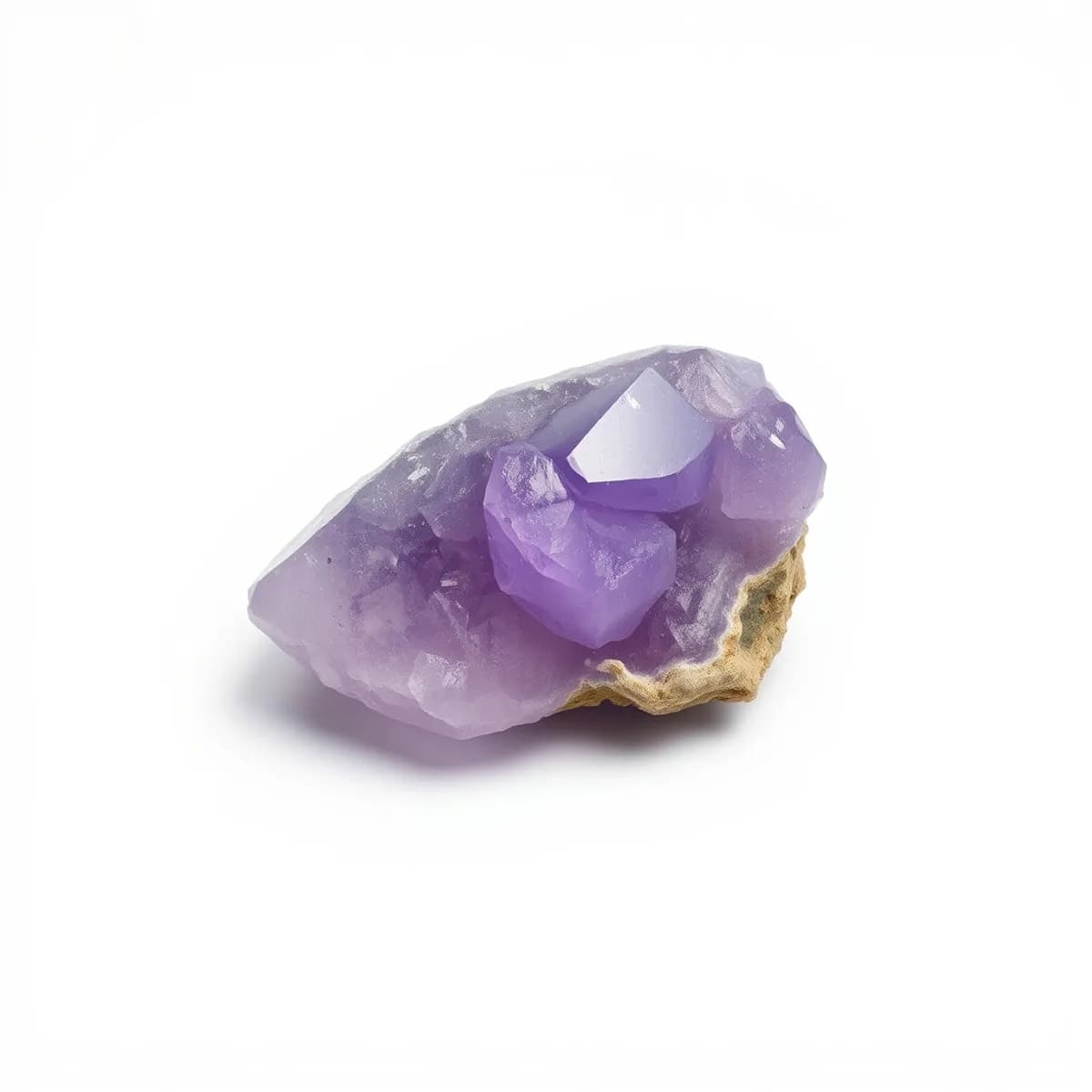
Amethyst, at Closer Range
The stone most people meet first. A slower look at where it comes from, why Brazilian and Uruguayan pieces look so different, and what sleep research can and cannot say about keeping one by the bed.
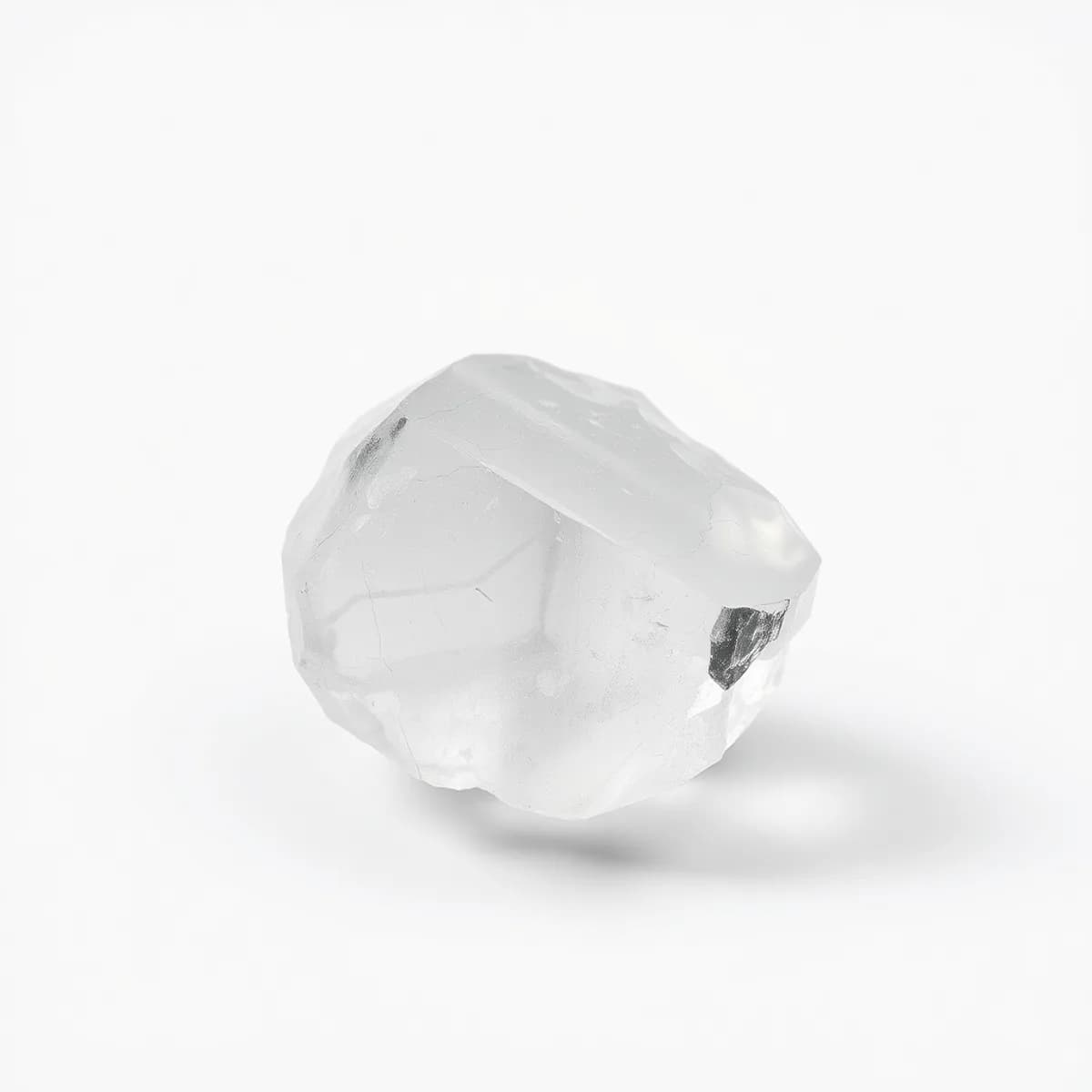
Clear Quartz, the One That Does a Bit of Everything
Called the master healer in tradition and used in nearly every radio and watch in the twentieth century. A look at what clear quartz actually is, how it earned its reputation, and why it gets recommended for almost everything.
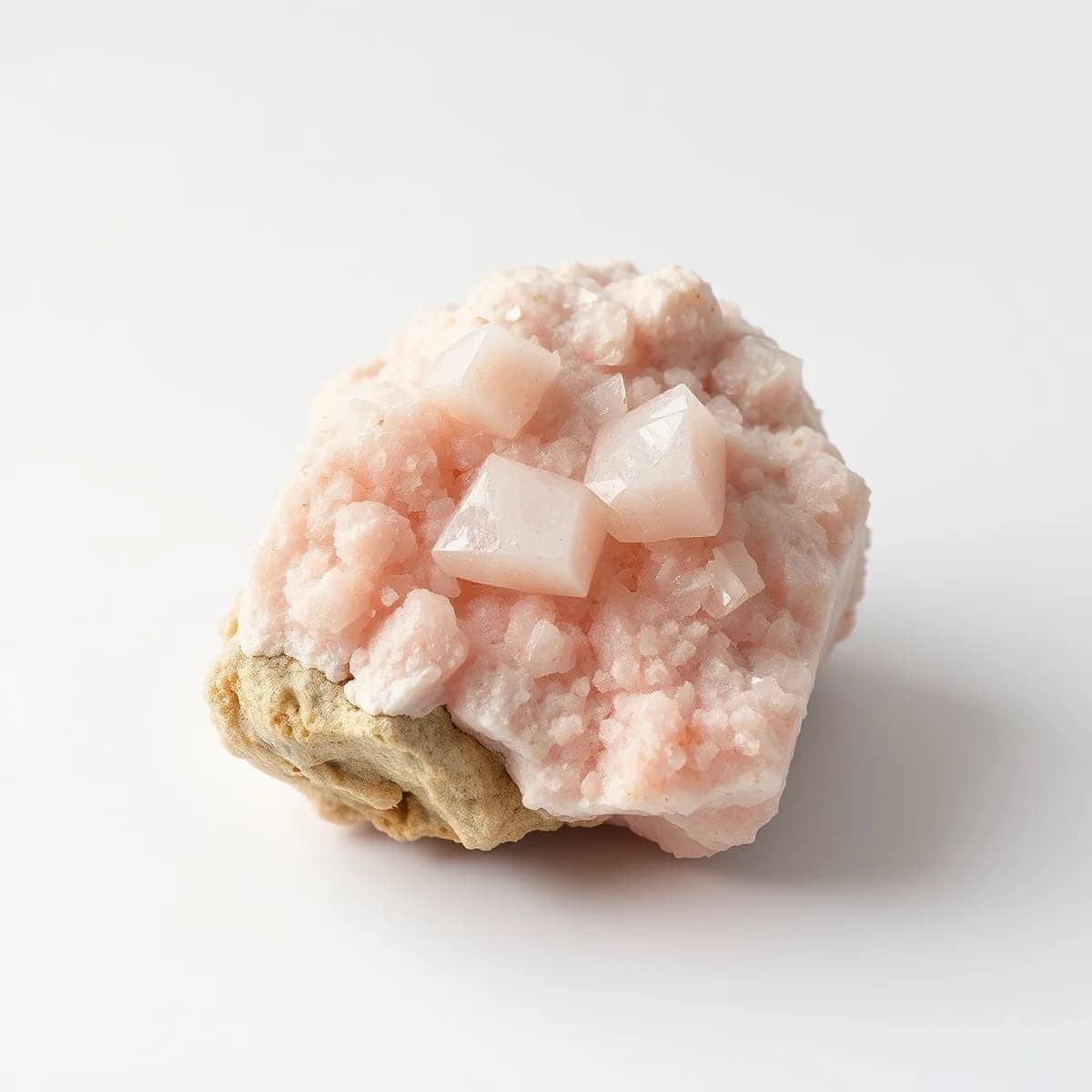
Rose Quartz, Honestly
Most of what gets written about rose quartz is a bit breathless. Here is a quieter guide, with the geology, the tradition, and a few honest notes on what crystal skincare can and cannot do.
Sit with us on Sundays.
One quiet letter every week. New writing, a crystal to consider, and whatever we have been thinking about. No tracking pixels, no affiliate noise.
By subscribing you agree to receive weekly emails from AU Crystals. Unsubscribe anytime. See our privacy note.