
Hematite, the Heavy One
Iron oxide with a mirror shine and a weight you feel. The cosmetics and pigment history, why it has been associated with grounding for millennia, and the specific reason one modern claim about it is physics fiction.
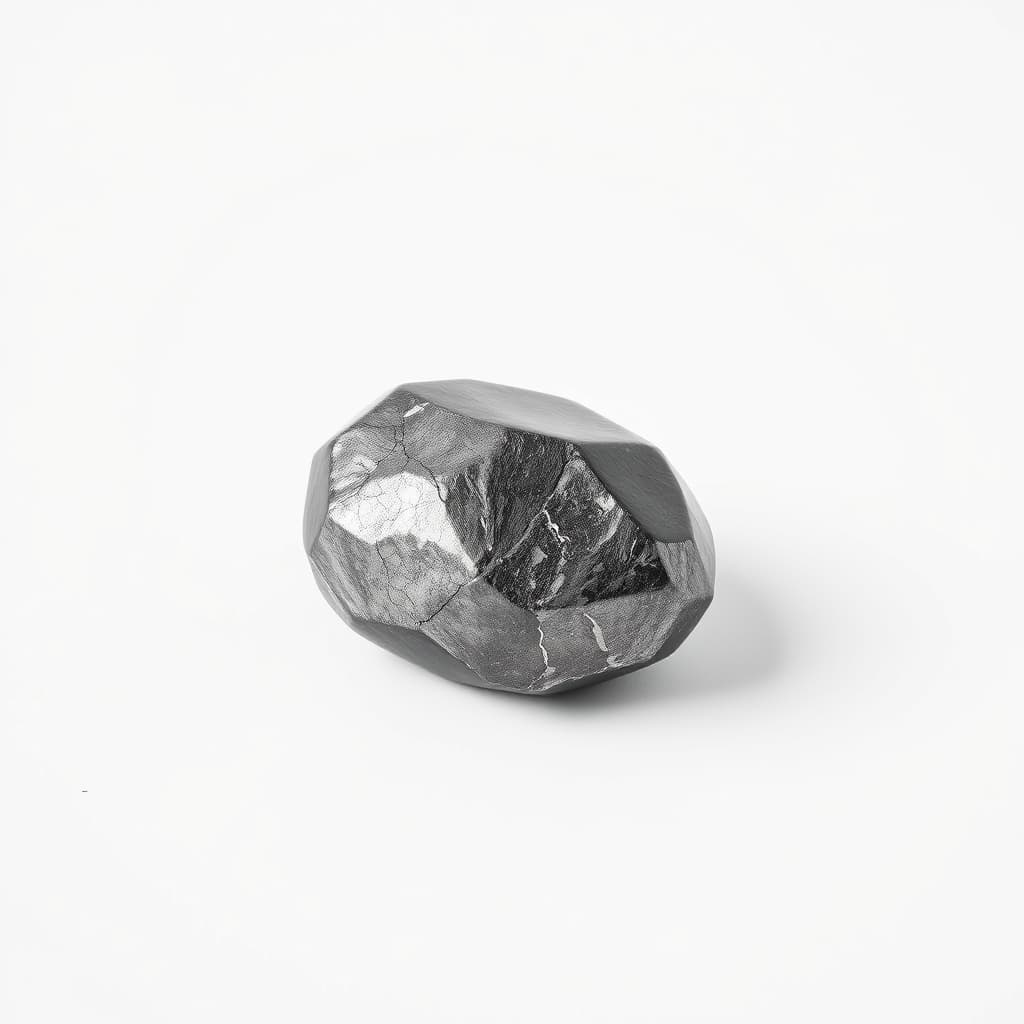
At a glance.
Quick read- ChakraRoot (Muladhara)
- Mohs hardness5.5 to 6.5
- Mineral familyIron oxide
- OriginBrazil, United States, Morocco, worldwide
- ColourSilver grey metallic to black, red streak
- ElementEarth, Fire
- ZodiacAries, Aquarius
- Sits well withGrounding, focus during overthinking, physical presence
- Water safeShort contact only, can rust
- Sun safeYes
- RarityCommon
Hematite is the heaviest common stone in any crystal shop. Pick up a small tumbled piece and your hand drops a little because your brain expected quartz-weight and got iron. That weight is the whole experience of hematite. The tradition, the recommendations, the modern associations, all trace back to the simple fact that this stone is surprisingly present in your palm.
What hematite actually is
Hematite is iron(III) oxide, Fe2O3. It is one of the main iron ores mined industrially, which means the stone in your pocket is the same material that becomes steel. It forms in sedimentary and hydrothermal environments worldwide, with famous deposits in Brazil, Morocco, Minnesota, and on the surface of Mars (the red of the planet is largely hematite dust).
The classic identification test is the streak. Rub hematite against an unglazed ceramic tile and the trail is deep red, regardless of the stone's surface colour. This property is why the ancient name comes from haimatites, meaning blood-like.
The pigment history
Before hematite was a crystal for grounding, it was paint. Powdered hematite is red ochre, the pigment used in cave paintings at Lascaux over 17,000 years ago. Egyptian tombs used it for wall decoration. Roman soldiers coloured their shields with it. When you handle a piece of hematite, you are holding the oldest continuously used pigment in human history.
This history matters. The grounding association is not arbitrary metaphysical assignment. It reflects a real continuity of humans reaching for this specific stone across cultures and millennia.
The magnetic hematite warning
This is the section most hematite guides avoid. Most "magnetic hematite" on the market today is hematine, a man-made ceramic magnet manufactured from ferrite powder and binders. It looks similar, has the grey sheen, and picks up paper clips.
Plain facts. Real natural hematite is weakly magnetic at best. If a bracelet strongly attracts magnets or snaps together with force, it is hematine, not hematite. Hematine is legal, stable, and cheap. It is not dangerous. It is also not hematite. Sellers who label it as hematite are misleading you.
If you specifically want the mineralogical stone for its tradition and weight, ask for natural hematite and verify by the red streak test.
The chakra and tradition
Hematite pairs with the root chakra (Muladhara). The heaviness, the mirror finish that reflects back, the iron itself, all align with the traditional association of this chakra with physical presence, survival, and groundedness.
In modern crystal work, hematite is specifically recommended for:
- Mental overthinking. The weight becomes a cue to land in the body.
- Difficult grief. The mirror sheen asks the holder to look.
- Public speaking anxiety. The heft in a pocket quiets the nervous system.
Living with a piece
Four approaches.
A polished tumbled stone in a pocket. The classic placement. When you notice the weight, you notice your body.
Beside a computer for focus work. The mirror finish catches the eye, interrupting doom-scroll patterns.
Held during meditation. Some traditions specifically use hematite for somatic meditation because the weight gives the attention something physical to rest on.
As a pendant against the sternum. Wearing hematite close to the body is traditional for steadying the breath.
Caring for hematite
It can rust. Iron oxidises further with water and air exposure over years. Dry after washing. Avoid salt water. The mirror finish dulls if neglected.
It is softer than quartz, around 5.5 to 6.5 on the Mohs scale. Store separately from harder stones that might scratch the polish.
Do not use ultrasonic cleaners. The vibration can worsen micro-fractures in iron-rich stones.
A few honest questions.
Is hematite magnetic?
Real hematite is weakly magnetic at most, not noticeably so. Most products labeled magnetic hematite are actually hematine, a man-made ceramic magnet. This is one of the most widespread misleading labels in the crystal market.
Why is hematite so heavy?
It is iron oxide, about five times denser than quartz. A small tumbled piece weighs surprisingly much. This heft is part of the grounding experience and is an honest identification marker.
Can hematite go in water?
Short contact is fine but hematite can rust over time with repeated water exposure. Do not soak. Dry immediately after washing. The mirror finish dulls with neglect.
Why does hematite leave a red streak?
Powder the surface and it shows red, not black. This is the classic identification test. The name comes from the Greek haimatites meaning blood-like. Ancient people ground it for red pigment long before using it decoratively.
Keep reading.
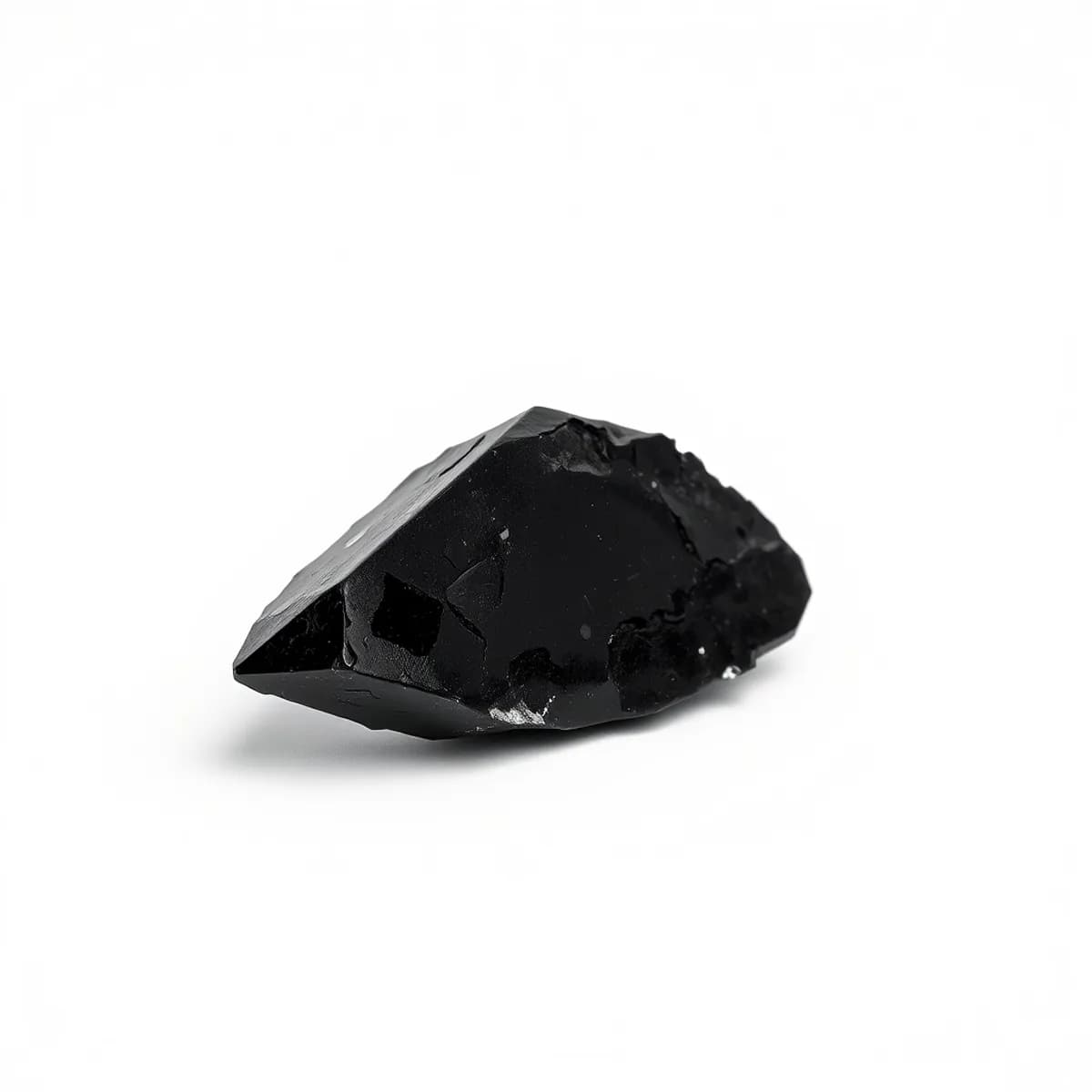
Black Tourmaline, the Stone People Ask For When Life Is Loud
The protective stone in almost every tradition that touches black stones. A look at what tourmaline actually is, why practitioners recommend it for overwhelm, and how to tell polished tourmaline from dyed obsidian.
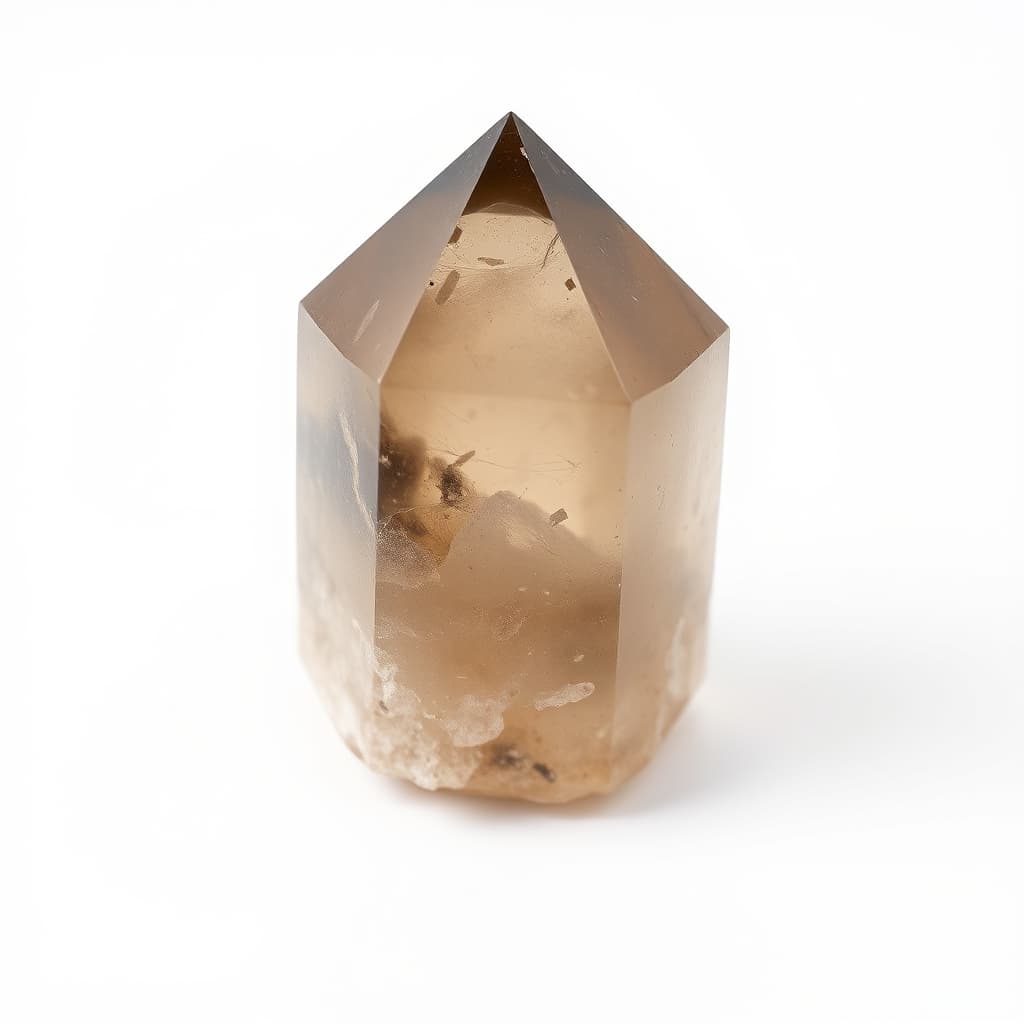
Smoky Quartz, the Quiet One
A brown grey quartz formed by natural radiation over geological time. A careful look at its real origin, why Scotland adopted it as a national stone, and the distinction between natural smoky quartz and the irradiated material that dominates the cheap end of the market.
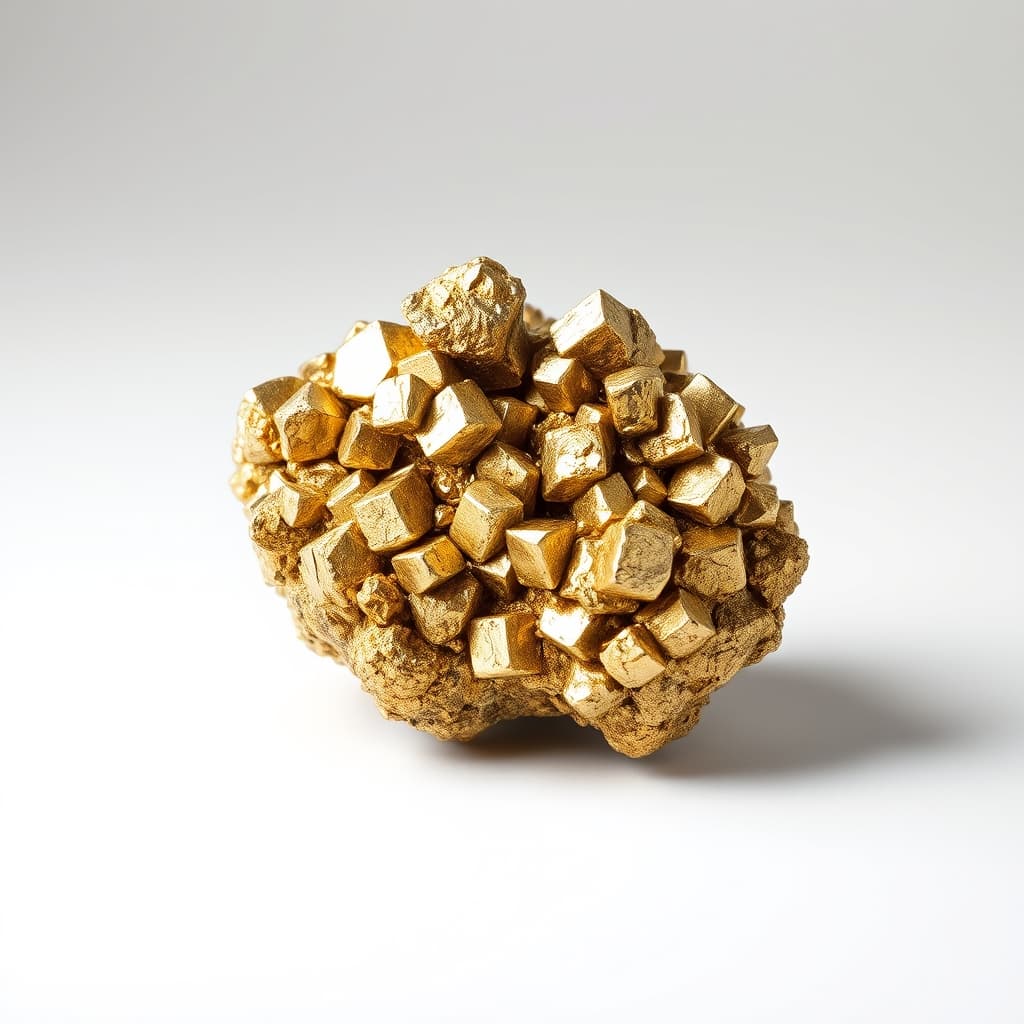
Pyrite, Fool's Gold, Quietly
Iron sulfide in natural cubes that fooled miners for centuries. The chemistry, the one medical concern nobody mentions, and why the abundance stone marketing is mostly fiction even when the stone itself is lovely.
Mentioned in
Sit with us on Sundays.
One quiet letter every week. New writing, a crystal to consider, and whatever we have been thinking about. No tracking pixels, no affiliate noise.
By subscribing you agree to receive weekly emails from AU Crystals. Unsubscribe anytime. See our privacy note.