
Amethyst, at Closer Range
The stone most people meet first. A slower look at where it comes from, why Brazilian and Uruguayan pieces look so different, and what sleep research can and cannot say about keeping one by the bed.
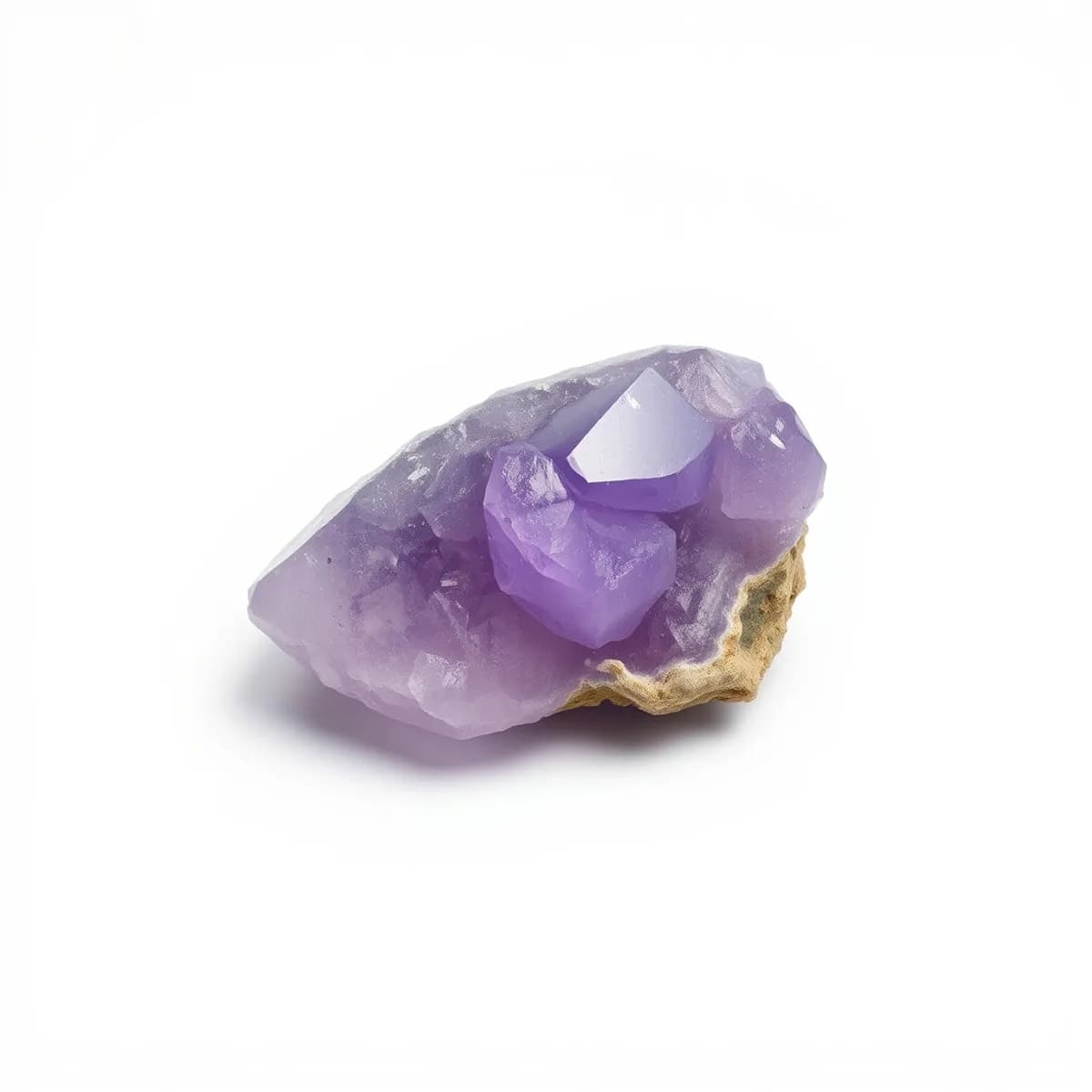
At a glance.
Quick read- ChakraThird Eye (Ajna), Crown (Sahasrara)
- Mohs hardness7
- Mineral familyQuartz
- OriginUruguay, Brazil, Zambia
- ColourPale lavender to deep violet
- ElementAir, Water
- ZodiacPisces, Virgo, Aquarius
- Sits well withSleep rituals, meditation, clear thinking
- Water safeYes
- Sun safeNo, fades toward yellow over time
- RarityCommon, Uruguayan material uncommon
Amethyst is usually the first crystal a person owns. Someone gifts you a tumbled piece. A geode slice sits on a mantel somewhere in your life. You buy one at a gift shop on holiday and keep it for fifteen years. Because it is so familiar, most writing about it flattens into marketing copy. Here is a slower look.
What amethyst is, geologically
Amethyst is a violet variety of quartz, chemically identical to the clear and rose versions at SiO₂. The purple comes from trace iron within the crystal lattice, which, when exposed to natural gamma radiation deep underground over very long stretches of time, shifts colour in ways chemists can measure but poets describe better.
It forms in vugs and pockets within volcanic rock, which is why the most beautiful amethyst specimens arrive as geodes. Water rich in silica seeps into the cavity, cools slowly, and crystals grow inward over millions of years. The hollow you see in a sliced geode is the last pocket of space before the process paused.
Where good amethyst comes from
Regional origin matters more than most buyers realize. A quick comparison, side by side.
| Region | Colour | Formation | Price tier |
|---|---|---|---|
| Brazil (Minas Gerais, Rio Grande do Sul) | Paler lavender | Large geodes, common bookends | Entry |
| Uruguay (Artigas) | Deep, saturated violet | Tight, compact crystal beds | Premium |
| Zambia | Mid tone with raspberry undertone | Mid sized clusters | Mid |
None of this is a ranking. But it explains why two pieces labeled the same stone can look wildly different, and why the price gap is real rather than a markup. If you are shopping and the colour matters to you, ask the source first.
Chakra, tradition, and what they actually mean
In the yogic system, amethyst is paired with the sixth chakra, Ajna, behind the forehead. The traditional association is with clarity of inner sight, intuition, the quieter kind of thinking. If you treat the chakras as anatomy, you will not find a gland that matches. If you treat them as a map of where attention goes when you close your eyes, the map is surprisingly useful.
Ancient Greeks carried amethyst as protection against intoxication. The word itself comes from amethystos, meaning not drunken. They carved wine cups from it and believed it kept the wearer sober. You can take this as folklore or as one of the earliest recorded attempts to associate a stone with self regulation. The theme of calm, clear minded awareness travels with amethyst across almost every culture that valued it.
A careful note. If you are struggling with sleep, anxiety, or racing thoughts in a way that disrupts daily life, please speak to a doctor or therapist. A stone can sit with you through hard nights. It is not a treatment.
Keeping one by the bed
The bedside amethyst is such a common recommendation that it deserves a careful look. The claim, stripped down, is that having amethyst nearby helps sleep.
The sleep research literature does not support any direct effect from a mineral placed in proximity to a sleeping body. What the literature does support, repeatedly, is the value of consistent pre sleep cues. A bedside object you touch as part of a ritual, whether that is an amethyst point, a lavender sachet, or a worn leather journal, can become a behavioural anchor. The brain learns that seeing or holding it signals the end of input for the day.
If you want to try it, try it honestly. Put the stone on your nightstand. When you see it, put the phone away. Take three slow breaths. That is the actual practice. The stone is the reminder, not the mechanism.
Everyday ways to use one
A few approaches that feel natural without overcomplicating.
Keep a small tumbled piece in a pocket or bag. It becomes a pause. When you reach for your phone out of boredom, reach for the stone instead once or twice a day.
Place a larger specimen somewhere you already rest your gaze. Beside the kettle. On the windowsill above the sink. Next to your reading chair. The stone becomes a visual anchor for the spaces in your day that already exist.
Use it during meditation. Simply hold it while you sit. Notice the weight and temperature change as your hands warm it.
Wear it. A pendant keeps the stone close without requiring any practice. For many people, this is the entire relationship they need with it.
Caring for amethyst
Three things will damage a piece faster than anything else.
Direct sunlight is the biggest one. The same radiation process that deepened the colour over geological time can be reversed by a few seasons of window light. Keep prized pieces out of south facing glass.
Heat also dulls the colour. Do not clean amethyst in hot water, and do not leave it near radiators.
Sharp impact chips the terminations. Amethyst is a 7 on the Mohs scale, hard enough for most wear but brittle at the tips. A drop onto tile from countertop height will often break a point.
Beyond those, it asks very little. A wipe with a soft cloth is plenty.
Spotting dyed or synthetic pieces
Three tells, in order of usefulness.
Look for colour zoning. Natural amethyst rarely shows a perfectly even purple. Bands, lighter cores, or deeper tips are the norm. If the entire stone is saturated uniformly, be suspicious.
Check the terminations. Real crystal points taper naturally with small imperfections and internal fractures catching the light. Synthetic hydrothermal quartz looks almost too clean.
Ask about heat treatment. Some amethyst is heat treated to enhance colour, which is standard in the trade and not inherently bad, but a seller who calls it untreated while charging a premium should be able to show provenance.
Low priced amethyst is rarely a scam. It is usually just paler Brazilian stone being sold at its actual market value. The scams happen higher up, where a dyed or synthetic piece is passed as a premium Uruguayan specimen. At that tier, buy from dealers with references.
A quiet note to end
Amethyst is one of those stones that does not need a practice to earn its place in your life. Most people who love it simply keep one around. Read the geology if you want. Try the bedside ritual if it appeals. Or do neither, and let the stone just be what it is, which is already plenty.
A few honest questions.
Does amethyst fade in sunlight?
Yes. Long exposure to direct sun gradually bleaches amethyst toward pale yellow or clear quartz. A shaded shelf is fine. A sunny car dashboard will slowly ruin a good piece over a season.
Is there actually a sleep benefit to keeping amethyst by the bed?
No clinical evidence supports direct effects from the stone. What does help is the ritual of slowing down before sleep. If amethyst becomes a cue to put your phone away and breathe, that cue is doing the real work.
How can I tell if my amethyst is dyed or synthetic?
Look for natural colour zoning. Real amethyst almost always has uneven purple with lighter and darker bands, often concentrated at the tips. Perfectly uniform, bright purple across the whole stone is a warning sign. A jeweler with a loupe can confirm in a minute.
What is the difference between Brazilian and Uruguayan amethyst?
Brazilian stone tends to be paler, with lighter lavender tones and larger geode formations. Uruguayan amethyst is deeper, more saturated, and generally commands higher prices. Neither is better in an absolute sense, but they photograph very differently.
Keep reading.
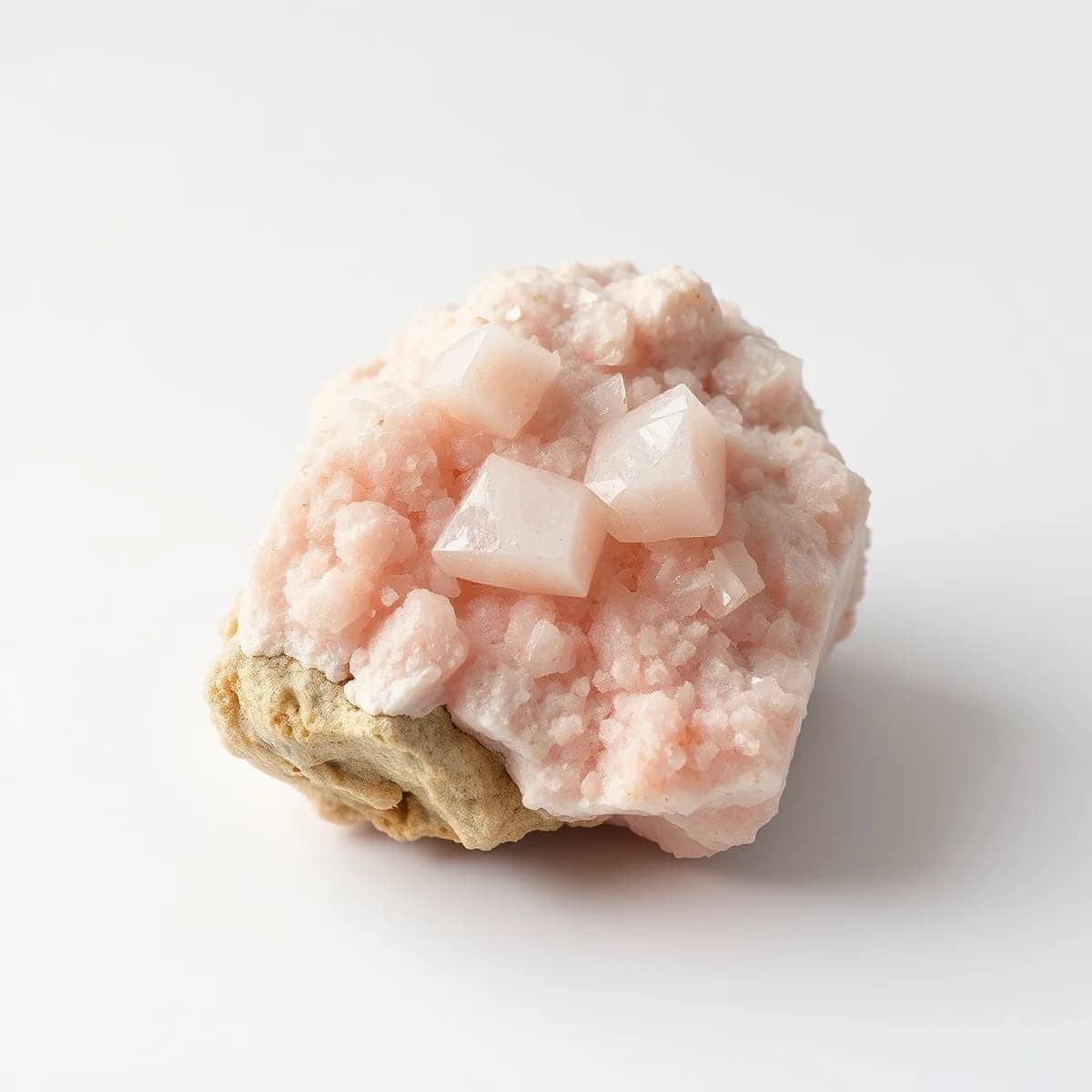
Rose Quartz, Honestly
Most of what gets written about rose quartz is a bit breathless. Here is a quieter guide, with the geology, the tradition, and a few honest notes on what crystal skincare can and cannot do.
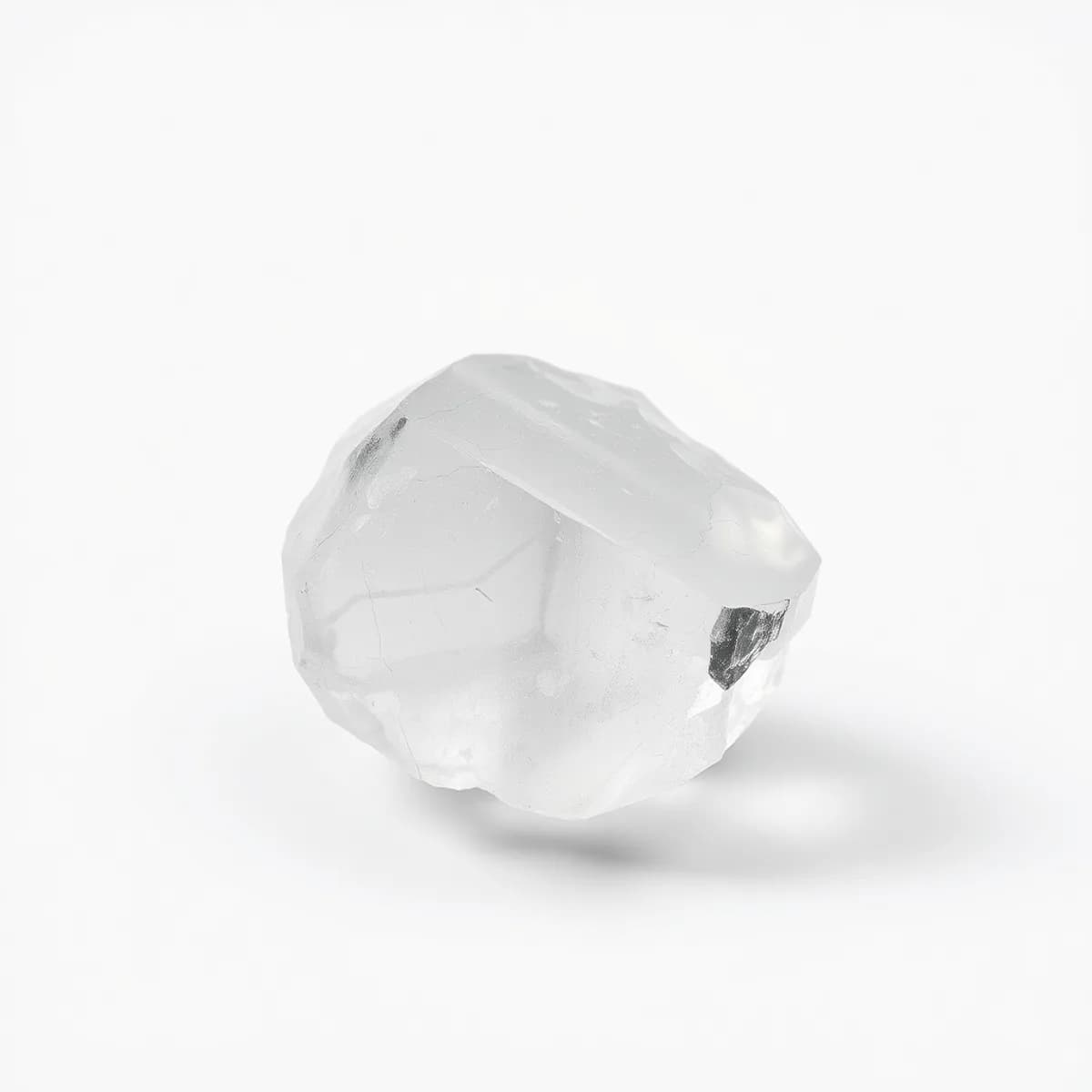
Clear Quartz, the One That Does a Bit of Everything
Called the master healer in tradition and used in nearly every radio and watch in the twentieth century. A look at what clear quartz actually is, how it earned its reputation, and why it gets recommended for almost everything.
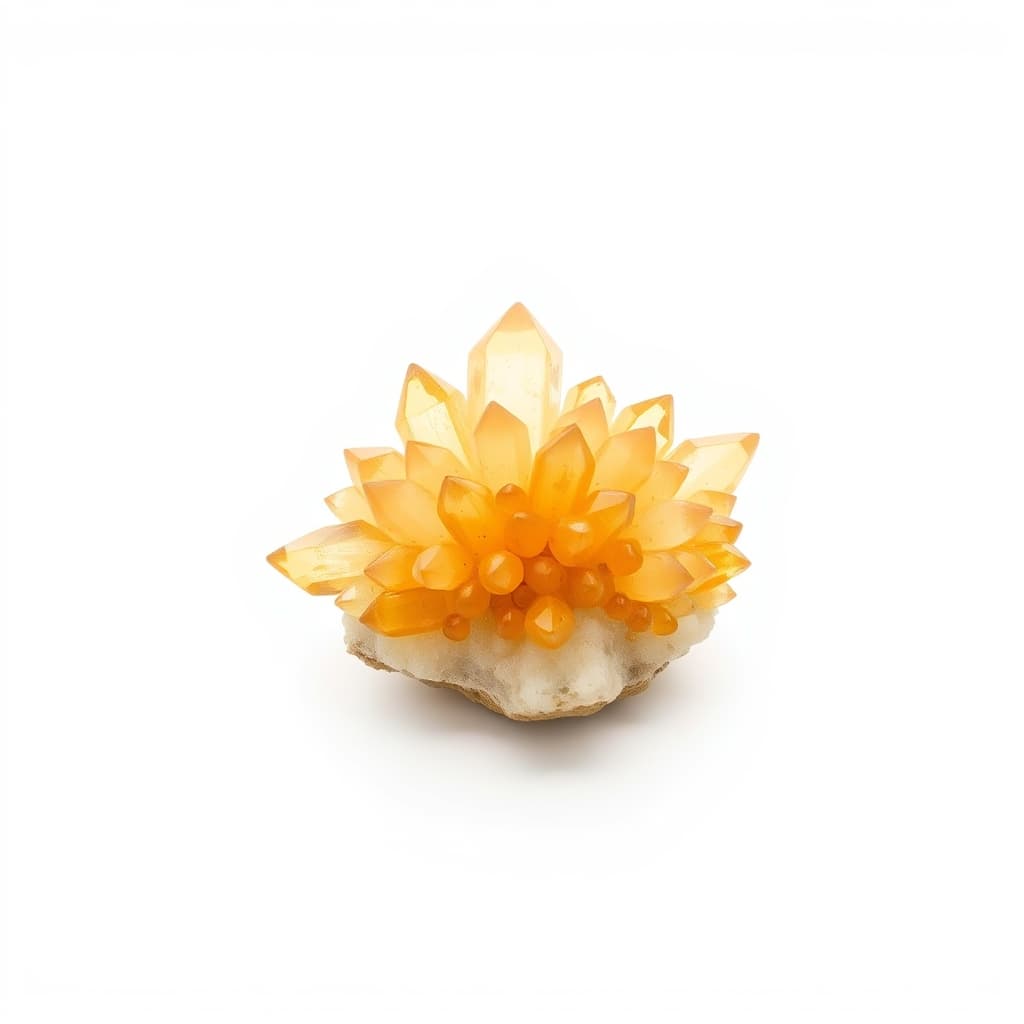
Citrine, and the Quiet Trouble With Most of What You Buy
Real citrine is one of the rarer quartz varieties. Most of what sells under the name is heat treated amethyst. Here is how to tell the difference, why it matters, and what the stone traditionally stood for before any of that got complicated.
Sit with us on Sundays.
One quiet letter every week. New writing, a crystal to consider, and whatever we have been thinking about. No tracking pixels, no affiliate noise.
By subscribing you agree to receive weekly emails from AU Crystals. Unsubscribe anytime. See our privacy note.