
Aquamarine, the Stone Sailors Carried
Pale blue beryl, the same mineral family as emerald, carved into amulets by sailors who needed the sea to stay gentle. The mineralogy, the long maritime tradition, and why it reads as one of the calmest stones in daily wear.
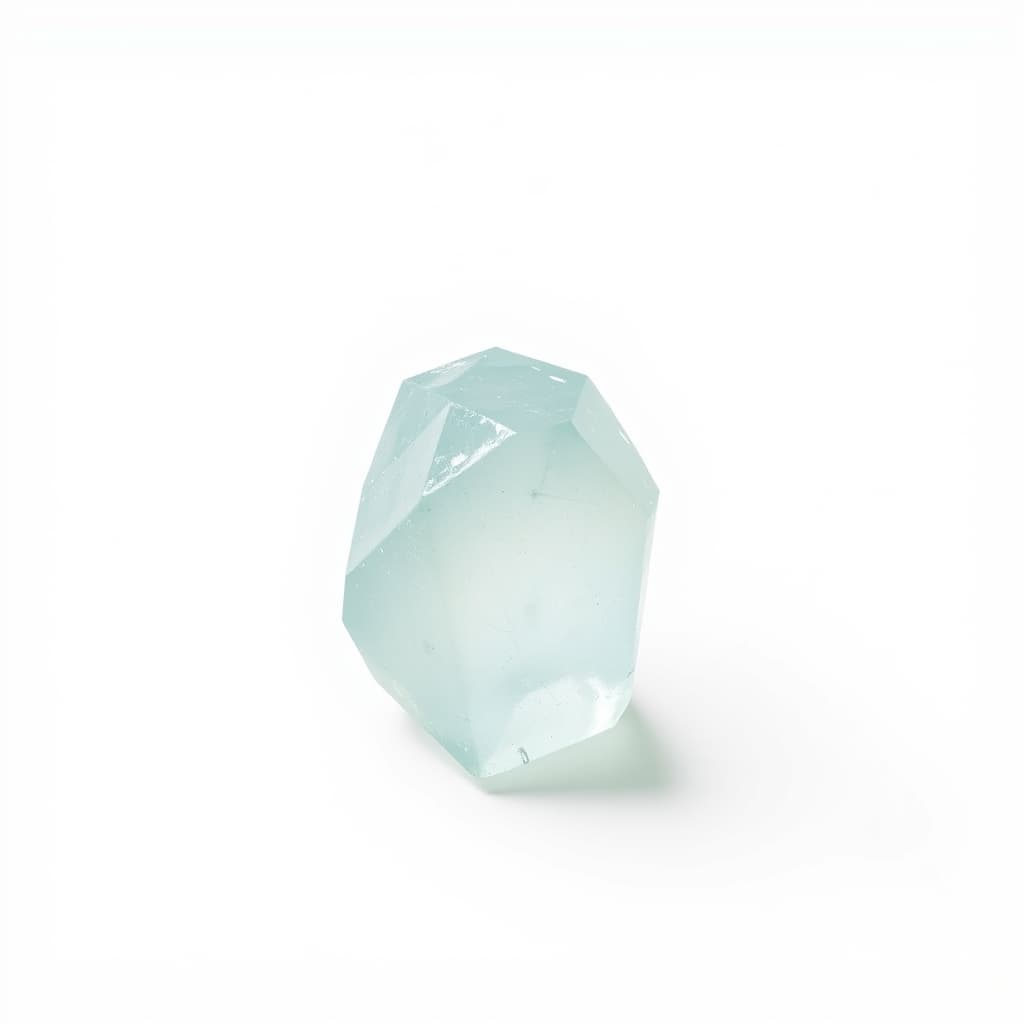
At a glance.
Quick read- ChakraThroat (Vishuddha)
- Mohs hardness7.5 to 8
- Mineral familyBeryl
- OriginBrazil, Madagascar, Pakistan, Mozambique
- ColourPale blue to blue-green
- ElementWater
- ZodiacPisces, Aquarius, Aries
- Sits well withCalm, honest speech, steady courage
- Water safeYes
- Sun safeYes
- RarityCommon, top-grade is uncommon
Aquamarine is one of the few stones whose ancient name describes exactly what it looks like. Aqua marina, the Latin for sea water. Hold a polished piece against morning light and it shows the specific pale blue of a calm shallow coast at midday. The stone has been mistaken for nothing else in the nearly two thousand years since Pliny the Elder described it in his Natural History.
What aquamarine actually is
Aquamarine is a variety of beryl, Be3Al2Si6O18. Same mineral family as emerald (green, from chromium or vanadium), morganite (pink, from manganese), and heliodor (yellow). The pale blue comes from trace iron substituting into the beryl structure. Iron in one state produces the sky-blue, another state produces a muddier green that heat treatment removes.
The famous Santa Maria de Itabira deposit in Brazil produces the deepest, most saturated natural blue aquamarine. Santa Maria stones are collectible. Most aquamarine on the open market is lighter, paler, and perfectly lovely.
The maritime tradition
Aquamarine's association with sea travel is older than most written records. Phoenician sailors carved amulets. Roman captains wore pieces on voyages. Medieval Mediterranean traders gifted rings to crew before long passages. The pattern is so consistent across unrelated cultures that the association is essentially universal for any civilization with aquamarine access and blue water.
The ritual logic is simple. The stone looks like the calm sea a sailor hoped for. Carrying it was a focusing practice, a way to hold the intention of safe passage in a physical object.
Chakra and modern framing
Aquamarine pairs with the throat chakra, similar to lapis lazuli and sodalite. The association emphasizes honest speech and clear communication, particularly during emotionally loaded conversations.
Modern practitioners often recommend aquamarine for:
- Hard conversations where words matter
- Grief that needs expression but not drama
- Transitional periods marked by uncertainty, travel, or change
A quiet truth. If you are about to have a conversation that scares you, carrying aquamarine is a ritual of pausing before speaking. That pause is the practice. The stone is the reminder.
Living with a piece
Four approaches.
As a pendant near the throat. The classical placement. The pale blue sits against most skin tones.
In a pocket during travel. The maritime tradition carries into modern trips. Flights, relocations, long drives.
On a desk during difficult writing. Letters of resignation, condolence notes, anything where language needs care.
Paired with amethyst for meditation. A common traditional pairing for quiet mental work.
Caring for aquamarine
Durable. 7.5 to 8 on the Mohs scale, harder than most common crystals. Water safe, sun stable. Pieces with visible inclusions should avoid ultrasonic cleaning.
A few honest questions.
What is aquamarine actually?
A pale blue to blue-green variety of beryl, the same mineral family as emerald and morganite. The blue colour comes from trace iron within the beryl lattice.
Why is aquamarine associated with sailors?
Old Mediterranean tradition held that aquamarine calmed rough seas and kept sailors safe. Amulets were carved and carried on voyages. The association is ancient and persistent across many sea-faring cultures.
Is all aquamarine natural?
Most is natural, but many commercial stones are heat-treated to remove a yellow undertone and deepen the blue. The treatment is stable, standard in the trade, and does not need to be disclosed at entry levels. Natural deep-blue aquamarine from specific deposits (Santa Maria, Brazil) commands premium prices.
Is aquamarine safe in water?
Yes. Beryl is hard (7.5 to 8) and handles water well. Avoid ultrasonic cleaning on stones with visible inclusions.
Keep reading.
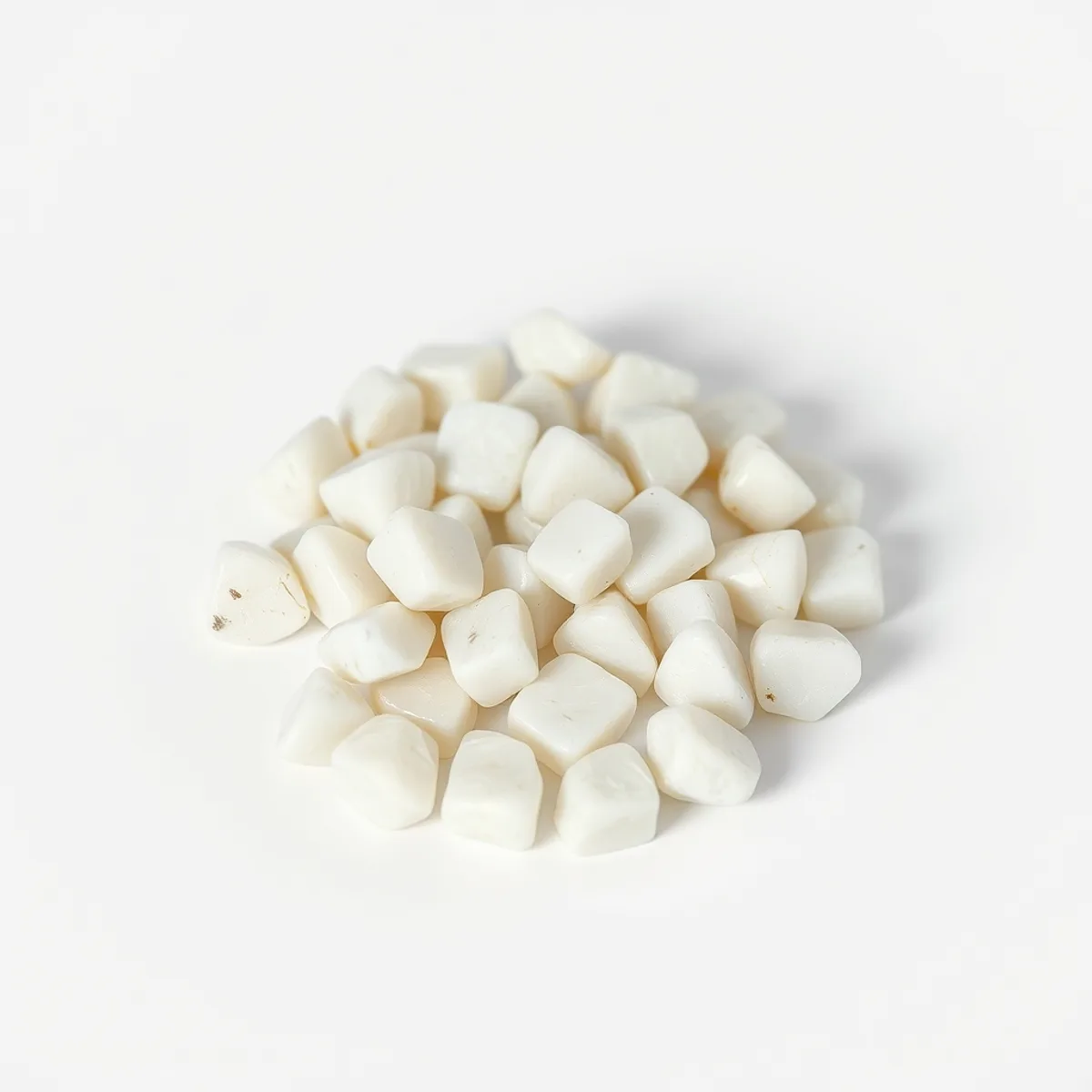
Moonstone, and the Soft Kind of Strength
A stone that glows from the inside in the right light. Where adularescence comes from, why rainbow and blue moonstone are different creatures, and the long tradition of carrying one during change.
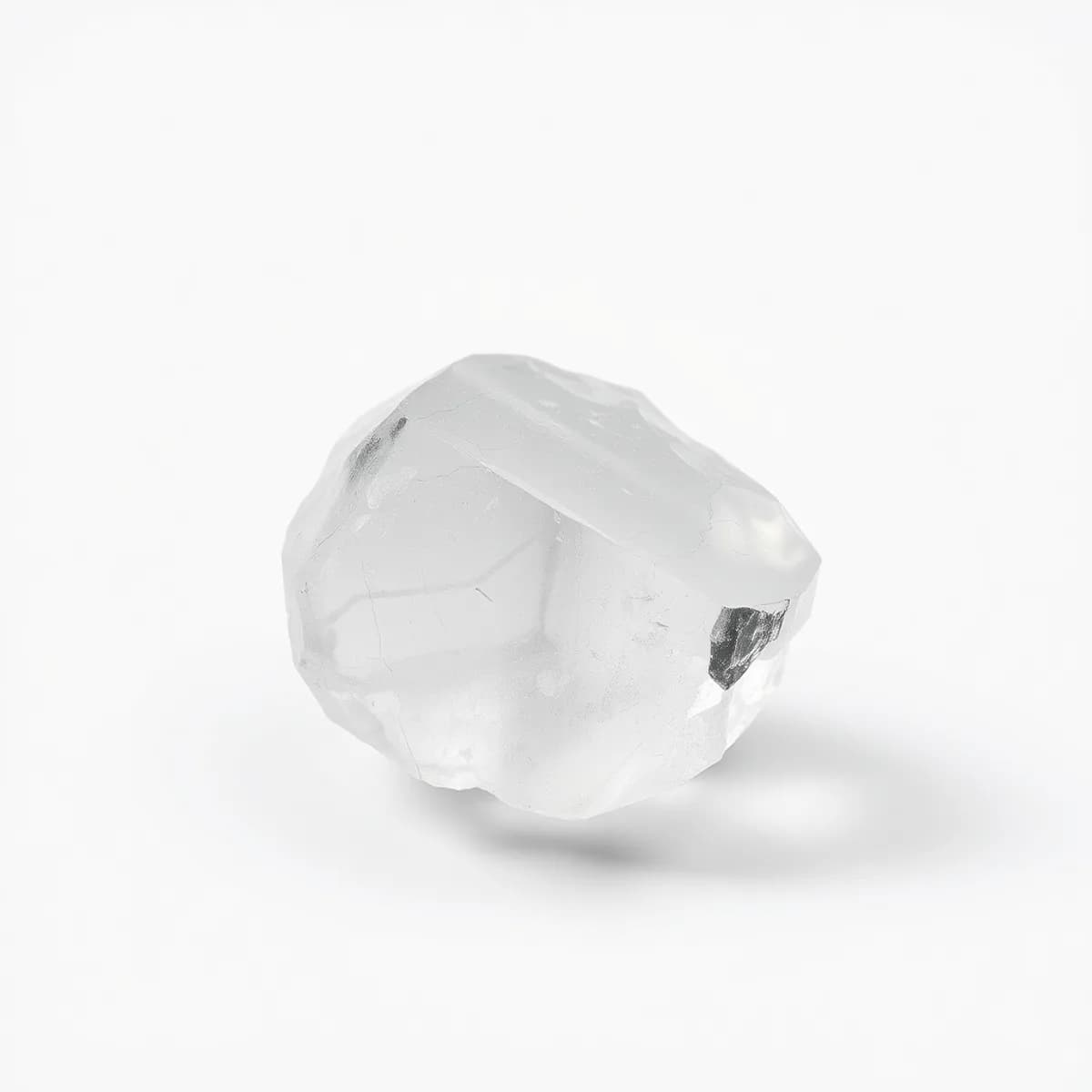
Clear Quartz, the One That Does a Bit of Everything
Called the master healer in tradition and used in nearly every radio and watch in the twentieth century. A look at what clear quartz actually is, how it earned its reputation, and why it gets recommended for almost everything.
Crystals for Every Zodiac Sign, the Honest Master Guide
The full twelve signs, with two or three carefully considered crystal pairings each, drawn from tradition rather than marketing. How the zodiac actually shapes these recommendations, and which stones consistently show up across sources.
Mentioned in
Sit with us on Sundays.
One quiet letter every week. New writing, a crystal to consider, and whatever we have been thinking about. No tracking pixels, no affiliate noise.
By subscribing you agree to receive weekly emails from AU Crystals. Unsubscribe anytime. See our privacy note.