
Crystals for Travel, the Oldest Protection Tradition
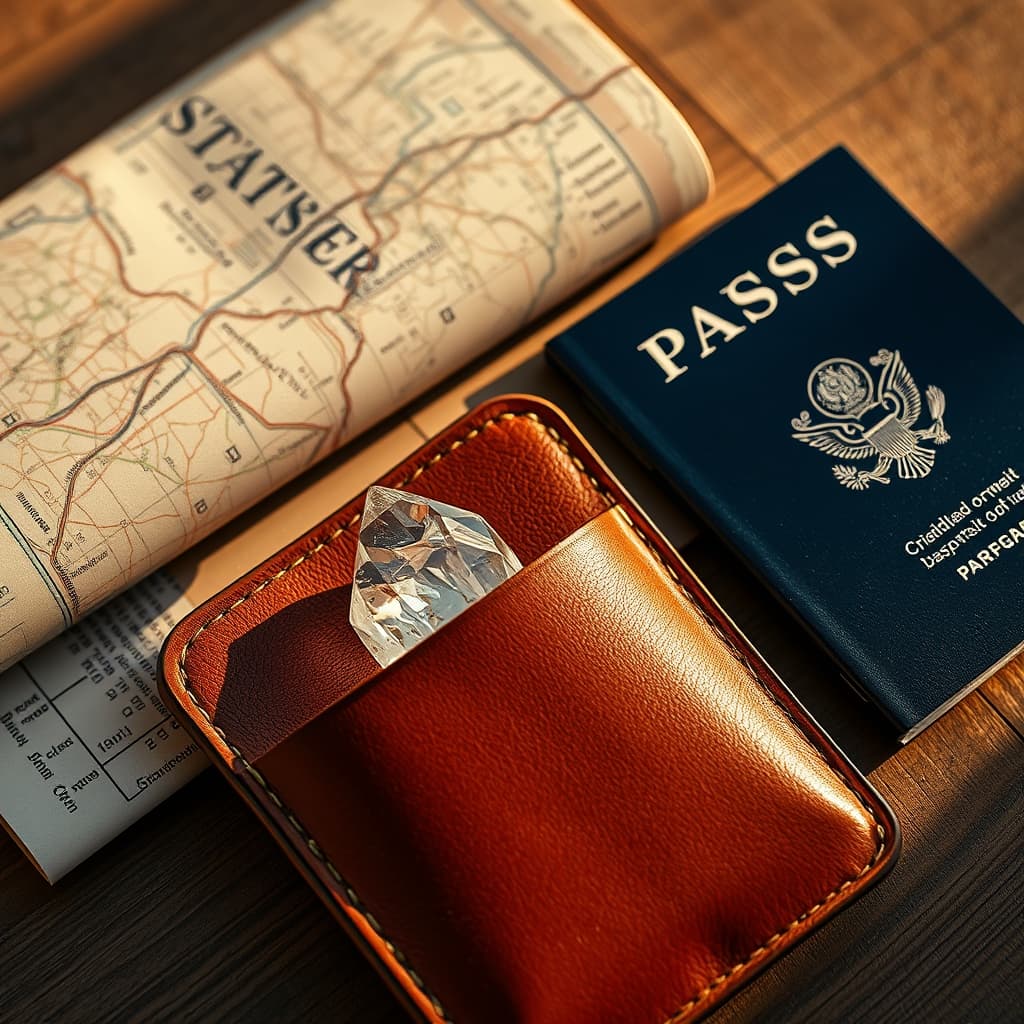
Carrying a stone on a journey is one of the oldest continuous human practices. From Phoenician sailors to medieval pilgrims to modern long-haul travellers, a small stone in a bag has marked thousands of years of passage.
At a glance.
Quick read- ChakraRoot (Muladhara), Throat (Vishuddha)
- Mohs hardnessVaries
- Mineral familyLifestyle pairing
- OriginUniversal traveler tradition
- ColourBlue, black, warm earth
- ElementWater, Earth
- ZodiacSagittarius particularly
- Sits well withLong flights, relocations, pilgrimage
- Water safeDepends on stone
- Sun safeDepends on stone
- RarityWidely available
Carrying a stone on a journey is one of the oldest continuous traditions in human life. Phoenician sailors carved aquamarine amulets for sea passage. Tibetan monks kept turquoise on their persons on pilgrimage. Medieval Christian travellers carried small relics. The tradition predates nearly every modern religion and every kind of travel.
The stones with real travel tradition
Turquoise is the most historically consistent travel stone across cultures. Persian, Navajo, Tibetan, European traditions all specifically link it to journey protection.
Aquamarine for water travel. Literally named sea water. Traditional for sailors and anyone crossing seas.
Black tourmaline for the unsettled feeling of transition. Particularly good for long-haul flights and extended relocation.
Moonstone for travellers who know they return changed. The classical pilgrim companion.
How to actually pack them
A small tumbled stone fits in any pocket or travel pouch. Keep it with the same few essentials you always travel with, so you notice it.
On the day of travel:
- Hold the stone briefly before leaving
- Touch it at security if you are nervous
- Touch it again when you arrive
At a new destination:
- Place it on the windowsill of where you are staying
- Pick it up again when leaving
That simple sequence of physical cues builds what anthropologists call threshold ritual. You are marking the passage with a gesture, which is the whole point of a travel stone.
Buying a crystal at your destination
This is the most rewarding travel-crystal practice. Buy a small stone native to the place you visit. A specimen from the region becomes a tangible memory of the trip in a way a fridge magnet never does.
Good places to look: local mineralogy shops, museum gift shops in mining regions, small markets in geological areas. Avoid airport souvenir shops, which mostly sell imported stock.
What to skip
Elaborate travel crystal kits. One stone is enough.
Expecting the stone to literally protect you. Travel insurance handles that. The stone is cultural ritual.
Bringing fragile stones (selenite, malachite) in unprotected bags. They will chip.
A closing note
A small stone in your travel pouch is thousands of years of human practice. Whether you take the protection tradition seriously or lightly, the gesture of marking a journey with a physical object is one of the oldest ways to travel well.
A few honest questions.
Is it safe to pack crystals in carry-on luggage?
Yes for all common stones. Crystals are not restricted items. Smaller tumbled stones pass security without trouble. Large clusters may get inspected but are allowed.
Which crystal is most traditionally linked to travel?
Turquoise, across Persian, Native American, Tibetan, and European traditions. Specifically carried for travel protection.
Should I buy local crystals at my destination?
This is one of the most rewarding crystal practices. A stone from a place you visited carries the place in a way a mass-produced souvenir never does.
Keep reading.
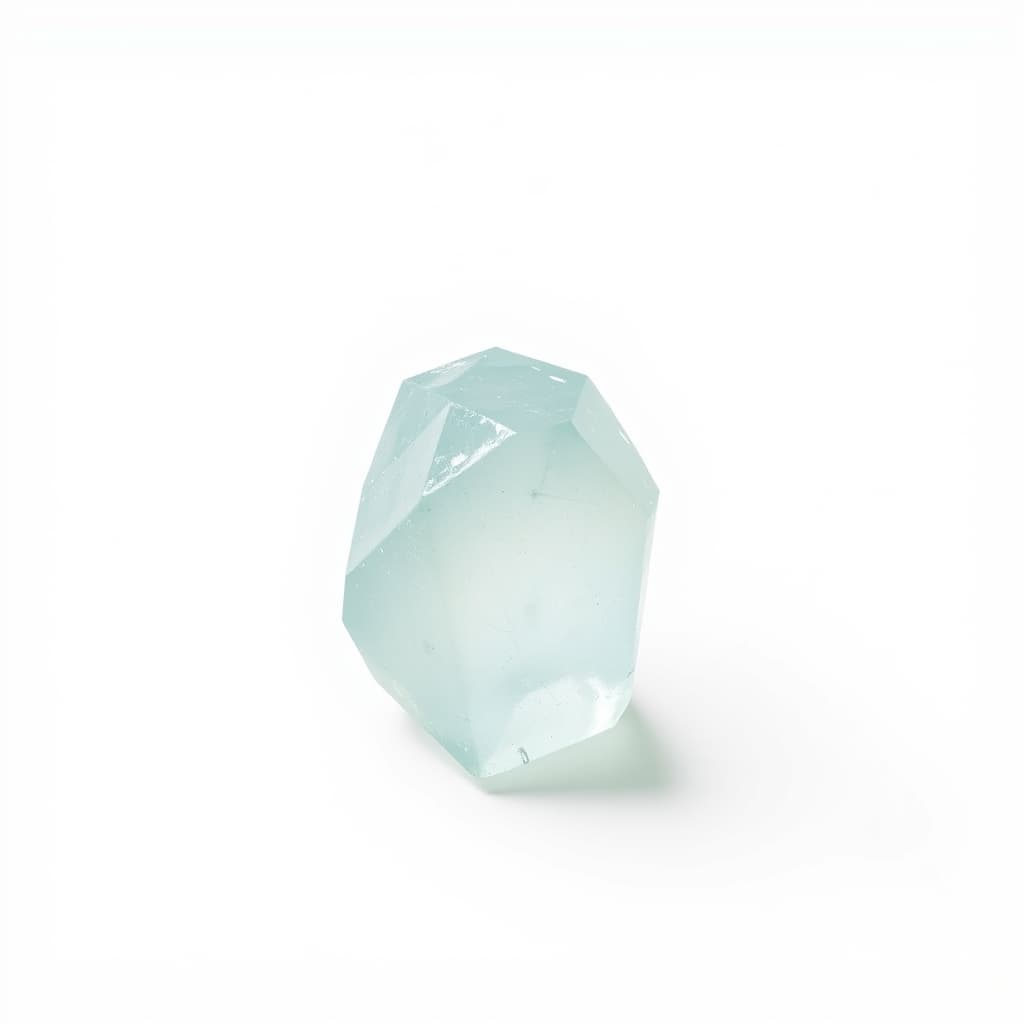
Aquamarine, the Stone Sailors Carried
Pale blue beryl, the same mineral family as emerald, carved into amulets by sailors who needed the sea to stay gentle. The mineralogy, the long maritime tradition, and why it reads as one of the calmest stones in daily wear.
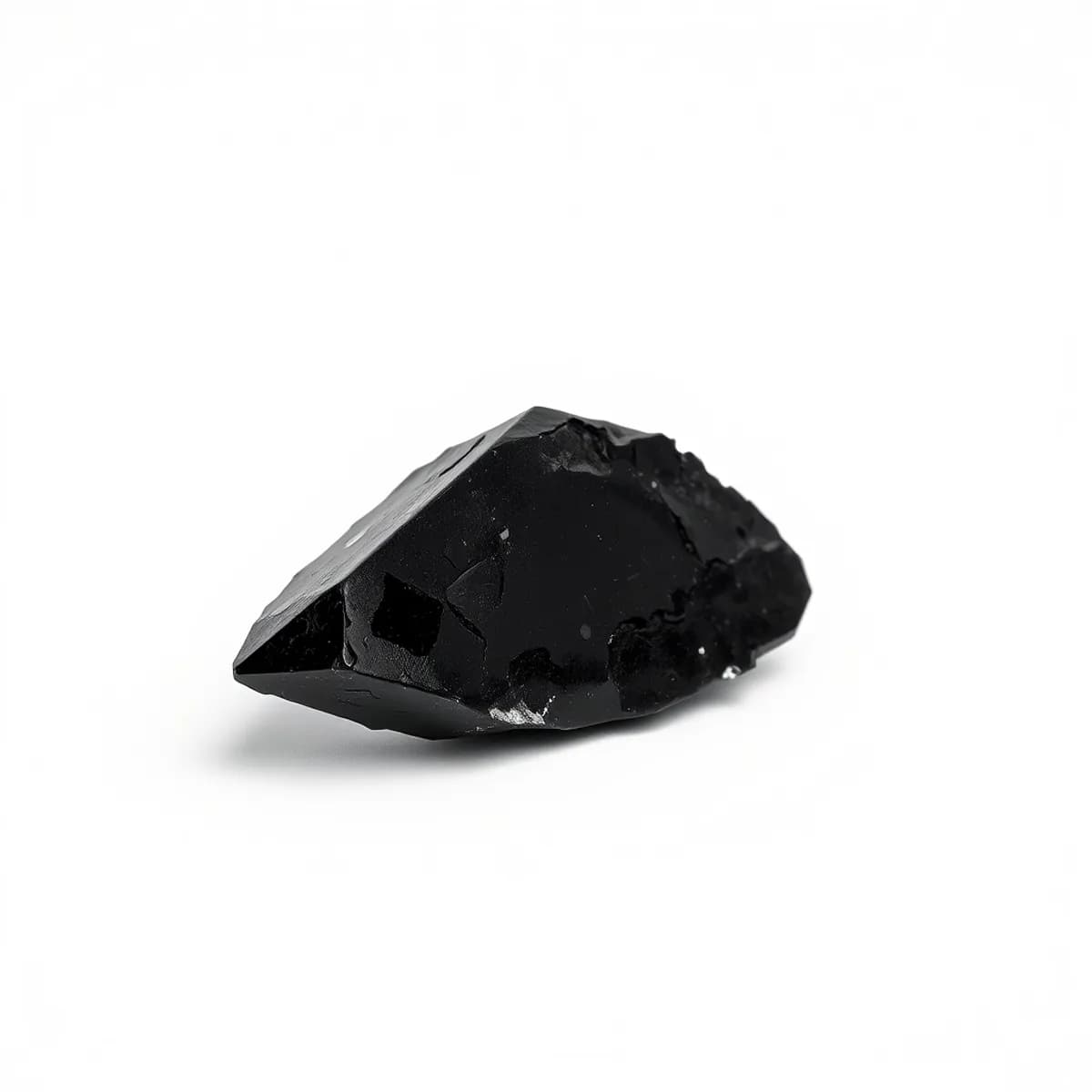
Black Tourmaline, the Stone People Ask For When Life Is Loud
The protective stone in almost every tradition that touches black stones. A look at what tourmaline actually is, why practitioners recommend it for overwhelm, and how to tell polished tourmaline from dyed obsidian.
Crystals for Grief, the Quietest Companion
A stone cannot fix grief. A stone in a pocket can accompany it. Here is what the tradition actually recommends for the long hard days, and why physical objects often help when words do not.
Sit with us on Sundays.
One quiet letter every week. New writing, a crystal to consider, and whatever we have been thinking about. No tracking pixels, no affiliate noise.
By subscribing you agree to receive weekly emails from AU Crystals. Unsubscribe anytime. See our privacy note.