
Sodalite, the Voice Stone
A deep blue sodium mineral often confused with lapis lazuli. Where it actually comes from, why it has been associated with clear speech, and how to tell it apart from the pricier stone it imitates.
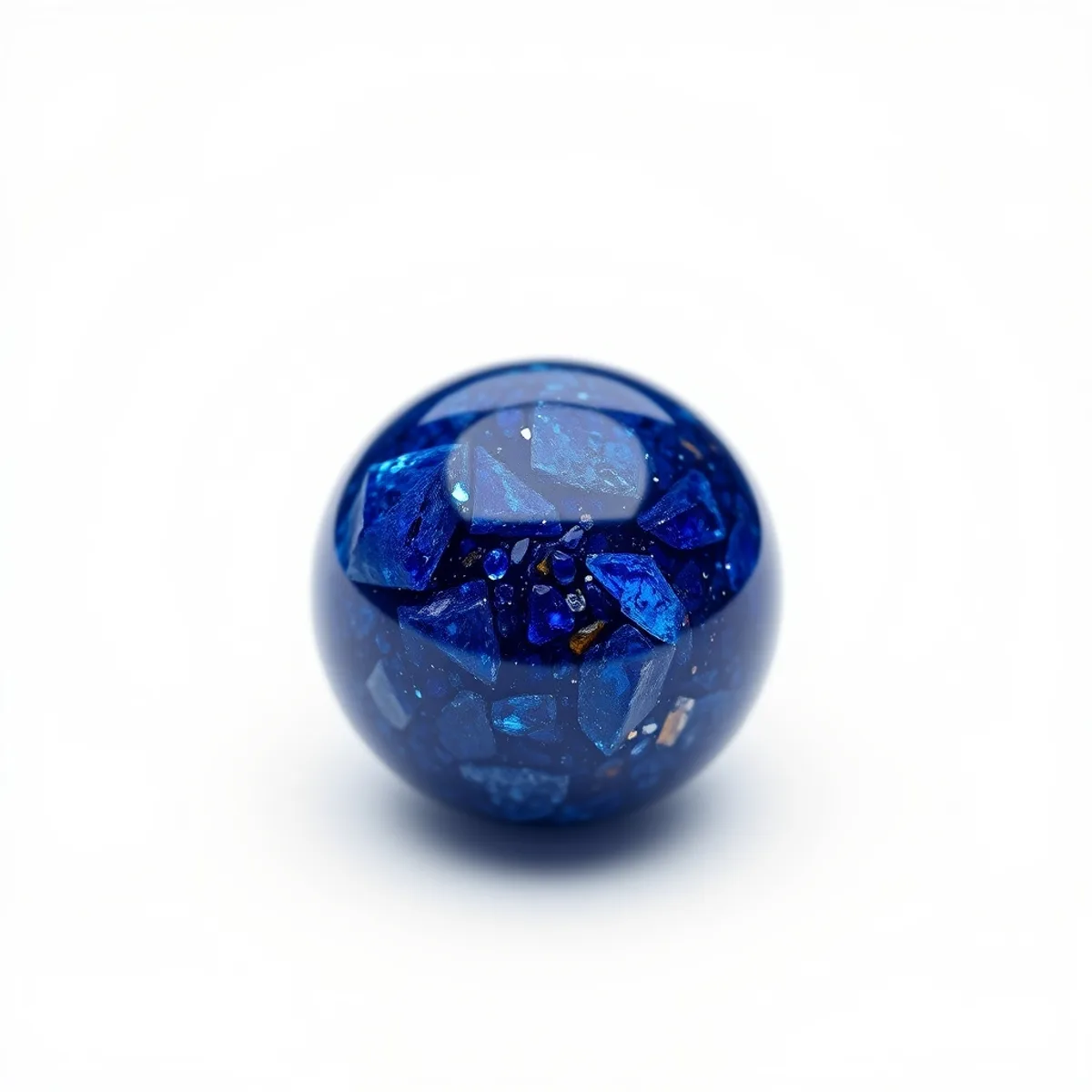
At a glance.
Quick read- ChakraThroat (Vishuddha), Third Eye (Ajna)
- Mohs hardness5.5 to 6
- Mineral familySodalite group
- OriginCanada, Brazil, Namibia, India
- ColourDeep blue with white calcite veining
- ElementWater
- ZodiacSagittarius
- Sits well withWriting, clear speech, steady thinking
- Water safeShort contact only
- Sun safeYes
- RarityCommon
Sodalite is the stone people buy when they want deep blue without paying lapis lazuli prices. That framing does it a small disservice. Sodalite is its own mineral with its own tradition, and the fact that it resembles lapis is genealogical coincidence rather than substitution.
What sodalite actually is
Sodalite is a sodium aluminium silicate chloride, formula Na8(Al6Si6O24)Cl2. It forms in igneous rocks, typically in alkaline nepheline syenite deposits. Commercial sources include Brazil, Canada's Ontario quarries, Namibia, and parts of India.
The colour comes from the mineral's own structure, specifically from trapped chloride and sulphur ions. The characteristic white streaks running through polished pieces are calcite veins, not impurities to be avoided but part of the stone's character.
Sodalite versus lapis lazuli
The most common buyer confusion, side by side.
| Sodalite | Lapis lazuli | |
|---|---|---|
| Mineral type | Single mineral | Rock, 3+ minerals combined |
| Blue tone | Medium to deep, slightly grey undertone | Deeper royal blue, warmer |
| Flecks | No gold pyrite | Gold pyrite is typical |
| Veining | White calcite streaks | Grey to white calcite patches |
| Price | Entry | Premium |
| Mohs hardness | 5.5 to 6 | 5 to 6 |
If a deep blue stone has no gold flecks and costs suspiciously little, it is sodalite. If it has distinct pyrite sparkles, it is lapis. Both are lovely. Know what you are holding.
The tradition
Sodalite was only formally identified in the early 1800s, much later than many crystals with long traditions behind them. As a result, its symbolic associations are almost entirely modern. Writers in the 1970s and 1980s onward paired it with the throat chakra and clear communication, partly because of its visual similarity to lapis and partly because of the calm quality the colour carries.
Modern practitioners keep sodalite on writing desks, in pockets during difficult conversations, and near places where honest speech feels necessary.
A note on lineage. When you read that sodalite has been used by scribes since antiquity, treat that claim with care. The scribes were almost certainly using lapis lazuli. Sodalite simply was not named yet. The modern tradition has real value on its own merits.
Living with a piece
Three approaches that match the stone's quieter voice.
On a desk where words get written. A small tumbled piece sits well beside a laptop or notebook.
In a pocket before a hard conversation. The weight becomes a pause before speaking.
Paired with lapis for practice depth. Some practitioners keep both stones together specifically to honour the older tradition and the newer one.
Caring for sodalite
It sits at 5.5 to 6 on the Mohs scale, softer than quartz. Store separately. Short contact with water is fine. Avoid ultrasonic cleaning, which can widen the calcite veins. Sunlight does not fade it.
A few honest questions.
How is sodalite different from lapis lazuli?
They look similar at a glance but are different minerals. Sodalite is a single sodium aluminium silicate with white calcite veining. Lapis lazuli is a rock combining lazurite, pyrite, and calcite. Lapis has gold pyrite flecks. Sodalite does not. Sodalite is also significantly cheaper.
Is sodalite safe in water?
Short contact is fine. Avoid prolonged soaking. Sodalite has a softer hardness (5.5 to 6) and can dull with frequent water exposure over years.
Why is sodalite called the writer's stone?
The traditional association is with clear thought and honest expression. Writers and teachers keep it on desks for the same reason scribes historically reached for lapis lazuli, which is a much older tradition. Sodalite inherited the association through its visual similarity.
Keep reading.
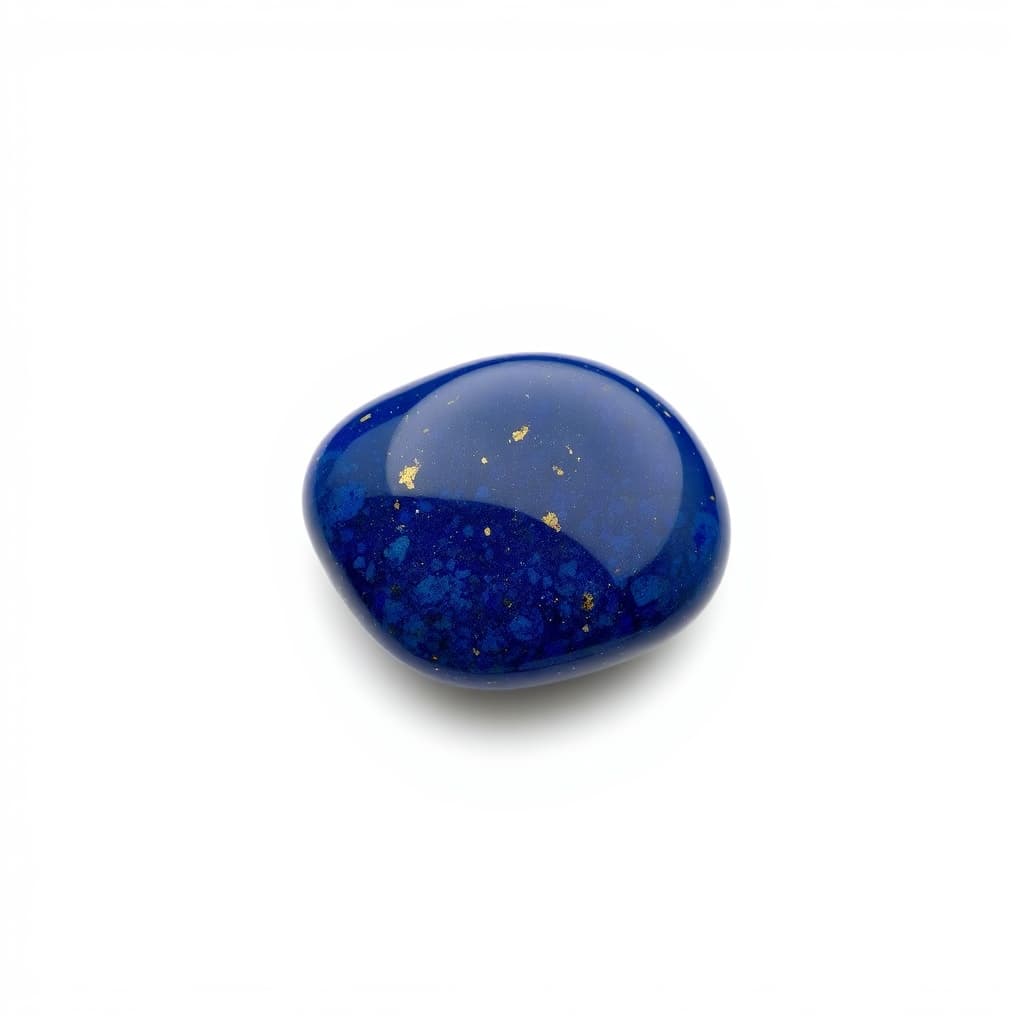
Lapis Lazuli, the Colour That Was Once Worth More Than Gold
Crushed, it was ultramarine, the most expensive pigment in the Renaissance. Worn, it was the stone of royalty across three thousand years. A careful look at what lapis actually is, where the real pieces come from, and how to read the pyrite.
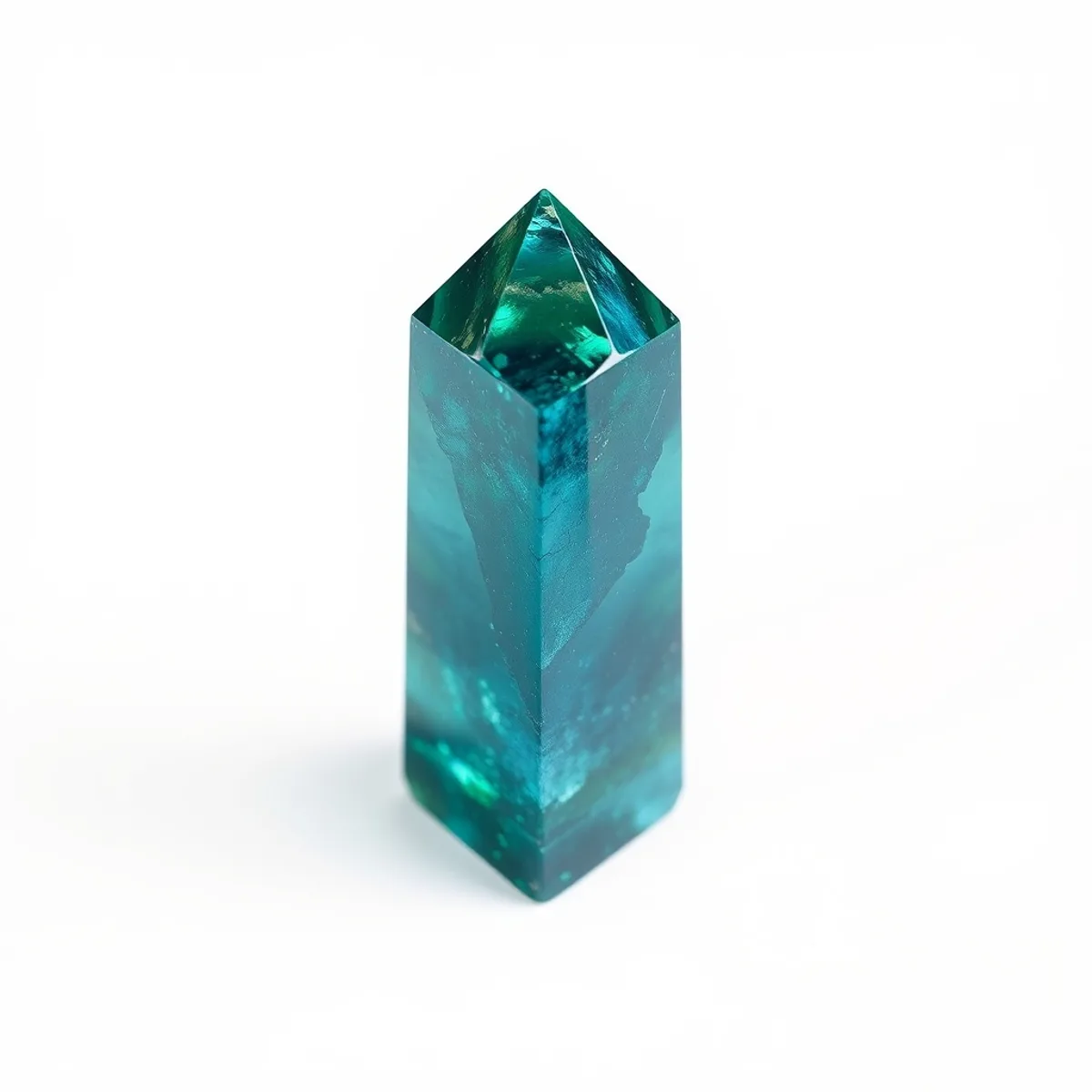
Labradorite, the Stone That Only Shows Itself When It Wants To
A grey stone in the drawer, a fire in the sun. A careful look at labradorescence, the science of why it flashes, and the quiet tradition of keeping it close during transitions.
Sagittarius Crystals, Jupiter Fire and the Wide Horizon
The ninth zodiac sign carries Jupiter energy expressed through fire. Philosophy, travel, optimism, big questions. The stones that pair with Sagittarius honour the expansive quality while keeping the archer's aim honest.
Mentioned in
Sit with us on Sundays.
One quiet letter every week. New writing, a crystal to consider, and whatever we have been thinking about. No tracking pixels, no affiliate noise.
By subscribing you agree to receive weekly emails from AU Crystals. Unsubscribe anytime. See our privacy note.