
Crystals for Focus, the Desk Stone Tradition
A small stone on a desk is one of the oldest focus tools in human history. Scribes used it. Students still use it. Here is what the tradition recommends and why a physical object actually helps concentration.

At a glance.
Quick read- ChakraThird Eye (Ajna), Solar Plexus (Manipura)
- Mohs hardnessVaries
- Mineral familyLifestyle pairing
- OriginScribal tradition
- ColourPurple, clear, golden
- ElementAir, Earth
- ZodiacUniversal
- Sits well withStudy, deep work, writing
- Water safeDepends on stone
- Sun safeDepends on stone
- RarityWidely available
The stone on the desk is one of the oldest working tools in human history. Scribes had them. Medieval monks kept them beside manuscripts. Modern writers still reach for them. The tradition predates the modern wellness framing by thousands of years because the thing actually works, in a specific and modest way.
Why a desk stone helps focus
The mechanism is behavioural. A consistent physical object on a work surface becomes an environmental cue for focus mode. Research on implementation intentions consistently shows that specific environmental triggers (a specific seat, a specific light, a specific object) improve task initiation.
The stone is the trigger. Not a magical focus aid.
The three stones most recommended
Fluorite is the classical study stone. Its name literally gave us the word fluorescence. Chinese scholarly tradition has kept fluorite on writing desks for at least three thousand years.
Clear quartz is the neutral companion. When unsure, clear quartz works for any thinking task.
Tiger's eye for discernment-heavy work. When you need to sort through conflicting information or edit a long piece, tiger's eye pairs with the decision-making tradition.
How to actually use it
Choose one stone. Place it on the surface where you do your most important work. Every time you sit down:
- Touch the stone briefly
- Take one slow breath
- Begin
Every time you finish a work session:
- Touch the stone again
- Notice you have finished
That is the whole ritual. After about two weeks the stone becomes an automatic signal, and focus improves measurably for most people who try it consistently.
What to skip
Elaborate crystal grids on the desk. Three stones or more becomes decoration and loses the cue.
Replacing actual focus habits with the stone. The crystal is a complement to deep-work practice, not a substitute.
Expecting immediate results. The cue-based effect builds over weeks.
A closing note
A fluorite cube or a small quartz point beside a notebook is a very old tradition. It works because it is consistent. Use it as the beginning and end of sessions. Let the cue do the quiet work over time.
A few honest questions.
Which crystal is most classically associated with focus?
Fluorite. Its name literally gave us the word fluorescence, and the Chinese scholarly tradition paired fluorite carvings with scholarly work for at least three thousand years.
Does a stone actually help me concentrate?
Not directly. What a desk object does is anchor the start and end of work sessions. Research on implementation intentions and environmental cues supports the idea that consistent physical markers improve task initiation.
Can I use multiple crystals for focus?
One is usually better. A single specific object becomes the work cue. Too many stones turn the desk into decoration rather than a work signal.
Keep reading.
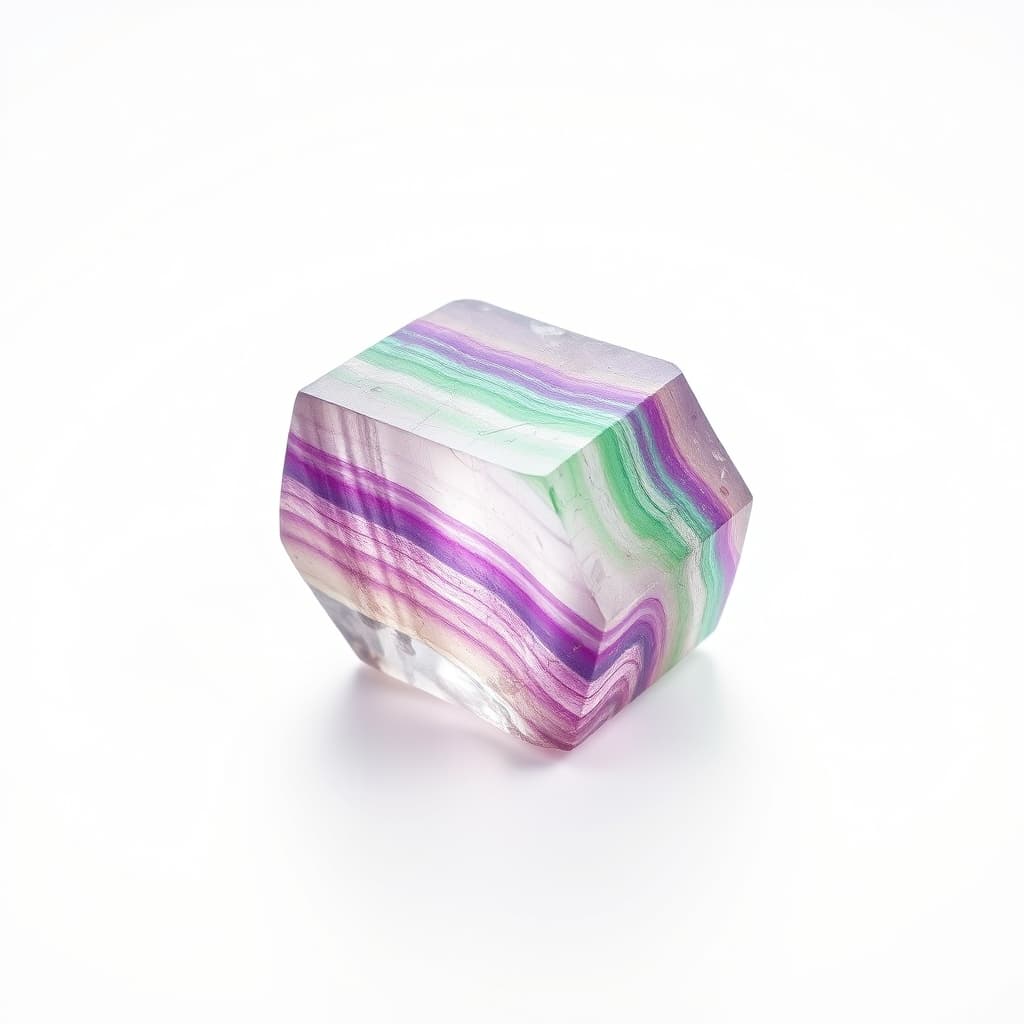
Fluorite, the Study Stone
Named after the Latin word to flow, fluorite gave us fluorescence as a concept. A careful look at the cubic crystal that glows under UV, the colour banding that makes rainbow fluorite so striking, and the long tradition of keeping one near where you think.
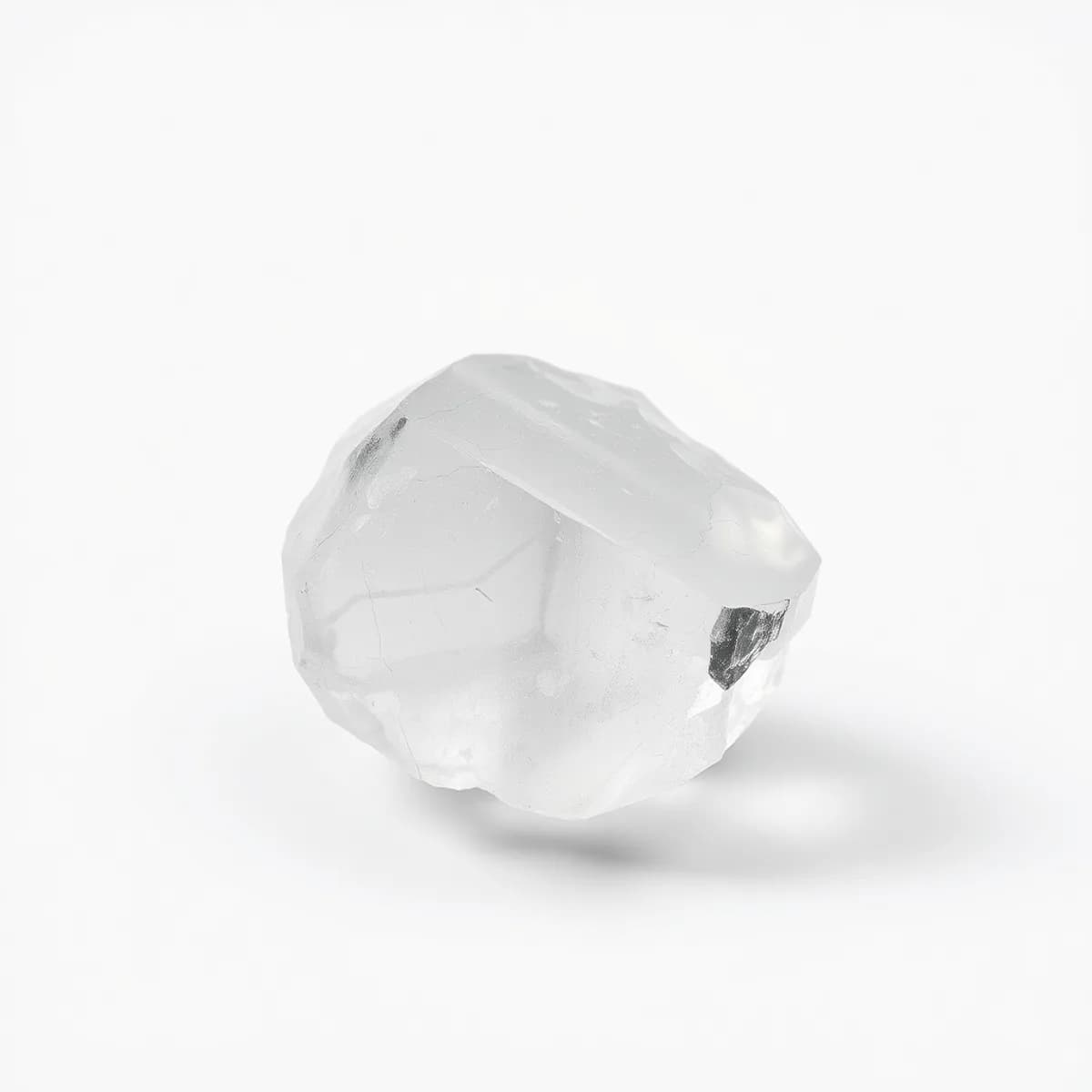
Clear Quartz, the One That Does a Bit of Everything
Called the master healer in tradition and used in nearly every radio and watch in the twentieth century. A look at what clear quartz actually is, how it earned its reputation, and why it gets recommended for almost everything.
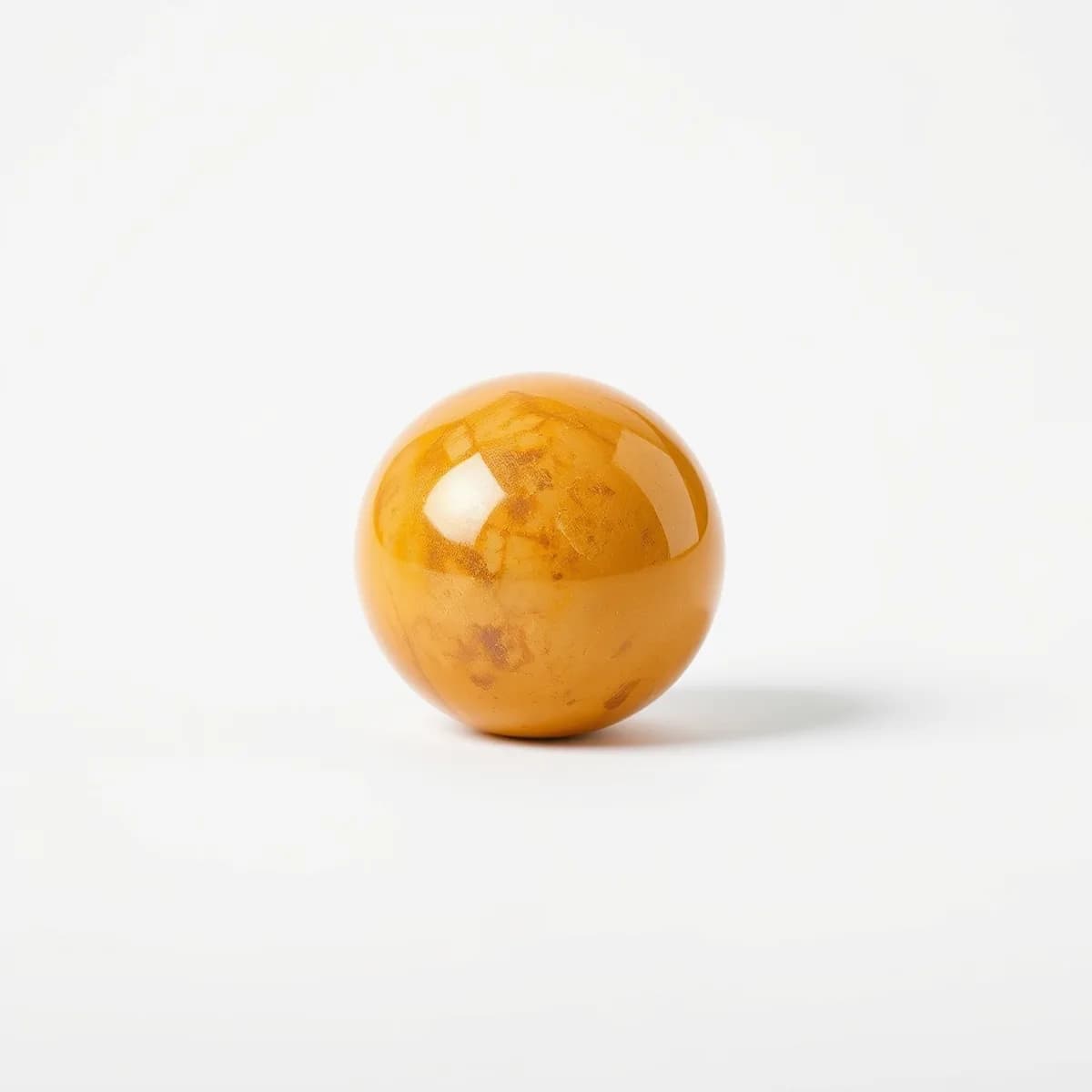
Tiger's Eye, the Stone That Catches Light Like a Cat's
A striped, chatoyant quartz variety that shifts as you tilt it. The mineralogy behind the silk, the difference between gold and red and blue varieties, and the quiet confidence this stone has always been associated with.
Sit with us on Sundays.
One quiet letter every week. New writing, a crystal to consider, and whatever we have been thinking about. No tracking pixels, no affiliate noise.
By subscribing you agree to receive weekly emails from AU Crystals. Unsubscribe anytime. See our privacy note.