
Pyrite, Fool's Gold, Quietly
Iron sulfide in natural cubes that fooled miners for centuries. The chemistry, the one medical concern nobody mentions, and why the abundance stone marketing is mostly fiction even when the stone itself is lovely.
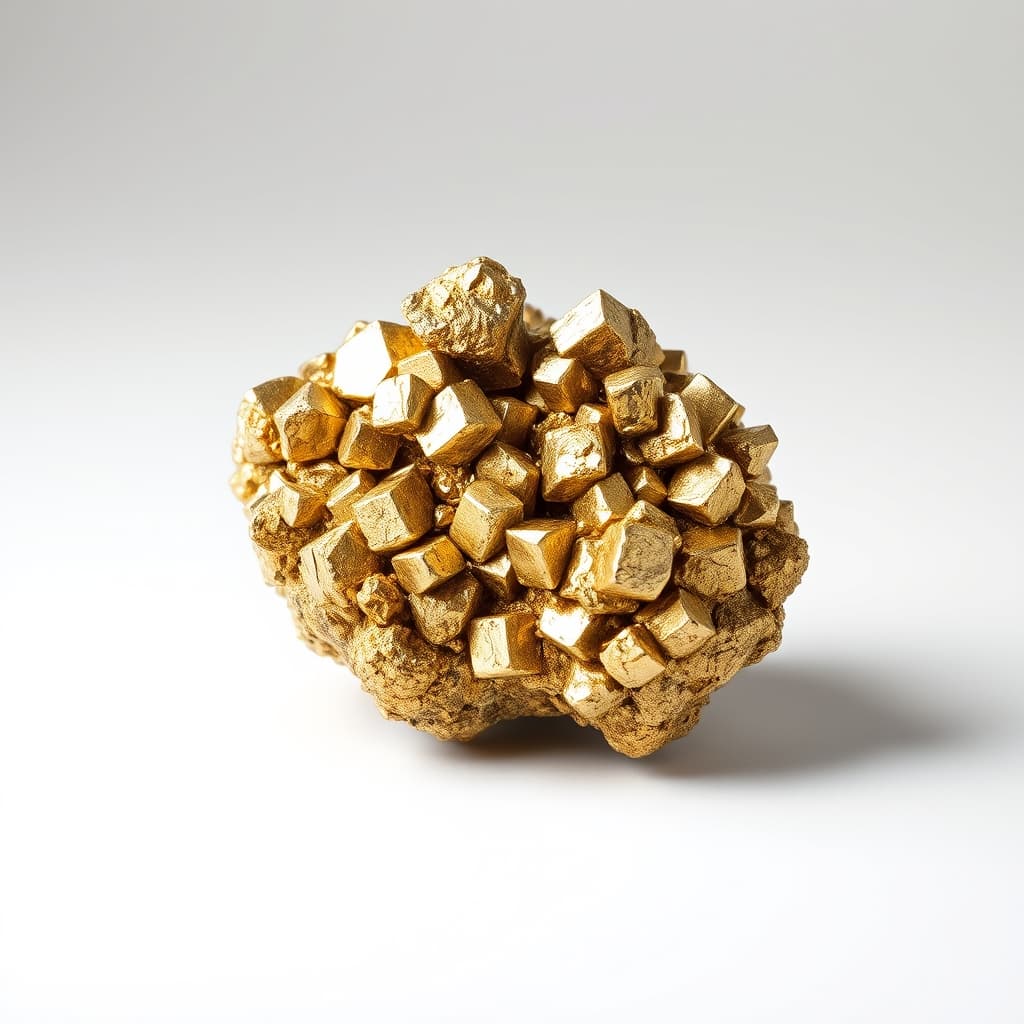
At a glance.
Quick read- ChakraSolar Plexus (Manipura)
- Mohs hardness6 to 6.5
- Mineral familyIron sulfide
- OriginSpain, Peru, Italy, United States
- ColourBrassy metallic yellow
- ElementEarth, Fire
- ZodiacLeo
- Sits well withAgency, starting things, grounded confidence
- Water safeNo, can suffer oxidation breakdown
- Sun safeYes
- RarityCommon
Pyrite is the stone most likely to sit on a bookshelf for a decade and then quietly crumble without warning. This is not a metaphor. It is the specific chemical fate of iron sulfide in humid air. Almost no crystal guide mentions this. We are mentioning it first because pyrite is genuinely beautiful and worth owning, and worth keeping dry.
What pyrite actually is
Pyrite is iron disulfide, FeS2. It crystallizes in the isometric system, which is why natural pyrite forms startlingly perfect cubes and octahedra. The famous Spanish deposits at Navajún produce single cubes up to several centimetres across, with faces so flat they look machined.
The brassy yellow metallic colour is distinctive. In the Gold Rush days, inexperienced prospectors regularly mistook it for gold, which is how the nickname "fool's gold" entered the language. The distinguishing tests are simple.
| Test | Pyrite | Real gold |
|---|---|---|
| Hardness | 6-6.5, brittle | 2.5-3, soft and bends |
| Streak | Dark green-black | Yellow |
| Weight | Heavy but not extreme | Very heavy (density 19.3) |
| Fracture | Brittle, conchoidal | Malleable, does not break |
Pyrite disease, the real warning
Iron sulfide oxidises in humid air. The chemical reaction is slow but persistent:
FeS2 + water + oxygen → iron sulphate + sulphuric acid
A pyrite piece kept in a dry room lasts indefinitely. A pyrite piece kept in a humid bathroom, a sealed display case with trapped moisture, or a basement will gradually develop a white or yellow crust, become powdery, and may crumble over years.
How to store pyrite safely. Open, dry shelf. Dust occasionally. Keep away from bathrooms, kitchens, and any space that gets steamy. If you live in a humid climate, consider silica gel packets in storage drawers. If your pyrite starts developing a crust, it is oxidising. The damage is not reversible, though you can slow it with careful drying.
The abundance tradition
Pyrite is the stone most heavily marketed as an "abundance" or "manifestation" crystal in modern crystal commerce. This framing is twentieth century, driven by wellness-industry language rather than older tradition.
The older Roman and Greek traditions associated pyrite with agency and the capacity to start things, not with direct financial gain. Soldiers carried it. Craftsmen kept it in workshops. The symbolism was about action, not acquisition.
We think the older framing is more honest. A stone on your desk will not attract money. A stone on your desk can be a steady visual reminder to begin the work that eventually produces what you are hoping for.
Living with a piece
Three approaches.
On a desk near the beginning of projects. The golden cube catches morning light and becomes a small visual anchor for starting.
In a pocket during negotiations or difficult calls. The weight reinforces grounded presence.
Paired with clear quartz for focus. Traditional and pretty. The geometric shapes read well together.
Caring for pyrite
- Dry storage always. This is the single most important rule.
- Soft dry cloth. No water, no ultrasonic, no steam cleaners.
- Avoid salt and acid. Both accelerate oxidation.
- Store separately. Brittle crystal, hard faces. Keep away from things that could chip the cube edges.
A few honest questions.
Why is pyrite called fool's gold?
Because in the California Gold Rush and other prospecting booms, pyrite cubes were frequently mistaken for gold. They have the same metallic sheen and yellow colour. The distinguishing test is hardness. Gold is soft and bends under a knife. Pyrite is brittle and shatters. Gold has a yellow streak. Pyrite has a dark green-black streak.
Is pyrite safe to have in my home?
Yes in most cases. Keep it dry. Pyrite can suffer pyrite disease, a slow oxidation reaction that breaks the stone down into iron sulphate. This produces a sulphuric acid byproduct that can damage the specimen and anything stored near it. Dry rooms are fine. Damp basements, bathrooms, or sealed display cases with humidity are not.
Can pyrite go in water?
No. Water accelerates pyrite disease. Clean with a dry soft cloth or a slightly damp cloth followed by immediate drying. Never soak.
Why are pyrite crystals naturally cubic?
Pyrite crystallizes in the isometric system. Its atomic lattice naturally forms right-angle structures, producing cubes, octahedra, and pyritohedra. The cubes are real and natural, not cut.
Keep reading.
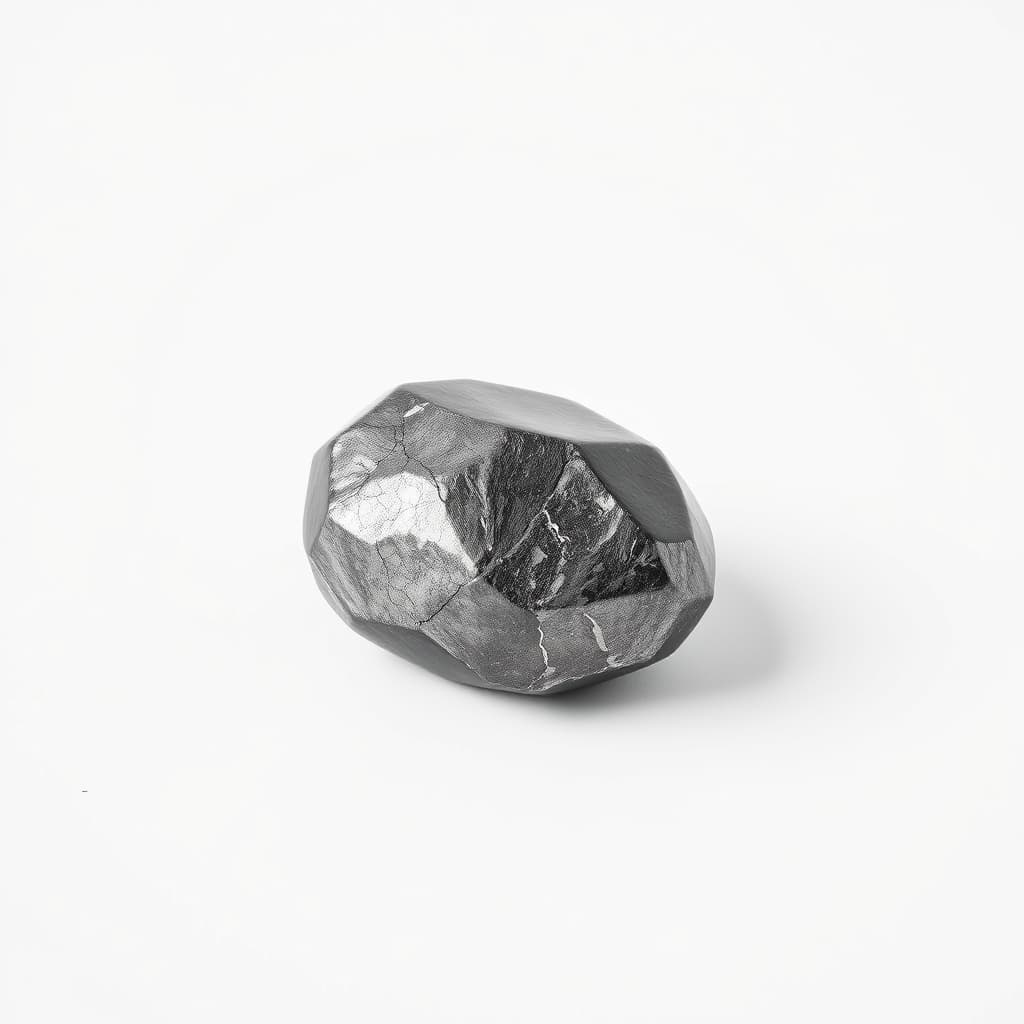
Hematite, the Heavy One
Iron oxide with a mirror shine and a weight you feel. The cosmetics and pigment history, why it has been associated with grounding for millennia, and the specific reason one modern claim about it is physics fiction.
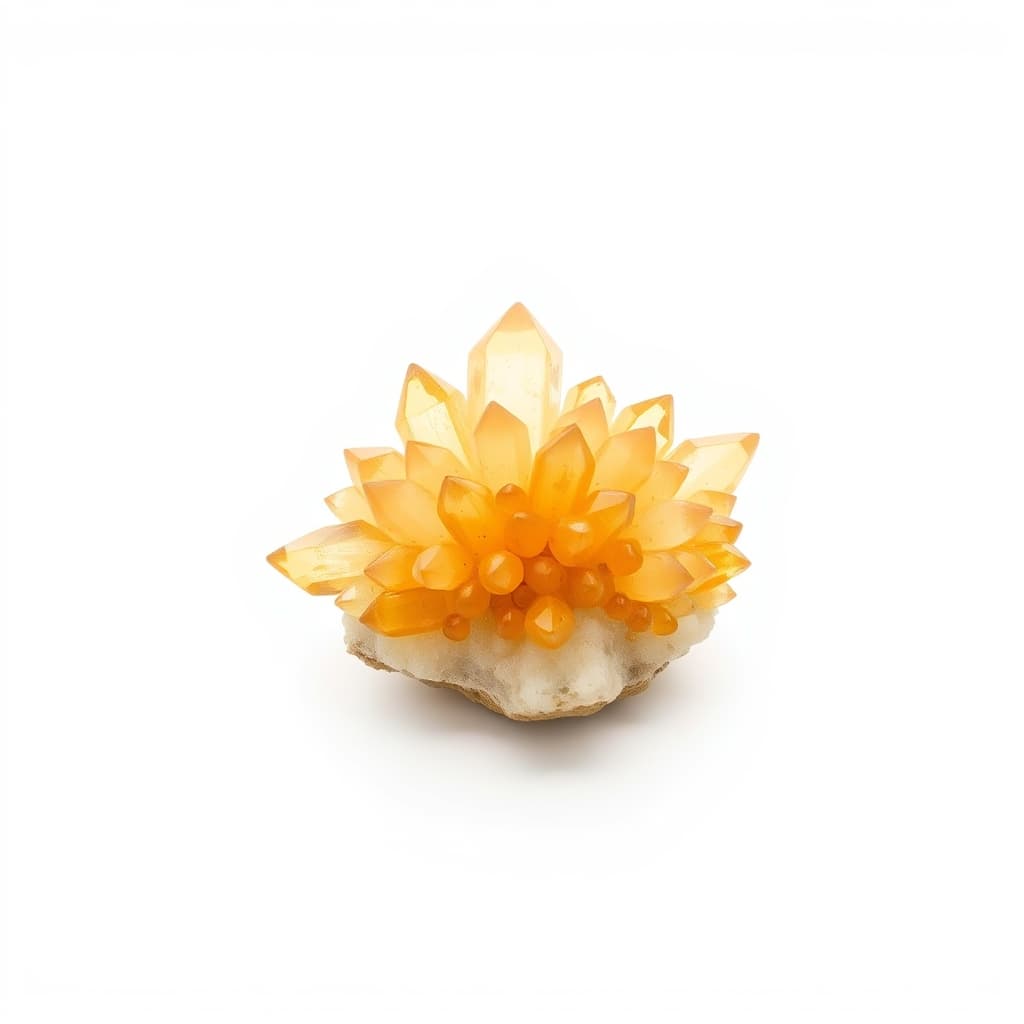
Citrine, and the Quiet Trouble With Most of What You Buy
Real citrine is one of the rarer quartz varieties. Most of what sells under the name is heat treated amethyst. Here is how to tell the difference, why it matters, and what the stone traditionally stood for before any of that got complicated.
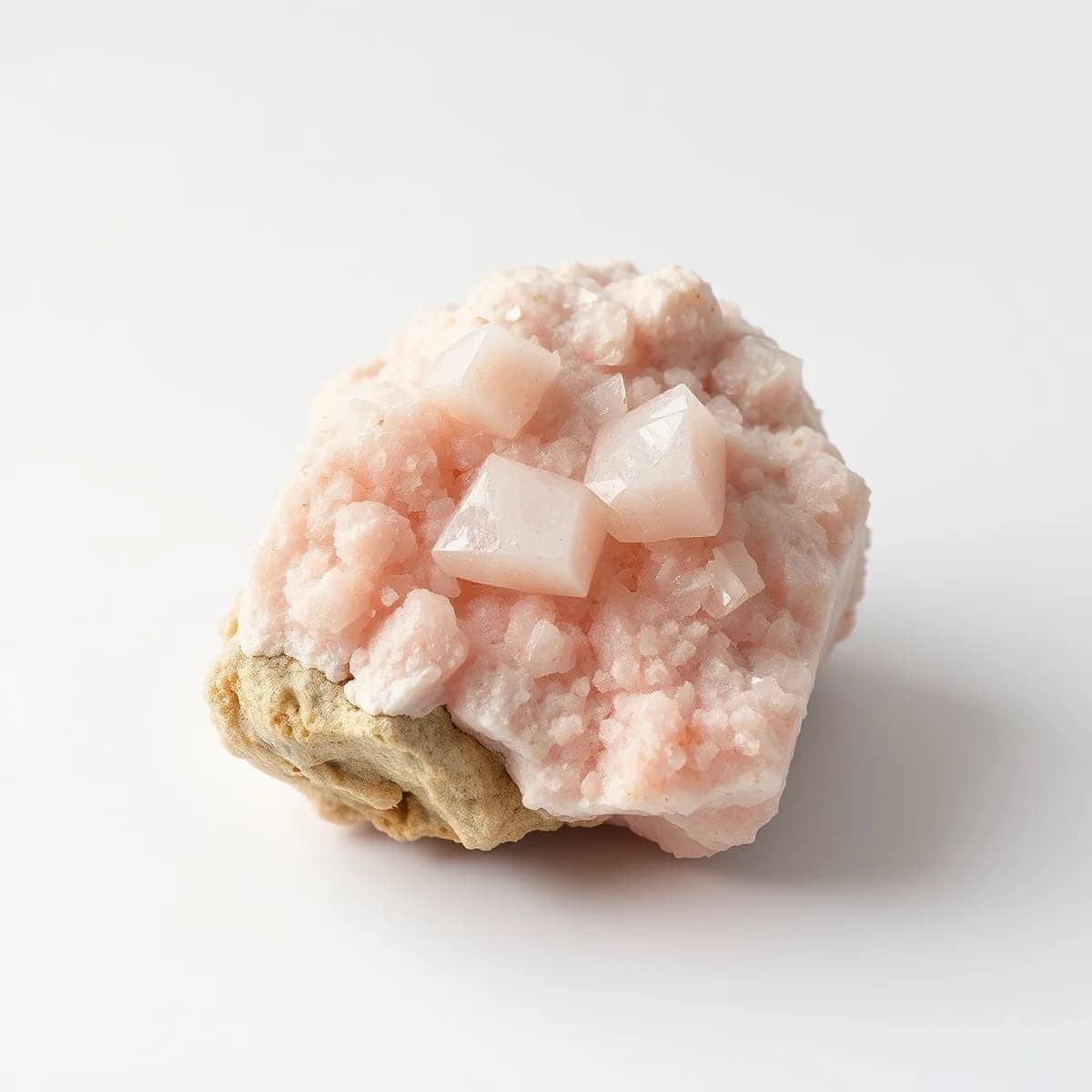
Rose Quartz, Honestly
Most of what gets written about rose quartz is a bit breathless. Here is a quieter guide, with the geology, the tradition, and a few honest notes on what crystal skincare can and cannot do.
Sit with us on Sundays.
One quiet letter every week. New writing, a crystal to consider, and whatever we have been thinking about. No tracking pixels, no affiliate noise.
By subscribing you agree to receive weekly emails from AU Crystals. Unsubscribe anytime. See our privacy note.