
Green Aventurine, the Gentle Lucky Stone
The stone most commonly gifted for new beginnings. Where the sparkle comes from, why it has kept its association with luck for centuries, and why we are cautious about how luck gets marketed.
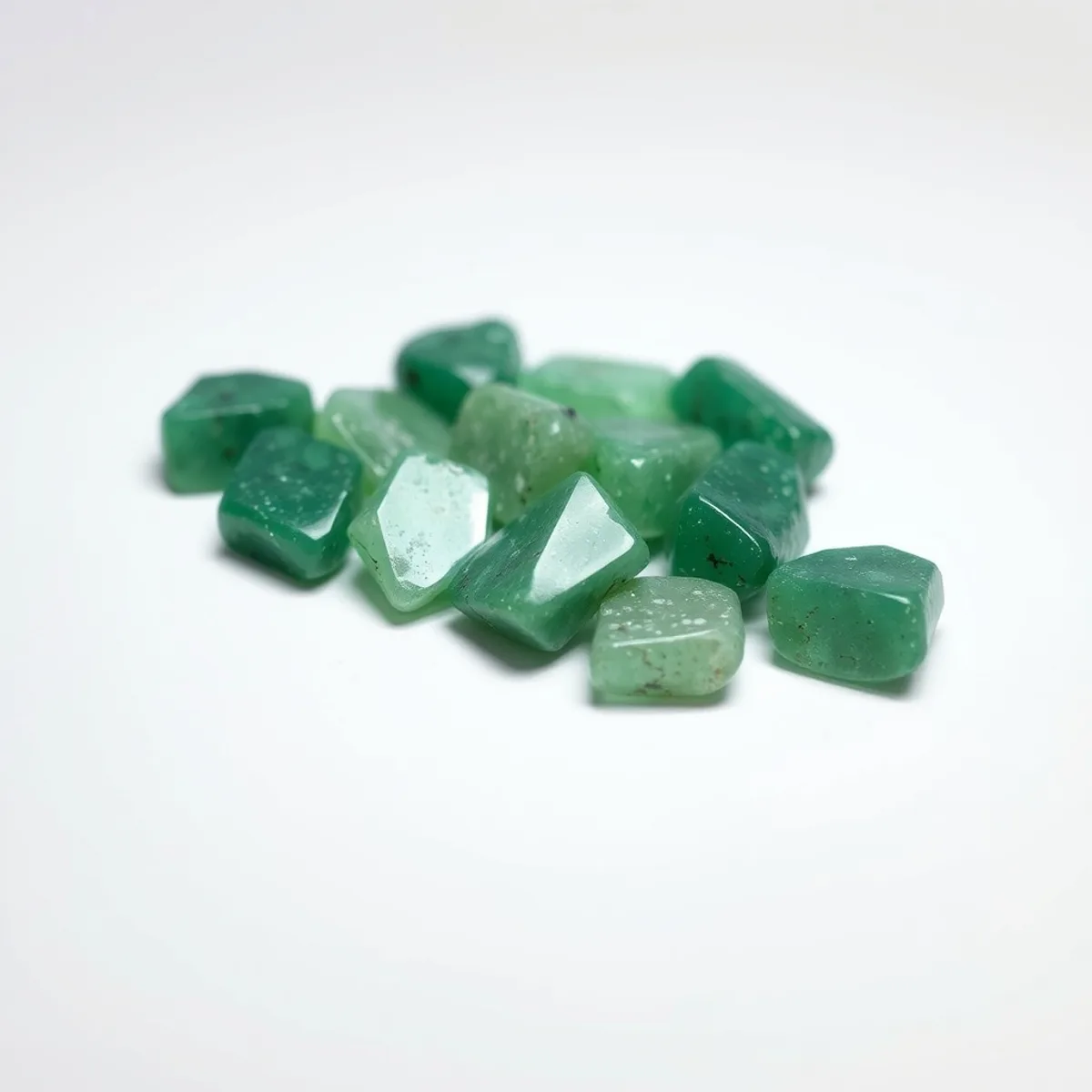
At a glance.
Quick read- ChakraHeart (Anahata)
- Mohs hardness7
- Mineral familyQuartz (with fuchsite inclusions)
- OriginIndia, Brazil, Russia, Tanzania
- ColourSoft to deep green with sparkle
- ElementEarth
- ZodiacTaurus, Libra, Cancer
- Sits well withNew beginnings, gentle heart work, gifting
- Water safeYes
- Sun safeYes
- RarityCommon
Green aventurine is the stone most often slipped into an envelope with a note, the one gifted to someone starting a new job or moving to a new city. The tradition is old and honest, and the stone earns it by being affordable, widely available, and soft in a visual sense that invites quiet carrying rather than display.
What aventurine actually is
Chemically, aventurine is a quartzite rock with microscopic inclusions of fuchsite, a green chromium-bearing mica. The fuchsite platelets catch light and scatter it in small bright points, producing the characteristic aventurescence (the word came first, before the French used it for certain glass). The densest inclusions produce the most sparkle.
Other colours of aventurine exist (blue with dumortierite, red with hematite, peach with iron oxide), but green is by far the most common and the most traditionally associated with gifting.
The gifting tradition
The pattern of gifting a small green stone for a new beginning appears across many cultures without direct contact. Chinese tradition pairs jade (a different green stone) with similar life-stage rituals. Celtic tradition paired green stones with the turning of seasons. Modern Western crystal culture inherited and simplified both threads into the green aventurine recommendation.
What the tradition is honest about: green stones as markers of change, support, and care.
What modern marketing oversells: that the stone will bring financial luck, promotions, or lottery wins. Any crystal sold specifically for financial gain has drifted from tradition into commerce dressed as folklore.
An honest reframe. Luck in the older sense meant being supported through uncertain transitions. Not winning against others. Keep that distinction. A green aventurine in your pocket during a career change is a steady presence, not a charm.
Living with a piece
Three simple approaches.
As a gift to someone starting something new. The most traditional use. Add a small note explaining why.
In a pocket during a personal transition. Moving house, starting a job, leaving a relationship. The weight is the reminder that change has company.
On a desk in the first weeks of a new project. A visible marker that this phase has started.
Caring for it
Durable. 7 on the Mohs scale. Water safe, sun stable, and cheap enough that a lost piece is not a tragedy. Store separately to avoid scratching the polish.
Spotting imitations
Glass "aventurine" exists and is sometimes sold in craft shops. Tells:
- Real aventurine has uneven sparkle. Glass imitations show perfectly regular metallic flakes.
- Real stone is cool to touch and dense. Glass warms quickly and feels lighter.
- Real aventurine shows a cloudy green through light. Glass is more transparent.
A few honest questions.
Where does the sparkle in green aventurine come from?
From microscopic inclusions of fuchsite mica scattered through the quartz. The effect is called aventurescence and the word aventurine came first. The sparkle ranges from barely visible to dramatic depending on the density of inclusions.
Is green aventurine really lucky?
Traditionally it has been given as a gift for new beginnings across many cultures, which is a real and old pattern. Whether it carries supernatural luck depends on your beliefs. What it does reliably provide is a tangible reminder of a supportive person, a new phase, or an intention someone set for you.
Is green aventurine dyed?
Real aventurine is naturally green from its fuchsite inclusions. Dyed pieces exist and tend to show uniform, saturated colour without the characteristic internal sparkle. Rub with a damp cloth moistened with acetone to test dye transfer.
Can it go in water?
Yes. At 7 on the Mohs scale it handles water without trouble. Avoid long salt water exposure.
Keep reading.
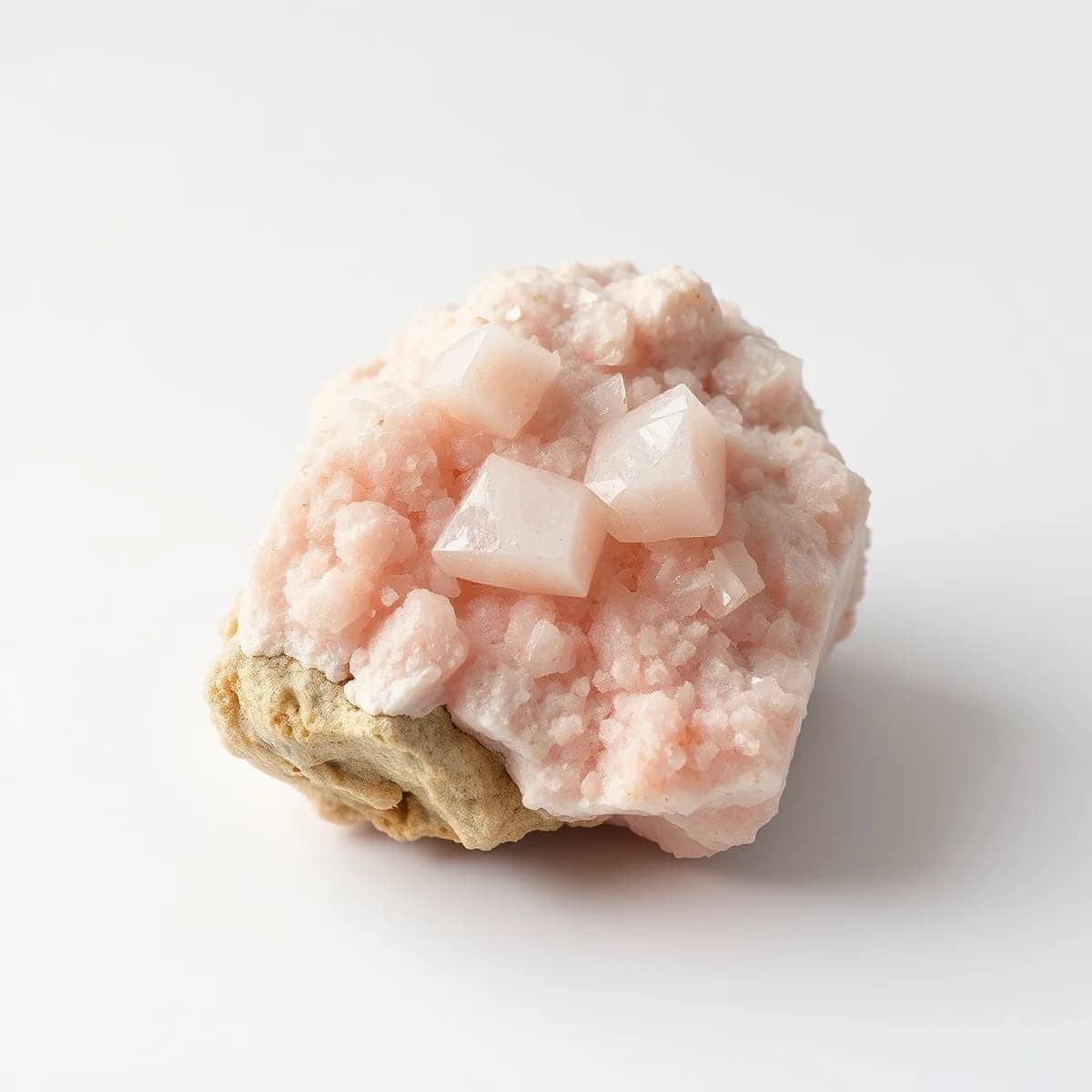
Rose Quartz, Honestly
Most of what gets written about rose quartz is a bit breathless. Here is a quieter guide, with the geology, the tradition, and a few honest notes on what crystal skincare can and cannot do.
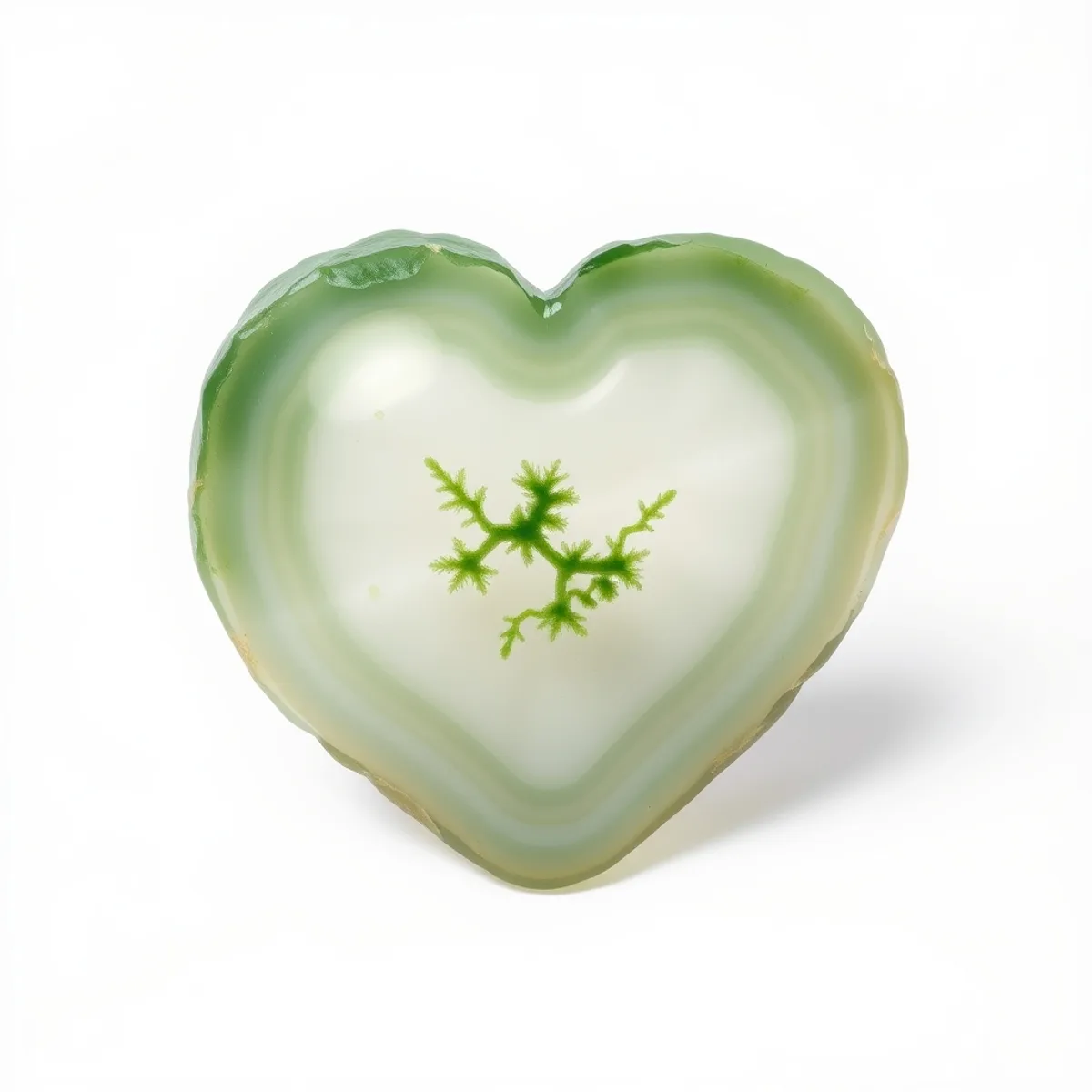
Moss Agate, the Gardener's Stone
Not technically an agate and not technically mossy, but one of the loveliest stones to hold against a window. Where the green dendrites come from, and the long association with gardens and slow growth.
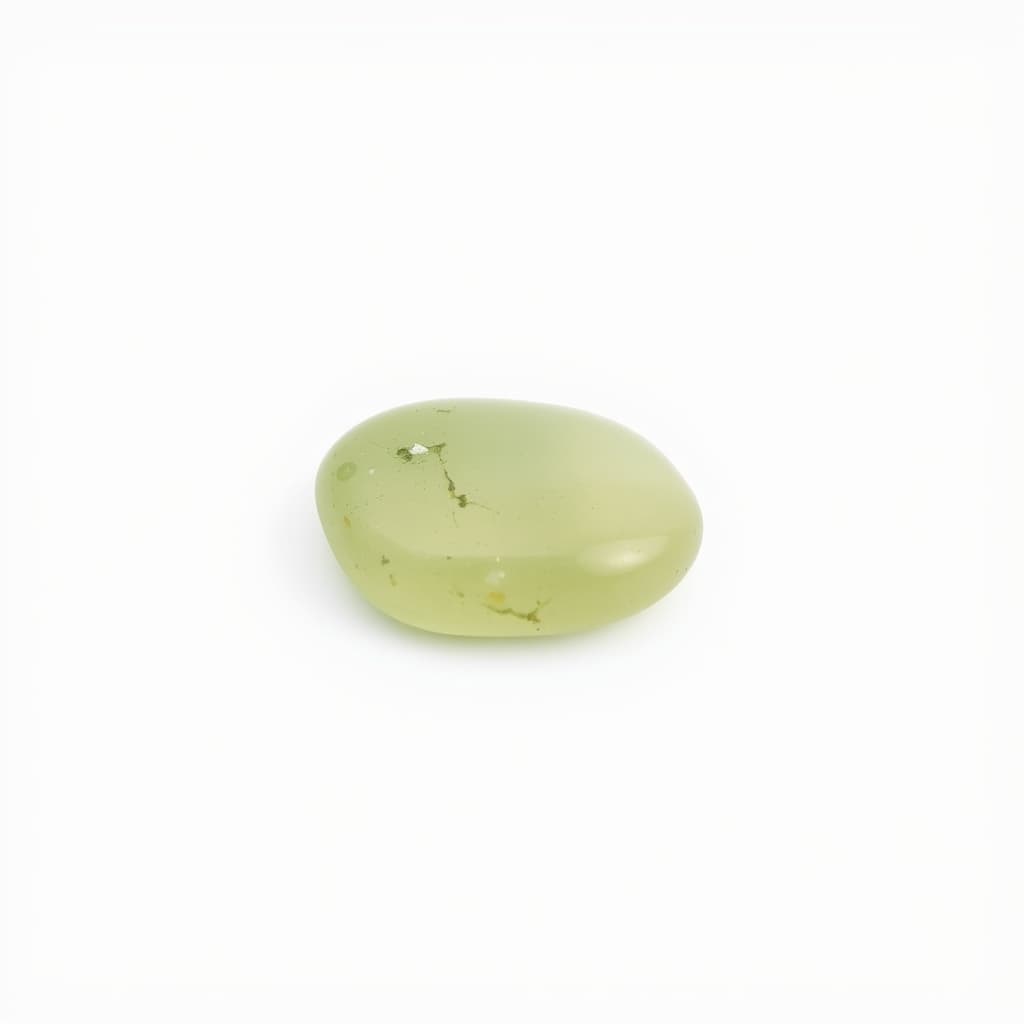
Prehnite, the Stone That Heals the Healer
A pale green calcium aluminium silicate often threaded with black epidote needles. Where the unusual translucent glow comes from, and the long tradition of keeping one near people who look after others.
Mentioned in
Sit with us on Sundays.
One quiet letter every week. New writing, a crystal to consider, and whatever we have been thinking about. No tracking pixels, no affiliate noise.
By subscribing you agree to receive weekly emails from AU Crystals. Unsubscribe anytime. See our privacy note.