
Smoky Quartz, the Quiet One
A brown grey quartz formed by natural radiation over geological time. A careful look at its real origin, why Scotland adopted it as a national stone, and the distinction between natural smoky quartz and the irradiated material that dominates the cheap end of the market.
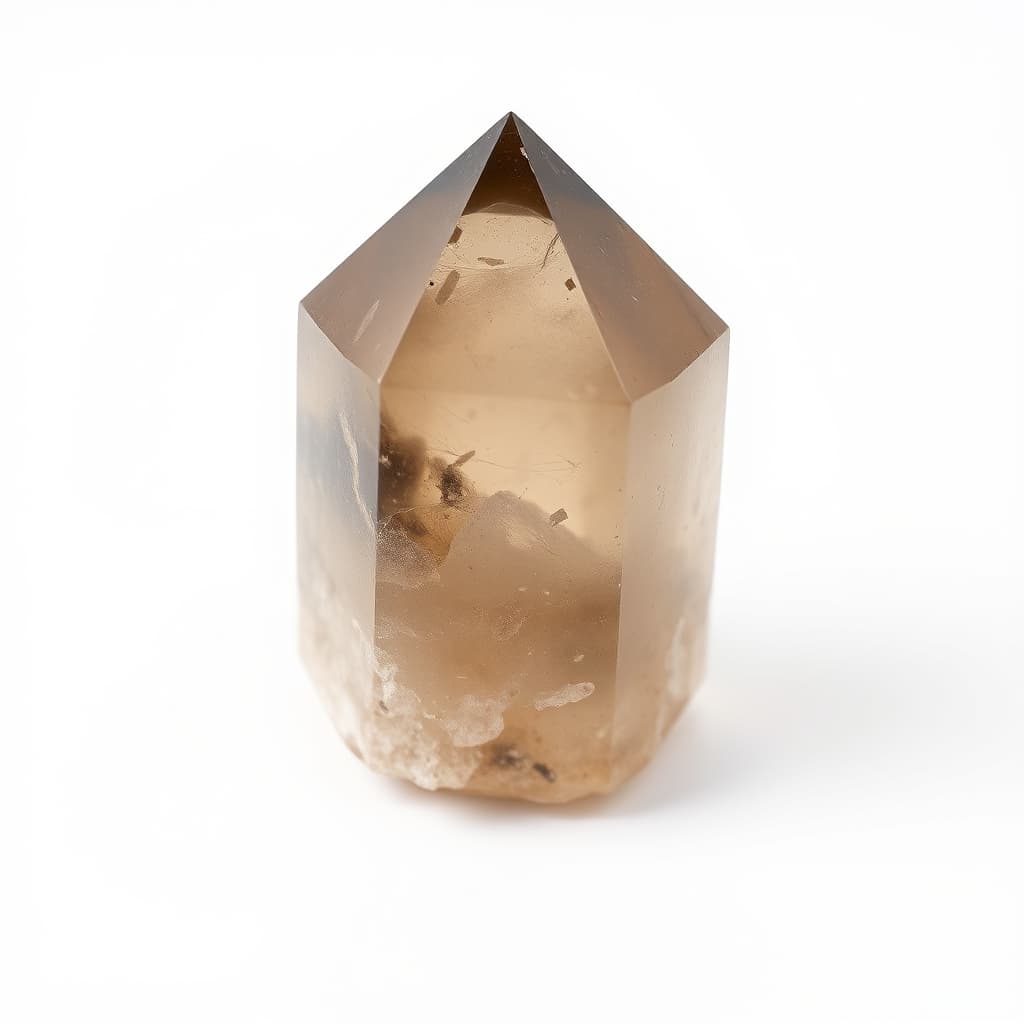
At a glance.
Quick read- ChakraRoot (Muladhara)
- Mohs hardness7
- Mineral familyQuartz
- OriginScotland, Brazil, Madagascar, Switzerland
- ColourPale grey brown to deep charcoal
- ElementEarth
- ZodiacCapricorn, Scorpio, Sagittarius
- Sits well withGrounding, quiet focus, gentle shadow work
- Water safeYes
- Sun safeFades slowly in long direct sun
- RarityCommon, fine natural is uncommon
Smoky quartz is the stone people keep coming back to quietly. It does not demand attention on a shelf. It does not flash or glow. But if you have ever held a good piece of natural cairngorm and turned it in morning light, the way warm brown takes colour from the sun is something no other stone quite does. This is the crystal of slow seasons.
What smoky quartz actually is
Chemically, smoky quartz is silicon dioxide with trace amounts of aluminium substituted into the crystal lattice. The distinctive smoky brown colour is produced when natural gamma radiation from radioactive isotopes in the surrounding rock, usually uranium or thorium trace content, gradually alters those aluminium sites over millions of years.
The stone itself is not radioactive. The radiation that created the colour was absorbed long ago and the chemical change is stable. Smoky quartz is completely safe to handle, wear, and live with.
Natural versus irradiated
This is the distinction the market rarely spells out, and it matters if you care about the stone for more than appearance.
| Type | How it formed | Colour character | Price |
|---|---|---|---|
| Natural smoky quartz | Millions of years of natural gamma radiation | Soft, varied, warm brown | Mid to premium |
| Irradiated quartz | Industrial gamma chamber, days | Very dark, often almost black, uniform | Entry |
| Morion | Heavily irradiated, natural or enhanced | Near opaque black | Varies |
Irradiated material is real quartz. It is not fake, and the treatment is stable. The reason to prefer natural smoky quartz, if you have the option, is that the colour is gentler and the provenance connects to the older tradition. If you only care about the look, irradiated is fine and cheaper.
A practical tell. Hold the stone against strong light. Natural smoky quartz almost always shows gentle variation within the stone, often with slightly lighter and darker zones. Irradiated material tends to be uniformly dark throughout, sometimes to the point of looking like black glass.
The Scottish tradition
In Scotland, natural smoky quartz has been called cairngorm since at least the 1700s, after the Cairngorm Mountains in the Highlands where it was extensively mined. Cairngorm stones were traditionally set in:
- The handle of the sgian dubh, the small knife carried with Highland dress
- Brooches and kilt pins
- The pommel of the basket hilted broadsword
- Snuff boxes and decorative objects of the Scottish nobility
The stone became such a part of Scottish material culture that the trade name has stuck across the English speaking world. If you see a listing for cairngorm, it is natural smoky quartz, usually from Scotland or matched in tone to the Scottish material.
The tradition beyond Scotland
Smoky quartz has quieter but genuine traditions in other cultures. The old European folklore includes it as a protective stone carried against curses. Tibetan Buddhist practice uses smoky quartz mala beads for meditation, particularly in Nyingma tradition. Celtic tradition associates it with the earth itself, the ground under your feet.
The consistent thread is grounding. Not the dramatic grounding of black tourmaline during overwhelm, but the slower, steadier grounding of simply being in your life rather than floating above it.
The chakra and symbolic associations
Smoky quartz is most commonly paired with the root chakra (Muladhara). Some writers extend it to include the earth star, an extended chakra below the feet in certain modern systems.
The symbolic framing across sources tends to describe smoky quartz as:
- Gentle rather than intense
- For sustained grounding rather than emergency grounding
- Useful during long transitions rather than acute crises
- A stone for staying present in ordinary life
If black tourmaline is the stone you grab during a storm, smoky quartz is the stone you keep through the slow grey season afterwards.
A small honesty. Every stone gets oversold in popular writing. Smoky quartz is described in some sources as transmuting negative energy, a claim that cannot be evaluated scientifically and drifts toward the grandiose. The older tradition is more modest. It simply describes a companion stone for being quietly in your body.
Living with a piece
Four approaches that match the stone's character.
A tumbled piece in a pocket during long seasons. Unlike the acute practice of carrying black tourmaline during a crisis, smoky quartz works over weeks and months. A tumble in the pocket of a favourite jacket becomes a slow accompaniment.
A point on a desk oriented toward you. Traditional placement. The point becomes a visual anchor that subtly reinforces the choice to return to the present.
Beside a meditation cushion. One of the most commonly recommended stones for meditation because it does not demand anything from the practitioner. It simply sits there with you.
As mala beads for slow mantra practice. The Tibetan tradition of using smoky quartz for 108 bead malas is well founded. The stone is durable, tactile, and quiet, which is what mala work asks for.
Caring for smoky quartz
Three notes.
It is durable. At 7 on the Mohs scale, ordinary wear is fine.
It fades in sun. Long exposure to direct sunlight over years can slowly reverse the colour. Keep valuable pieces out of south facing glass. This is more noticeable in heavily irradiated material than in naturally formed pieces.
It is water safe. Wash in cool water with a soft cloth. Avoid ultrasonic cleaners, which can weaken natural inclusions.
Buying honestly
Two practical checks.
Colour variation. Natural smoky quartz almost always shows gentle tonal variation. Uniform dark colour throughout usually indicates commercial irradiation.
Ask about treatment. A seller offering natural cairngorm or natural smoky quartz from Madagascar should confirm the origin and lack of treatment. Irradiated material sold at natural prices is the only real ethical issue here, and it is rare at the low end of the market but worth watching at the high end.
A closing thought
Smoky quartz is not the stone anyone falls in love with at first glance in a shop. It is the stone someone carries for a year and then cannot imagine being without. Keep a small piece where your hand will find it during ordinary days. That is the whole relationship, and for the right person it is already plenty.
A few honest questions.
Is smoky quartz actually radioactive?
No. The colour comes from natural gamma radiation over millions of years, which permanently alters the aluminium sites within the crystal lattice. The stone itself is not radioactive and is completely safe to handle.
What is irradiated smoky quartz?
Clear quartz treated with gamma radiation in a commercial facility to reproduce the colour change in days rather than millennia. The result is chemically similar but usually darker, more uniformly black, and often less subtle than natural smoky quartz.
Why is smoky quartz associated with Scotland?
Natural smoky quartz occurs in abundance in the Cairngorm Mountains and has been called cairngorm stone since at least the eighteenth century. It was traditionally set in sgian dubh handles and brooches, making it effectively a Scottish national stone.
Can smoky quartz fade?
Yes, slowly, under prolonged direct sunlight. Heat and UV can reverse the radiation induced colour over years, which is why display pieces are often kept out of south facing windows.
Keep reading.
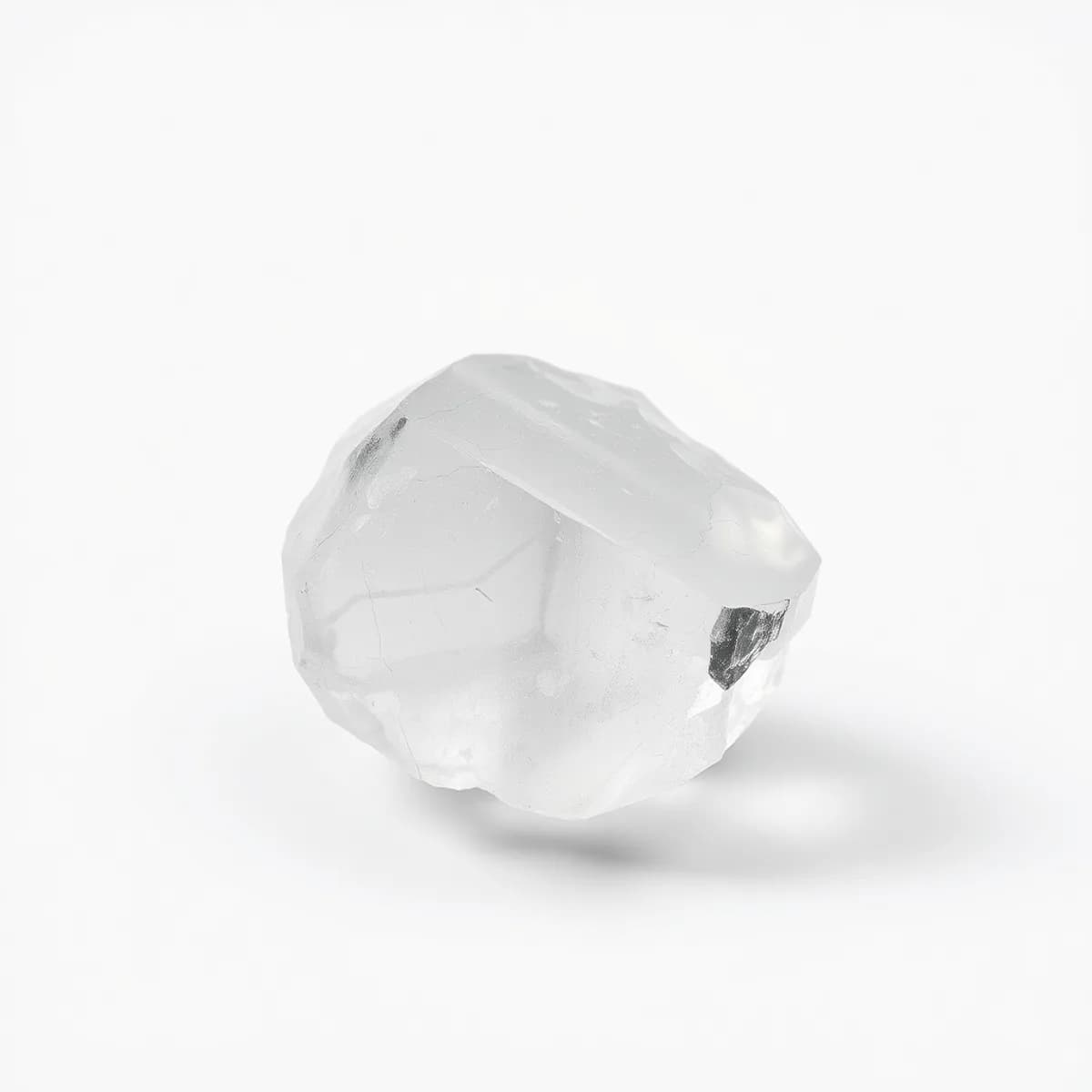
Clear Quartz, the One That Does a Bit of Everything
Called the master healer in tradition and used in nearly every radio and watch in the twentieth century. A look at what clear quartz actually is, how it earned its reputation, and why it gets recommended for almost everything.
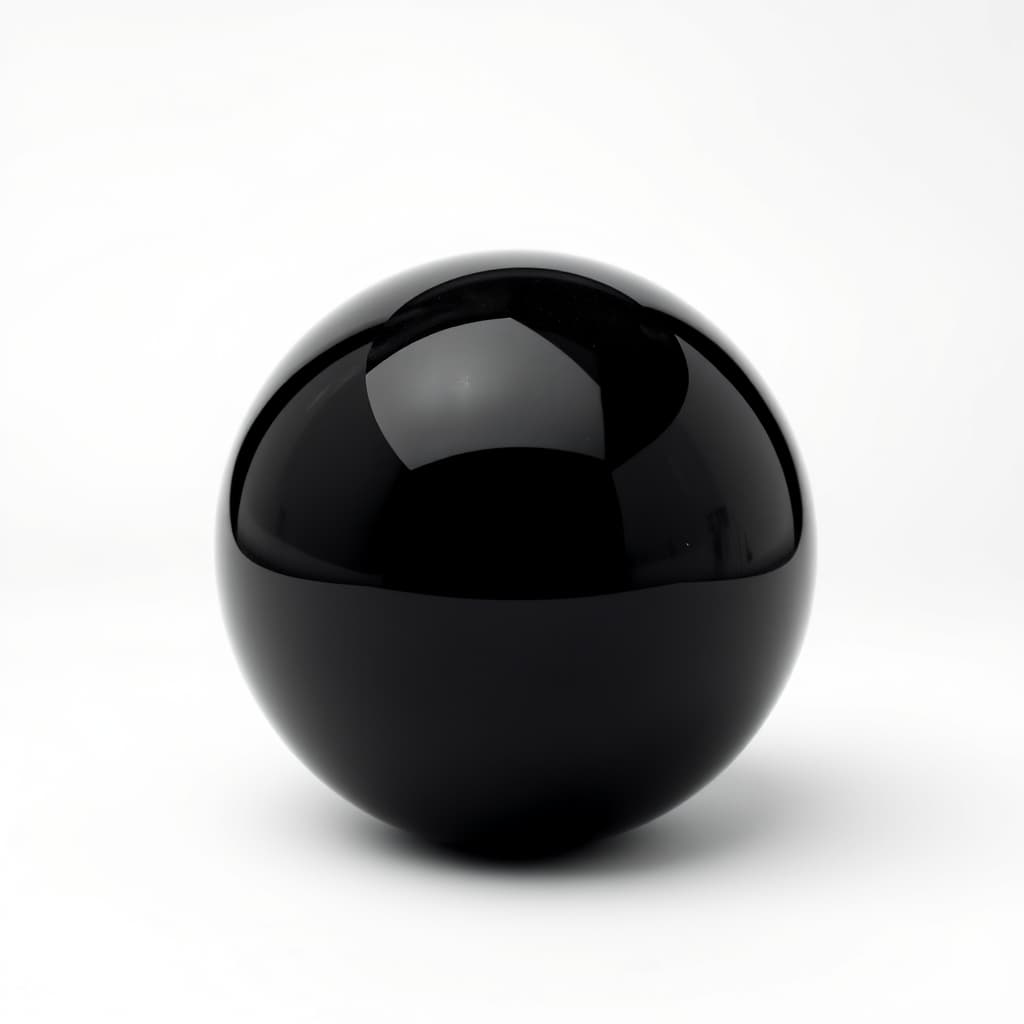
Obsidian, the Mirror Stone
Volcanic glass old enough to predate agriculture, sharp enough to have been the scalpel of choice in some modern surgeries. A careful look at its varieties, its long tradition as a mirror, and why it is one of the most honestly difficult stones in the crystal world.
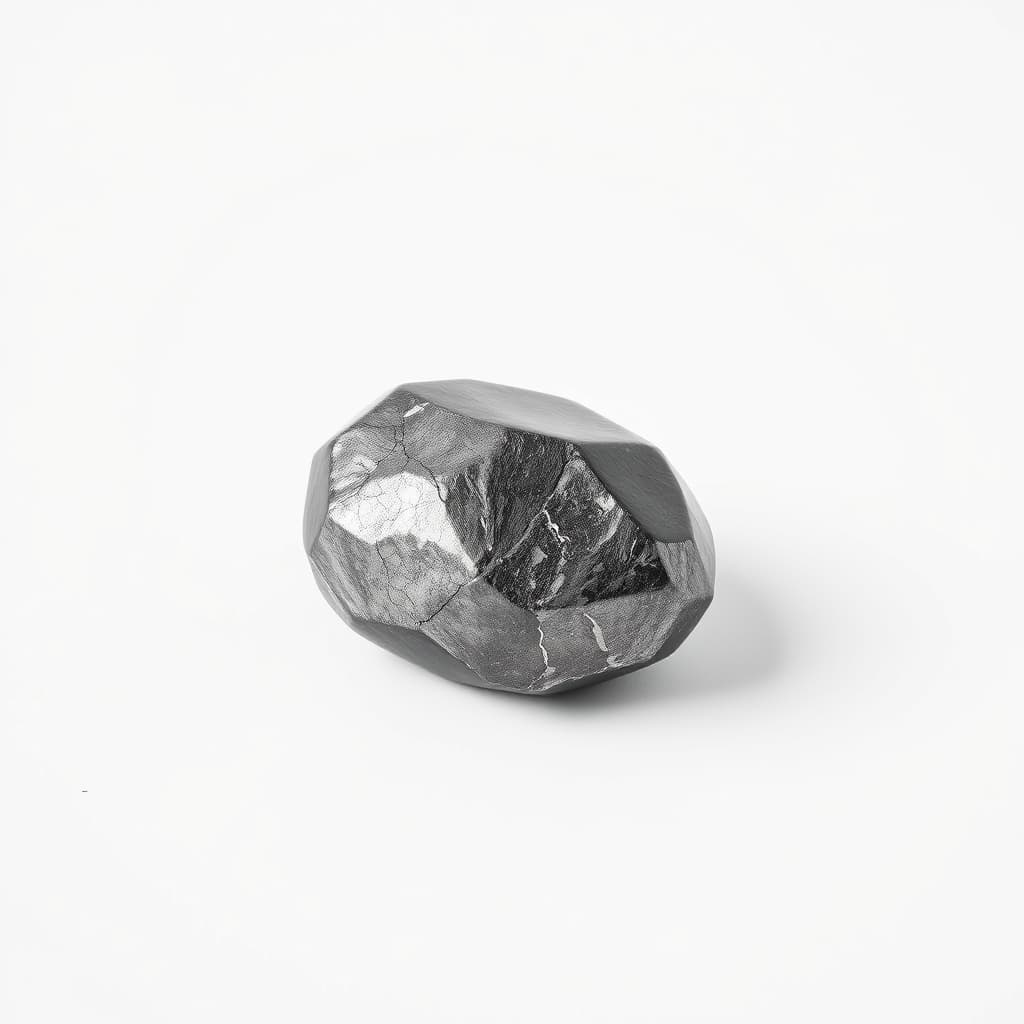
Hematite, the Heavy One
Iron oxide with a mirror shine and a weight you feel. The cosmetics and pigment history, why it has been associated with grounding for millennia, and the specific reason one modern claim about it is physics fiction.
Mentioned in
Sit with us on Sundays.
One quiet letter every week. New writing, a crystal to consider, and whatever we have been thinking about. No tracking pixels, no affiliate noise.
By subscribing you agree to receive weekly emails from AU Crystals. Unsubscribe anytime. See our privacy note.