
Crystals for Sleep, and the Bedside Ritual That Actually Works
No stone physically induces sleep. A bedside object used consistently can become one of the most reliable sleep cues you own. Here is which crystals fit the tradition and how to use them without overselling.
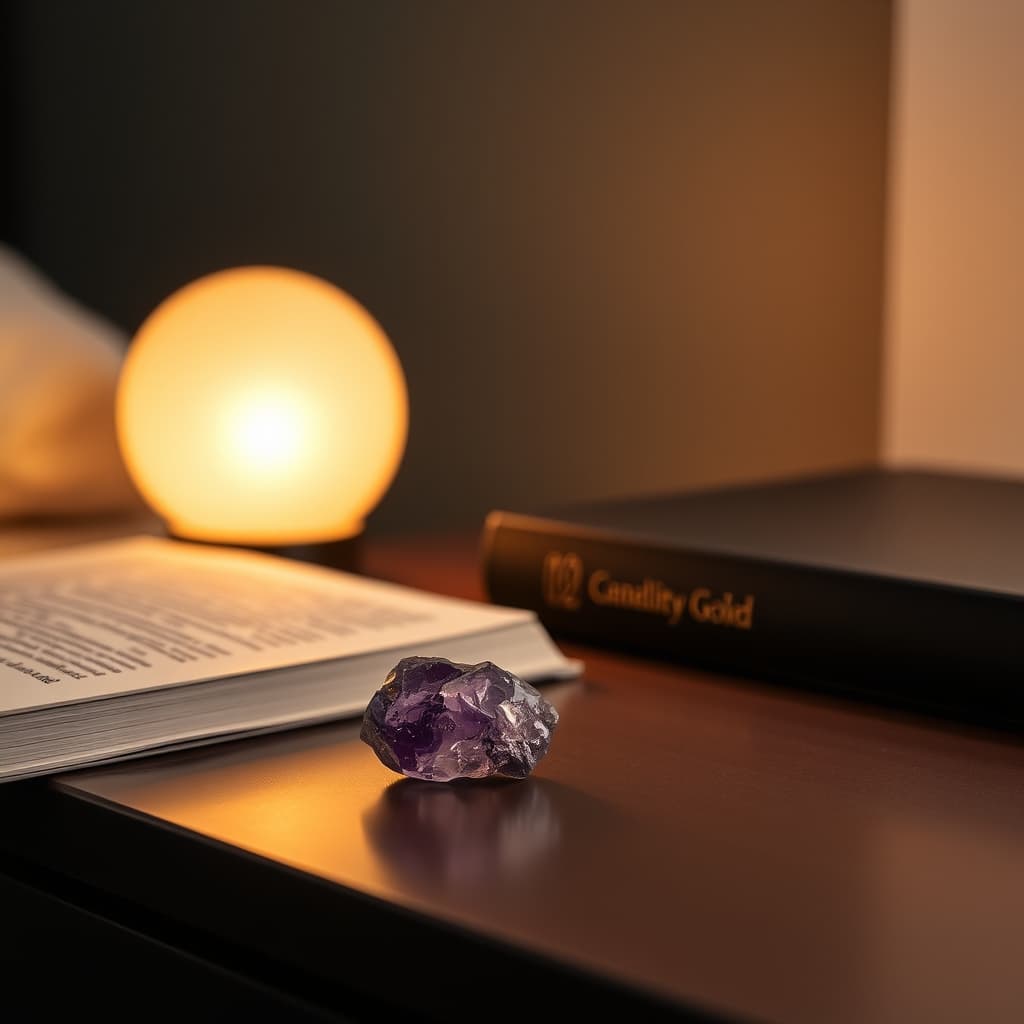
At a glance.
Quick read- ChakraCrown (Sahasrara), Third Eye (Ajna)
- Mohs hardnessVaries
- Mineral familyLifestyle pairing
- OriginModern practice
- ColourSoft purple, white, silver
- ElementAir, Water
- ZodiacUniversal
- Sits well withPre-sleep ritual anchor
- Water safeDepends on stone
- Sun safeDepends on stone
- RarityWidely available
Sleep is one of the most common reasons people buy their first crystal. The promise is usually that a specific stone on the nightstand will help you fall asleep. The physiological claim is false. The behavioural one is real, if you use it right.
Why the bedside ritual works
Sleep-hygiene research converges on a simple principle. Consistent pre-sleep cues help the nervous system shift into sleep. A specific light, a specific book, a specific object your eye rests on before you close them all serve the same function. The crystal works as one more cue, visible in the dim bedside light.
Used with discipline, the stone becomes part of the end-of-day signal. Without discipline, it is just a pretty object.
The stones most often recommended
Amethyst is the classic. Soft lavender glow in low light, widely available, affordable at every price.
Moonstone for the lunar association. Particularly fitting if you already track cycles.
Selenite for the clearing tradition. Never place selenite in water or near humidity.
Howlite for the calming tradition, with the caveat that most marketed "sleep howlite" is dyed.
The simple ritual
Before getting into bed:
- Put the phone down, ideally in another room
- Take the stone in your hand
- Hold it for three slow breaths
- Return it to the nightstand
That is the whole practice. Every night. Same stone. Same place.
What to skip
- Expensive sleep crystal sets. One stone does the work.
- Elaborate pillow placements. Nightstand is enough.
- Expecting results in three nights. The ritual pays off after two to four weeks of consistency.
A real caveat. If you have chronic insomnia (more than three nights a week, for more than three weeks), please speak to a doctor. A stone will not address sleep apnea, anxiety-driven insomnia, or any clinical cause. The ritual is a complement to real sleep care, not a substitute.
A closing note
A stone on a nightstand is one of the gentlest introductions to crystal practice. The ritual itself is hundreds of years old. Used honestly, it works because you are using it, not because the stone is doing anything invisible.
A few honest questions.
Does any crystal actually make you sleepy?
No. The sleep research literature finds no mechanism by which a mineral placed near a sleeping body alters sleep physiology. What does work is consistent pre-sleep behaviour, and a bedside stone can anchor that behaviour.
What crystal is most often recommended for sleep?
Amethyst. It has the longest tradition, the most distinctive colour for low light, and the widest availability at every price.
Should I put crystals under my pillow?
You can. Some people prefer the tactile cue. A bedside table works just as well and is more practical since stones under pillows often migrate during the night.
Keep reading.
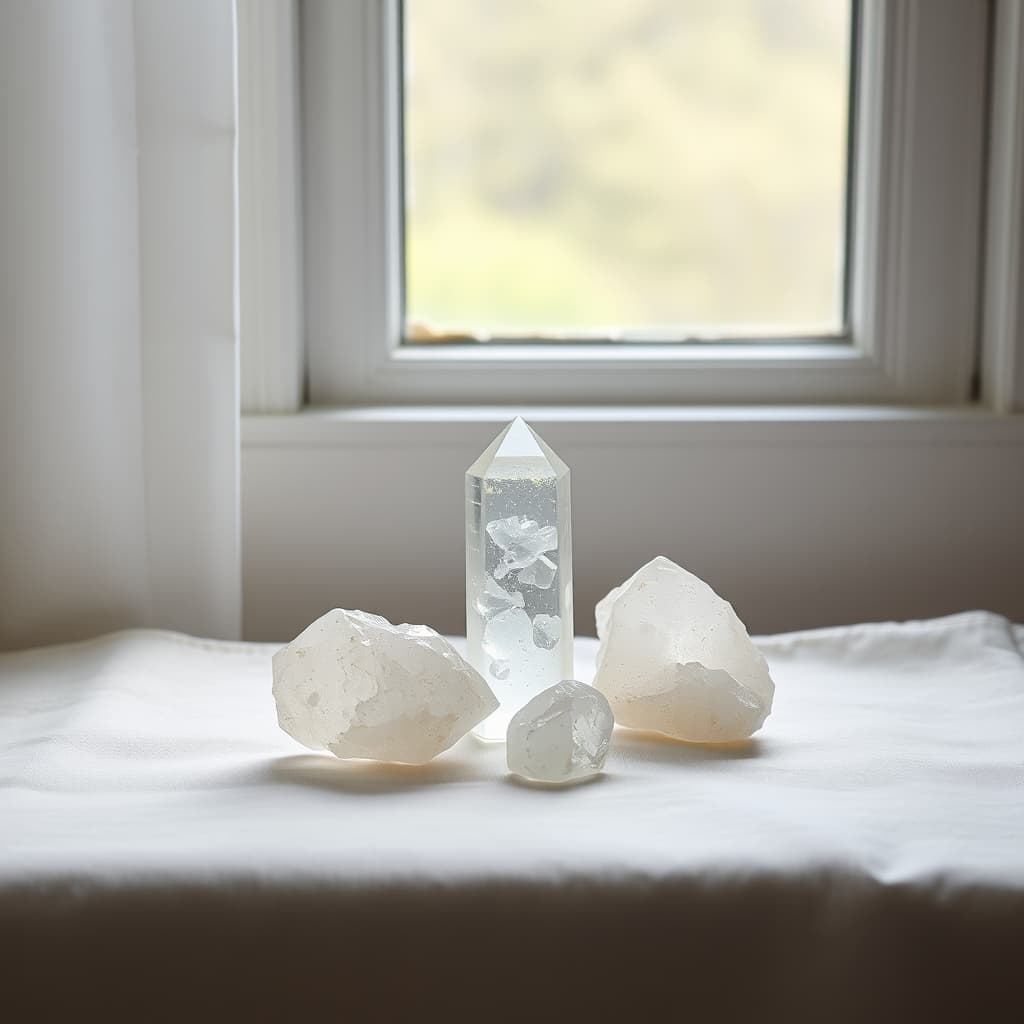
Crystals for Anxiety, Honestly
Anxiety is not something a stone fixes. A small steady object can still be part of how you move through an anxious day. Here is what the tradition actually recommends, what to skip, and when to call a professional.
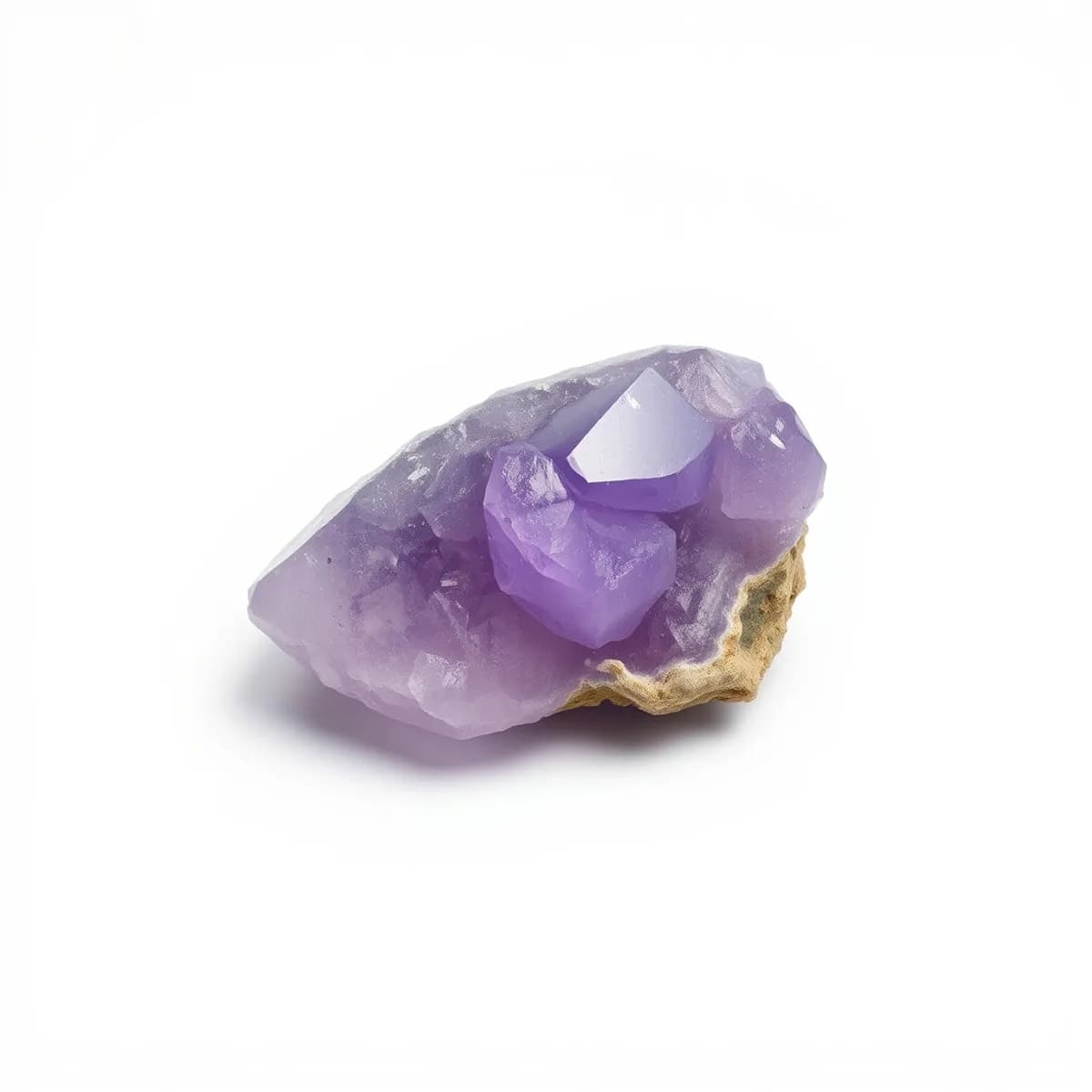
Amethyst, at Closer Range
The stone most people meet first. A slower look at where it comes from, why Brazilian and Uruguayan pieces look so different, and what sleep research can and cannot say about keeping one by the bed.
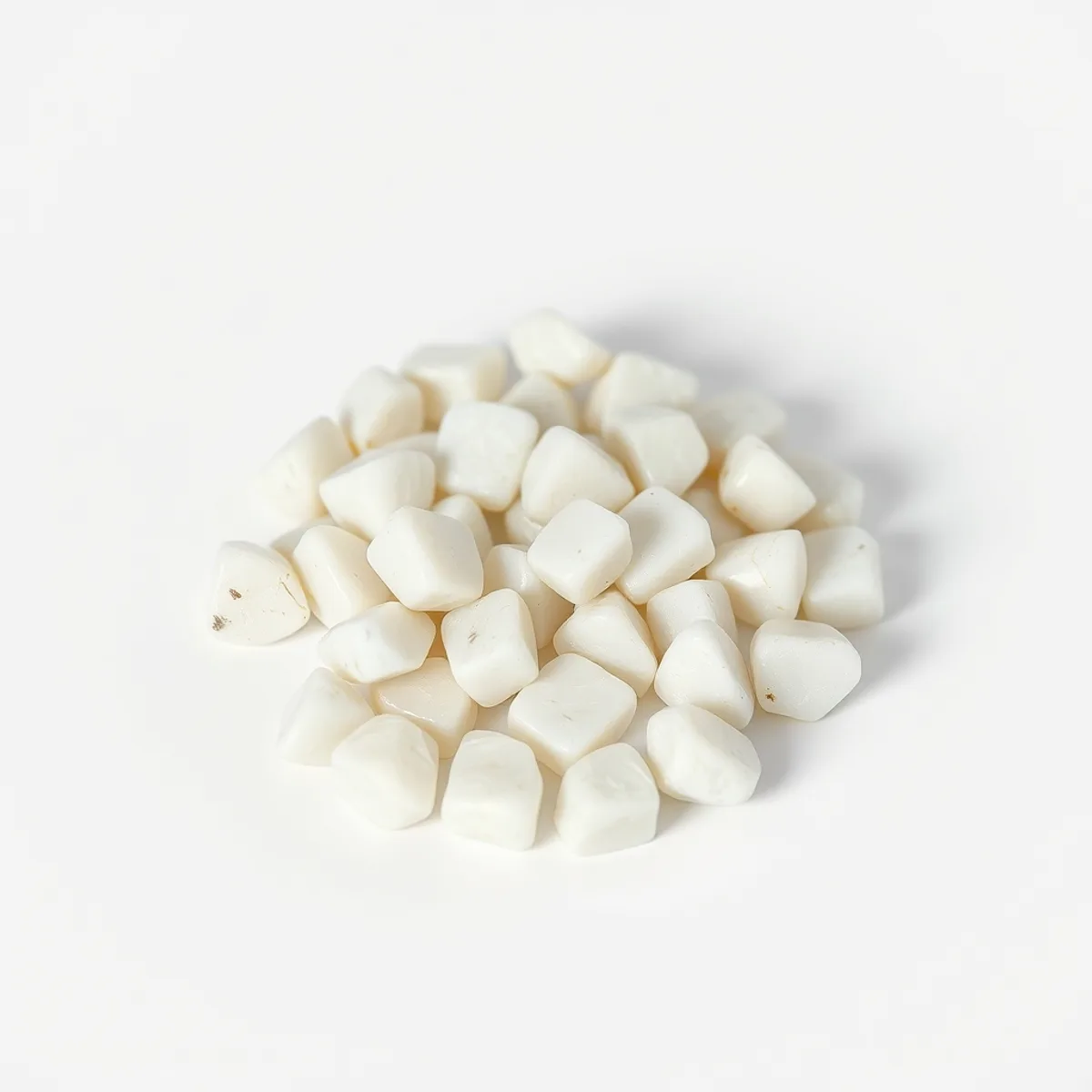
Moonstone, and the Soft Kind of Strength
A stone that glows from the inside in the right light. Where adularescence comes from, why rainbow and blue moonstone are different creatures, and the long tradition of carrying one during change.
Mentioned in
Sit with us on Sundays.
One quiet letter every week. New writing, a crystal to consider, and whatever we have been thinking about. No tracking pixels, no affiliate noise.
By subscribing you agree to receive weekly emails from AU Crystals. Unsubscribe anytime. See our privacy note.