
Rose Quartz, Honestly
Most of what gets written about rose quartz is a bit breathless. Here is a quieter guide, with the geology, the tradition, and a few honest notes on what crystal skincare can and cannot do.
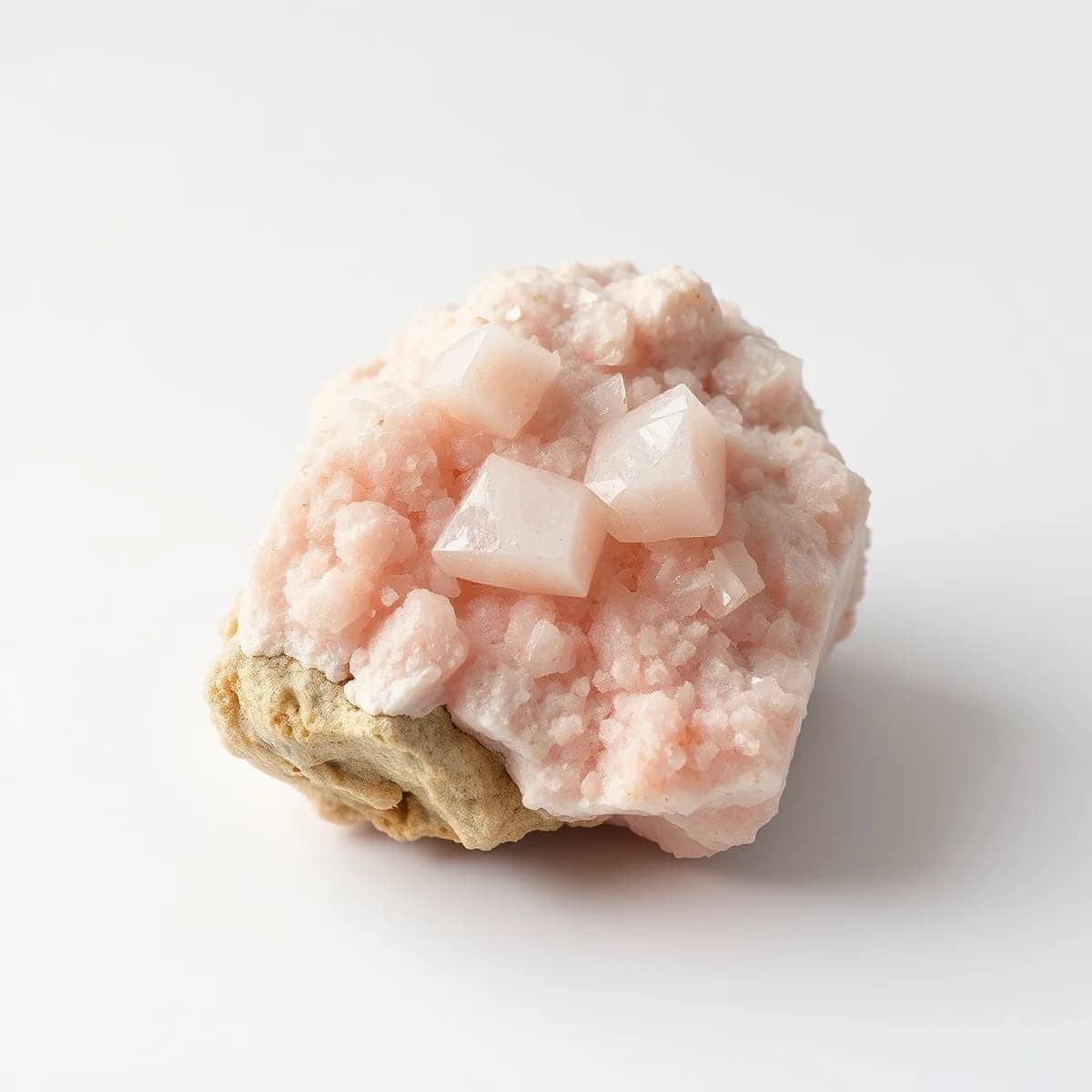
At a glance.
Quick read- ChakraHeart (Anahata)
- Mohs hardness7
- Mineral familyQuartz
- OriginMadagascar, Brazil, South Dakota
- ColourSoft pink to blush
- ElementWater
- ZodiacTaurus, Libra
- Sits well withSelf compassion, softness, quiet grief
- Water safeYes, avoid prolonged salt water
- Sun safeNo, fades in direct sun
- RarityCommon
Most writing about rose quartz starts with a soft claim and dresses it up in glitter. I want to start somewhere quieter. Rose quartz is a pink variety of one of the most ordinary minerals on earth. It has been pulled out of the ground for at least six thousand years, carved into beads long before anyone called it a healing stone, and loved across cultures that had almost nothing else in common. That is a more interesting fact than any wellness claim, and it is a better place to begin.
What rose quartz actually is
Chemically, rose quartz is silicon dioxide, the same as clear quartz. The pink comes from trace amounts of titanium, iron, manganese, or dumortierite inclusions, depending on the deposit. It forms slowly in pegmatites, which are coarse grained igneous rocks, and the most beautiful specimens still come from Madagascar, Brazil, and the Black Hills of South Dakota.
Good rose quartz is rarely a vivid, even pink. It tends to be cloudy, with a slight softness to the light, and sometimes faint milky banding inside. That cloudiness is actually a feature, not a flaw. Cut and polished well, it glows.
Where the meaning comes from
Rose quartz beads have been found in Mesopotamian graves from around 7000 BCE. Ancient Egyptians used it in beauty rituals. Romans carried it as a token of reconciliation. The Greeks gave it a myth involving Aphrodite and Adonis that is, depending on the telling, either very tender or very bloody.
The through line across all of it is softness. Not romance in the Hallmark sense, but the gentler kind. The willingness to stay open when it would be easier to close.
When modern crystal writing calls rose quartz the stone of love, it is drawing on that older thread. Whether you take the metaphysics seriously or treat it as poetry is up to you. The tradition itself is old and honest either way.
The chakra association
In the yogic system, the heart chakra, or Anahata, sits at the center of the chest and governs emotional openness. Rose quartz is the most common stone paired with it, which makes sense if you think of the association as visual and tactile rather than pharmacological. Pink is a gentle color to look at. A tumbled stone warms in your palm. A few slow breaths with something warm resting on your sternum is a perfectly reasonable meditation, whether or not you believe any energy is moving.
A gentle reminder. Rose quartz is not medicine. If you are working through grief, anxiety, or anything else that feels heavy, a stone is a companion at best. A therapist is a better first call.
Small ways to live with one
You do not need a practice. Most people who keep rose quartz around do one or two small things with it and leave the rest alone. A few that feel natural to us.
One, keep a tumbled piece in your pocket the way you might keep a worry stone. When you reach for your phone, reach for the stone instead, just once.
Two, set it on your nightstand. Not as a sleep aid, but as the last thing you see before you turn out the light. Small visual cues do quiet work.
Three, if you already journal, put it next to your notebook. It becomes a signal to your body that this is the time you write.
Four, wear it. A pendant keeps the stone close to the chest through the day, which is where the whole heart chakra idea comes from anyway.
A word on crystal skincare
The fad for rose quartz rollers and gua sha tools has produced a lot of confusing claims. So here is where we draw the line clearly.
The massage itself helps. Moving a cool, firm tool across the face can reduce puffiness in the short term, improve lymphatic drainage, and feel genuinely pleasant. None of that is in dispute.
What a stone does not do is transfer minerals, energy, or any active compound into your skin. Your skin barrier is doing its job. If someone is selling you rose quartz infused serum on the theory that the quartz is dissolving into your face, read the ingredient list and then keep walking.
The ritual still counts. Slowing down with your face in your hands for three minutes is not nothing. Just do not pay serum prices for the idea that a rock is going inside you.
Real rose quartz versus dyed imposters
The quickest tells, in order of usefulness.
| Test | Authentic rose quartz | Dyed or synthetic |
|---|---|---|
| Colour | Uneven, light and dark zones | Flat, uniform, often too saturated |
| Inclusions | Fine rutile needles, natural fractures | Clean in a plastic looking way |
| UV longwave | Dull response | Often fluoresces unnaturally |
| Loupe at 10x | Irregular crystal structure | Smooth, glass like interior |
A cheap longwave UV torch can save you a lot of guesswork. If you are still not sure, a jeweler with a loupe and five minutes can settle it. Most will do this for free if you are polite.
Where this leaves you
Nothing dramatic. Rose quartz is a very old stone that people have loved for a long time, and that love has rarely been complicated. It does not need to do more than it already does. Keep one near you, or do not. Read the geology if that is the part that appeals. Read the tradition if that is. Either reading is a full one.
A few honest questions.
Is rose quartz safe to put in water?
Yes. Rose quartz sits at 7 on the Mohs scale and handles fresh water easily. Long soaks in salt water can dull the polish over time, so treat it like any other piece of stone jewelry.
Will sunlight fade rose quartz?
Direct, prolonged sunlight can gently lighten the pink tone over months. A windowsill in indirect light is fine. A south facing window in summer is not.
Does crystal infused skincare actually do anything?
From a dermatology point of view, nothing active transfers from the stone to your skin. Any benefit is mechanical, like the lymphatic massage from a face roller, or the small ritual of slowing down. Both are real. Just not chemistry.
Keep reading.
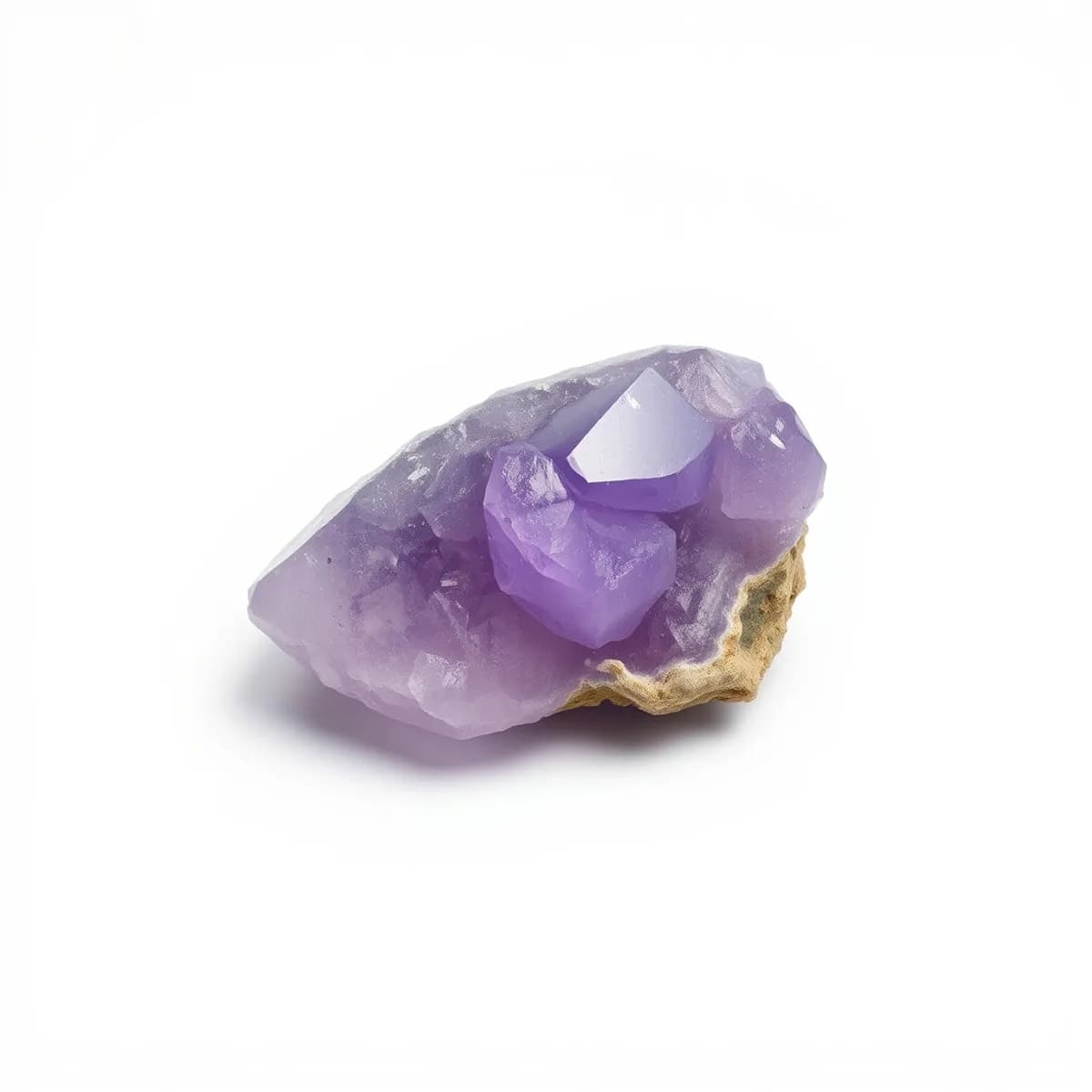
Amethyst, at Closer Range
The stone most people meet first. A slower look at where it comes from, why Brazilian and Uruguayan pieces look so different, and what sleep research can and cannot say about keeping one by the bed.
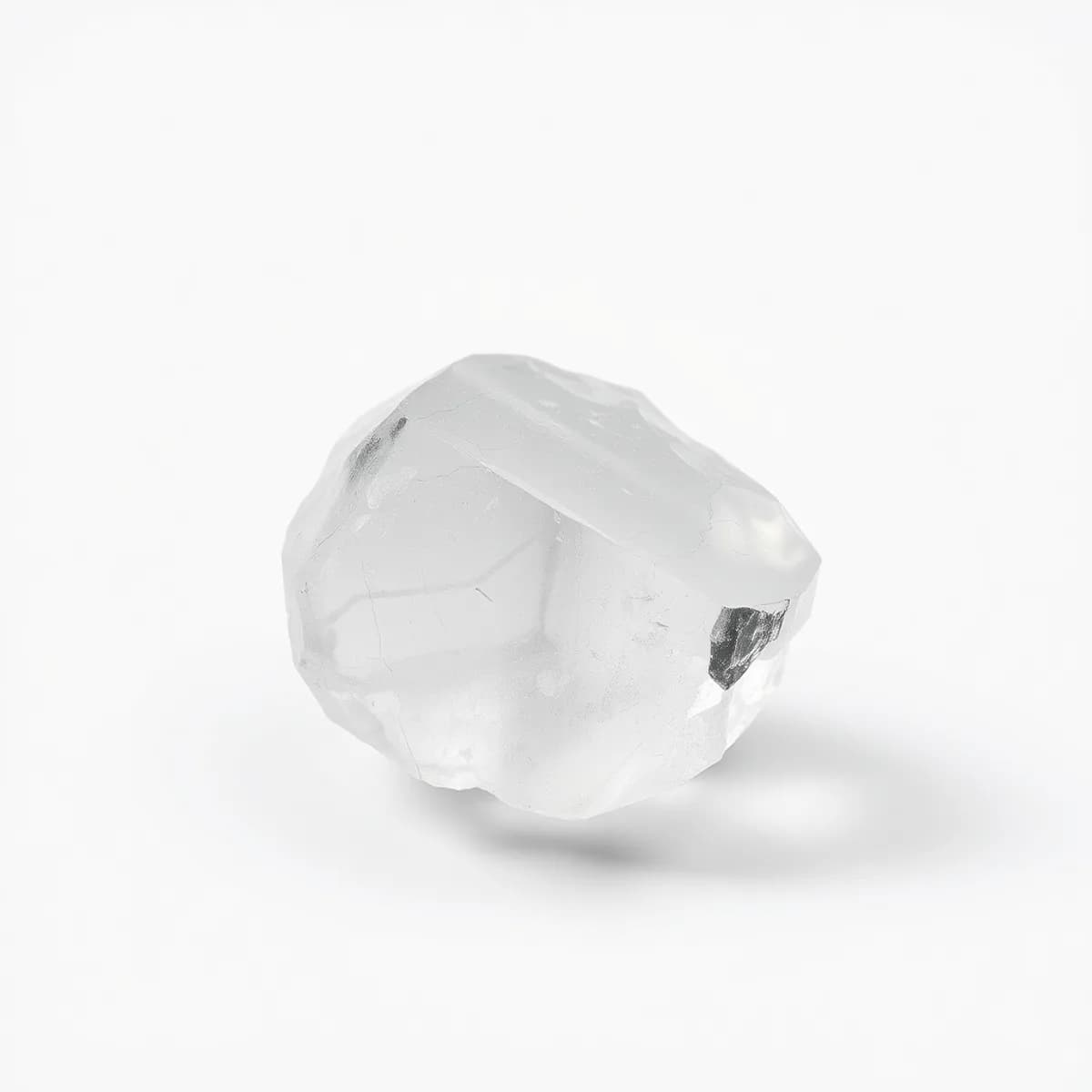
Clear Quartz, the One That Does a Bit of Everything
Called the master healer in tradition and used in nearly every radio and watch in the twentieth century. A look at what clear quartz actually is, how it earned its reputation, and why it gets recommended for almost everything.
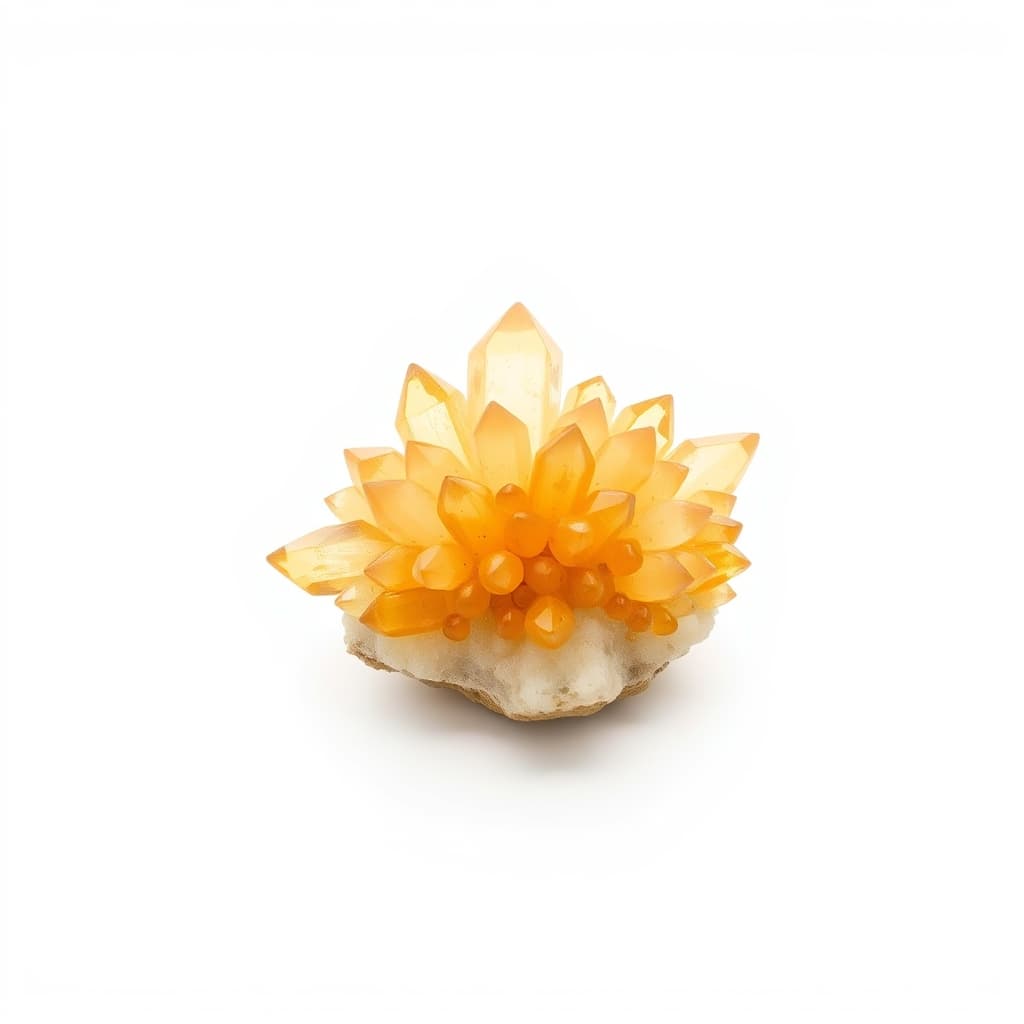
Citrine, and the Quiet Trouble With Most of What You Buy
Real citrine is one of the rarer quartz varieties. Most of what sells under the name is heat treated amethyst. Here is how to tell the difference, why it matters, and what the stone traditionally stood for before any of that got complicated.
Sit with us on Sundays.
One quiet letter every week. New writing, a crystal to consider, and whatever we have been thinking about. No tracking pixels, no affiliate noise.
By subscribing you agree to receive weekly emails from AU Crystals. Unsubscribe anytime. See our privacy note.