
Eclipses, Astronomically and Ritually, Without the Panic
Eclipses are some of the most visually striking sky events available to the naked eye. Modern astrology often overstates their influence. Here is a grounded look at what is actually happening, and how to sit with an eclipse day without magical thinking.
At a glance.
Quick read- ChakraCrown (Sahasrara), Third Eye (Ajna)
- Mohs hardnessn/a
- Mineral familyCelestial event
- OriginAstronomy + astrology
- ColourShadow
- ElementWater, Fire, Air
- ZodiacVaries by eclipse axis
- Sits well withThreshold reflection, six-month orientation
- Water safen/a
- Sun safen/a
- Rarity4 to 7 per year
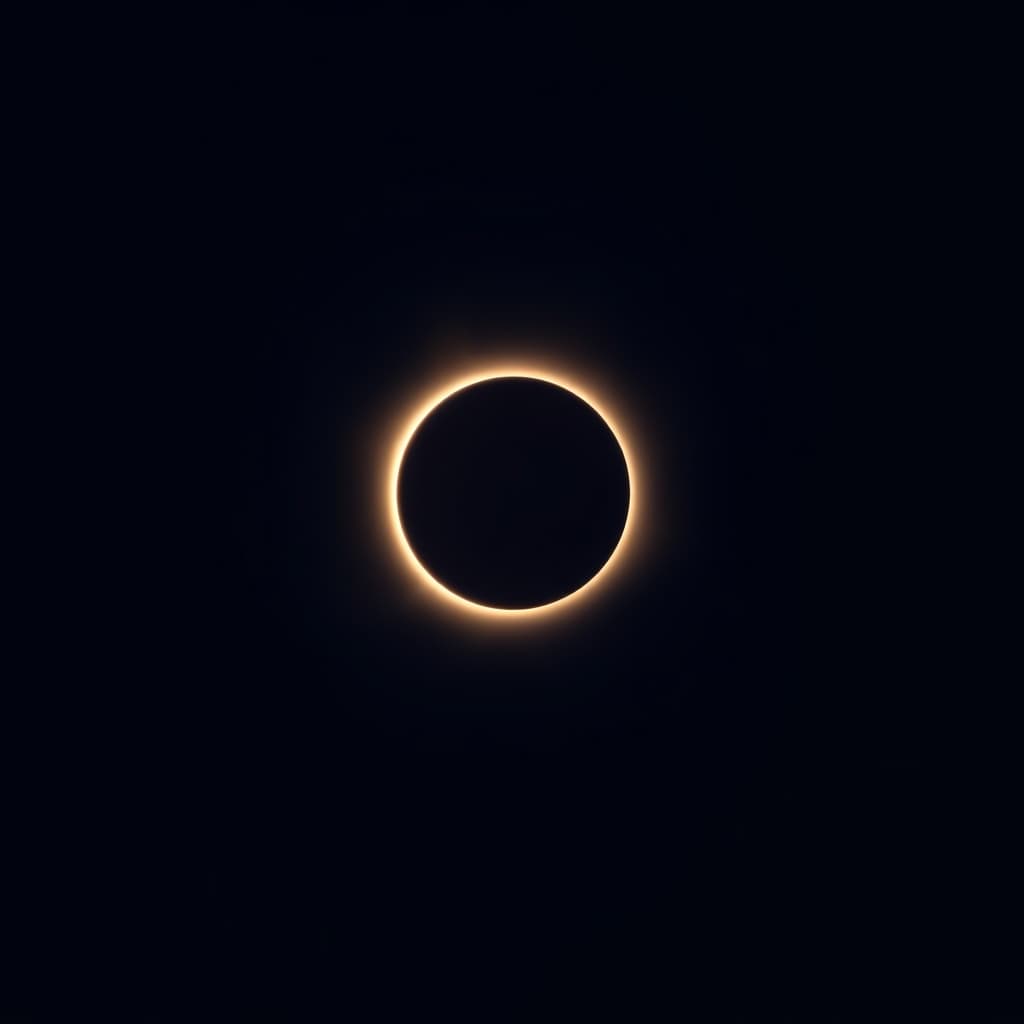
Eclipses are the most dramatic natural light events you can witness without a telescope. Total solar eclipses turn day briefly to twilight. Lunar eclipses tint the moon rust red. Knowing how they actually work makes the cultural weight of the event easier to honour without sliding into panic.
The astronomy, simply
A solar eclipse happens when the Moon passes between the Earth and the Sun, casting a shadow on the Earth's surface. It can happen only at new moon. A lunar eclipse happens when the Earth passes between the Sun and the Moon, casting its shadow on the Moon itself. It can happen only at full moon.
Four to seven eclipses occur each year, paired in windows called eclipse seasons, roughly every six months. They travel across specific zodiacal points on an 18-year cycle called the Saros cycle, which is why astrologers track them through pairs of signs.
The astrological tradition
Classical astrology treats eclipses as amplified lunations. A solar eclipse reads like an unusually weighty new moon. A lunar eclipse reads like an unusually weighty full moon. The cultural framing is that themes of that specific eclipse axis sharpen for roughly six months after.
Modern crystal writing often escalates this into superstition and fear. The older tradition is calmer. Eclipses are significant. They are not catastrophic.
A simple ritual
Twenty minutes.
Observe if you can. A lunar eclipse is safe to watch with the naked eye. A solar eclipse needs proper eclipse glasses, not sunglasses. Never look at the uneclipsed sun directly.
Choose one stone. Obsidian for the shadow framing, or amethyst for quiet thinking. Anything you already trust.
Write one sentence about what this six-month window might ask of you. Not manifestation. Orientation.
Place the stone on the page as the eclipse completes.
Come back to the page in one month and in six months. That is the actual practice.
A closing note
Eclipses are rare, beautiful, and worth pausing for. The cultural panic around them is not worth participating in. A quiet observation with one stone and one sentence is more than enough.
A few honest questions.
How often do eclipses happen?
Four to seven eclipses total occur each year, split between solar and lunar. They come in pairs or triples, approximately every six months, in what astronomers call eclipse seasons.
Are eclipses astrologically more intense than regular full or new moons?
The astrological tradition treats eclipses as amplified new moons (solar) or full moons (lunar) tied to specific zodiac axes for roughly six months. The cultural weight is real. The magical panic often surrounding eclipses is not well supported by classical sources.
Should I do special crystal work during an eclipse?
Traditional practice says yes, but keep it simple. Observe the event if you can see it. Sit with one stone. Write one sentence about what this six-month window might ask of you. No grand rituals needed.
Keep reading.
A Full Moon Ritual, Without the Pretence
The moon does not actually charge your stones. But a quiet evening practice tied to a visible lunar event can do real behavioural work. Here is a simple ritual that takes twenty minutes and honours the tradition without overselling it.
A New Moon Ritual, for Beginnings You Can Actually Keep
The new moon is traditionally the time for setting intentions. Most intention rituals overpromise. Here is a simpler one that honours the lunar cycle and still stands up on a random Tuesday three weeks later.
Obsidian, the Mirror Stone
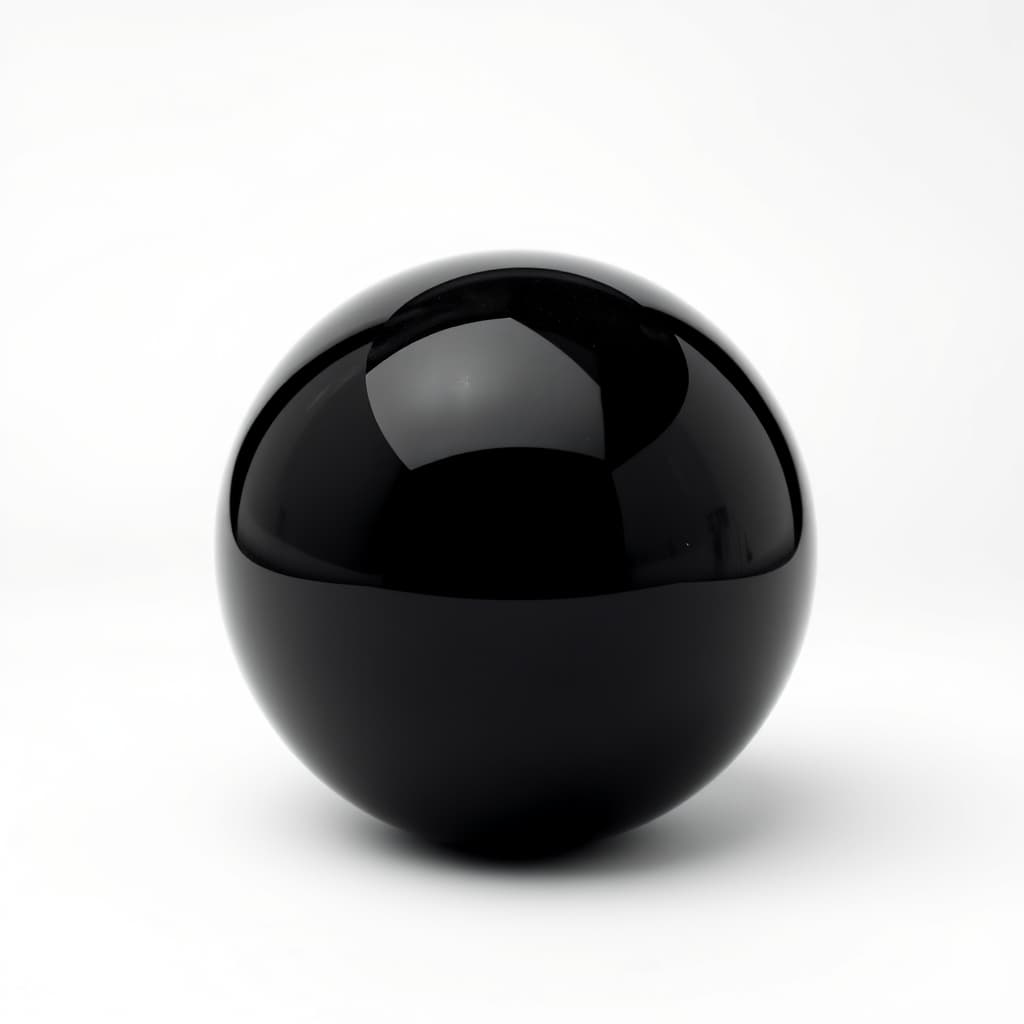
Volcanic glass old enough to predate agriculture, sharp enough to have been the scalpel of choice in some modern surgeries. A careful look at its varieties, its long tradition as a mirror, and why it is one of the most honestly difficult stones in the crystal world.
Sit with us on Sundays.
One quiet letter every week. New writing, a crystal to consider, and whatever we have been thinking about. No tracking pixels, no affiliate noise.
By subscribing you agree to receive weekly emails from AU Crystals. Unsubscribe anytime. See our privacy note.