
A Full Moon Ritual, Without the Pretence
The moon does not actually charge your stones. But a quiet evening practice tied to a visible lunar event can do real behavioural work. Here is a simple ritual that takes twenty minutes and honours the tradition without overselling it.
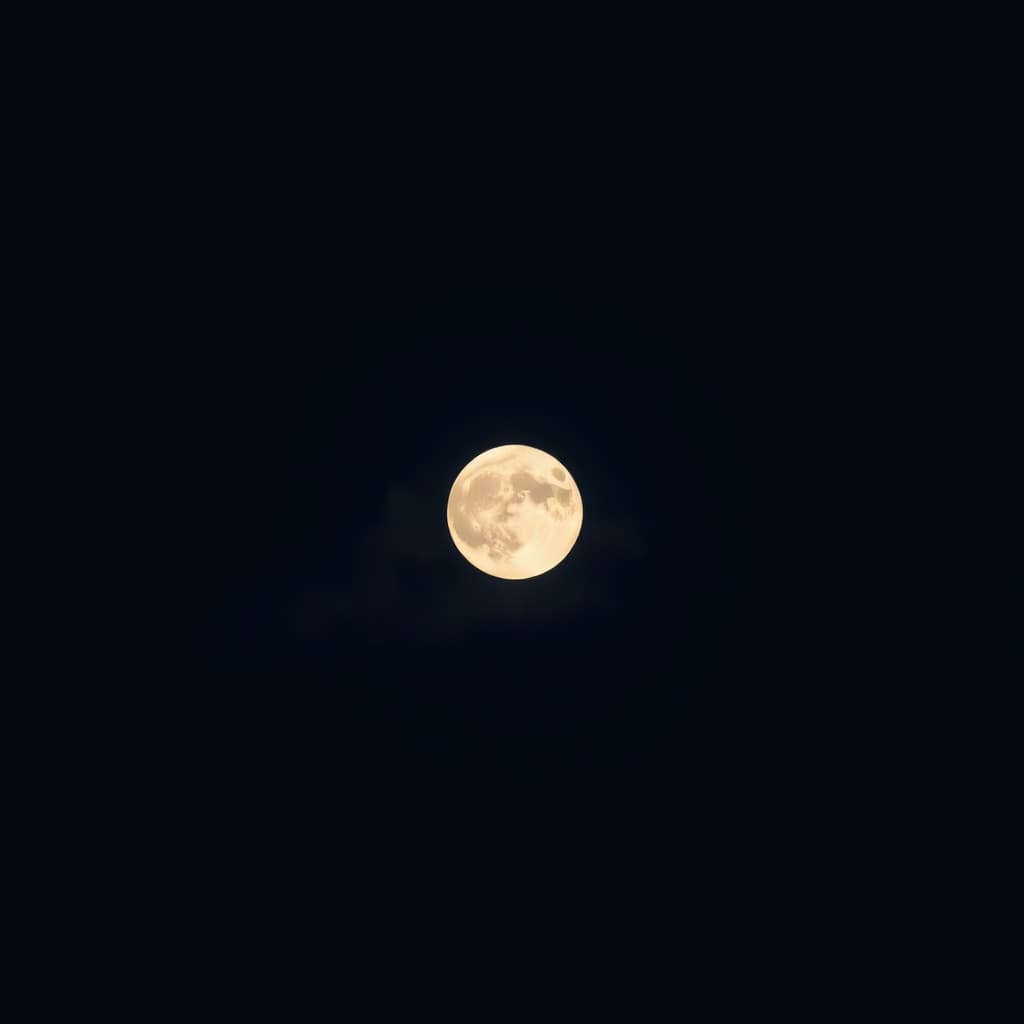
At a glance.
Quick read- ChakraCrown (Sahasrara), Third Eye (Ajna)
- Mohs hardnessn/a
- Mineral familyLunar practice
- OriginMany cultures
- ColourSilver moonlight
- ElementWater, Air
- ZodiacCancer
- Sits well withRelease, reflection, honouring cycles
- Water safen/a
- Sun safen/a
- RarityMonthly
The full moon ritual is the most recognizable crystal practice in modern wellness culture. It is also the one most often oversold. The claim that moonlight "charges" your stones is physics fiction. The claim that a quiet monthly practice tied to a visible natural event can genuinely change how you approach your life is physics-compatible, psychologically supported, and beautiful in its own right. Those are different claims. This guide does the second one honestly.
What the tradition is actually about
Full moon rituals exist across nearly every human culture that has had access to the night sky. The common thread is reflection and release. The moon at full is the brightest natural light most ancestors ever saw after dark. It marks a specific point in a cycle that you can actually watch, unlike abstract calendar dates. Doing something consistent every time the moon goes full is a way of letting time punctuate your life in a way Roman calendar months cannot.
Modern crystal practice adds stones to that older ritual. The stones are companions, not active ingredients.
A simple twenty-minute ritual
Before the moon rises, gather three things: a stone you already live with, a small cloth or tray, and something to write on. A notebook is best.
1. Settle for five minutes. Sit somewhere comfortable where you can see out a window or be outside. Do not talk. Let the body arrive.
2. Place the stone on the cloth or tray in front of you. Look at it under whatever light you have. Say to yourself, silently or out loud, one thing that has been heavy this past month. Only one. Not a list.
3. Write that one thing down. Three to five sentences. This is for you. No one else reads it. Describe it specifically.
4. Sit for another five minutes and ask what small thing you could release around it. Not fix. Release. The smaller the better. A habit of checking your phone at midnight. A particular resentment you keep rehearsing. A commitment you said yes to out of guilt.
5. Write that down too. One sentence.
6. Leave the stone on the windowsill overnight where it can see the sky. Not as a charging ritual. As a marker that this specific night, you did this specific pause.
7. In the morning read what you wrote before putting the stone back in its normal spot.
That is the whole thing. Twenty minutes. No incense, no candles, no elaborate sequences required unless you enjoy them.
Which stones sit well with this practice
The most traditional pairings.
- Moonstone for the obvious lunar association and the soft inner glow
- Selenite for the crystalline quality of the light it reflects
- Amethyst for the quiet mental settling
- Clear quartz as a neutral companion when you are not sure
A practical note. Selenite and water do not mix. If you leave selenite outside and dew settles on it, the surface slowly dissolves. Bring selenite pieces inside overnight or place them on a covered windowsill.
What to skip
- Elaborate crystal grids beyond your experience level. Keep it simple.
- Buying a new stone specifically for the ritual. Use what you own.
- Declaring specific outcomes you expect from the moon. That is not how rituals work.
- Dramatic affirmations. Plain honest reflection outperforms scripted intention.
- Social media posts about your ritual. Private practice is more powerful.
Why the practice works even without metaphysics
A monthly ritual that combines reflection, writing, and a physical object produces three effects that sleep research, habit formation research, and therapy practice all support independently:
- Spaced repetition of self-reflection helps you notice patterns
- Writing moves thoughts from rumination into concrete language
- Physical anchoring (the stone, the tray, the window) helps memory consolidation
None of this requires belief in anything beyond ordinary psychology. If the lunar framing helps you do the reflection once a month, the framing has earned its place, even stripped of mysticism.
A closing note
The full moon rises whether or not you mark it. The stones on your shelf are indifferent to your schedule. Doing a small quiet thing on purpose once a month, with an object in your hand, is a way of saying that you were here and you paid attention. That is enough. That is the whole tradition.
A few honest questions.
Does the full moon actually charge crystals?
No. There is no physical or chemical mechanism by which moonlight transfers energy into mineral specimens. The tradition is a ritual gesture, not a scientific claim. That said, the ritual itself (setting stones out, remembering them at a specific moment each month) is genuinely useful as a practice of pausing and paying attention.
Which crystals work best for full moon ritual?
Moonstone, selenite, amethyst, and clear quartz are the most traditional. Any stone you already live with works. The ritual is about you and the moon, not which crystal is trendier this month.
Should I leave my crystals out overnight?
Most are fine. Avoid leaving soft or water-soluble stones outside where dew can collect, especially selenite, malachite, and pyrite. A windowsill inside works as well as a balcony.
What if I miss the full moon?
The moon is effectively full for three nights. If you miss the peak, the night before or after works just as well for the practice.
Keep reading.
A New Moon Ritual, for Beginnings You Can Actually Keep
The new moon is traditionally the time for setting intentions. Most intention rituals overpromise. Here is a simpler one that honours the lunar cycle and still stands up on a random Tuesday three weeks later.
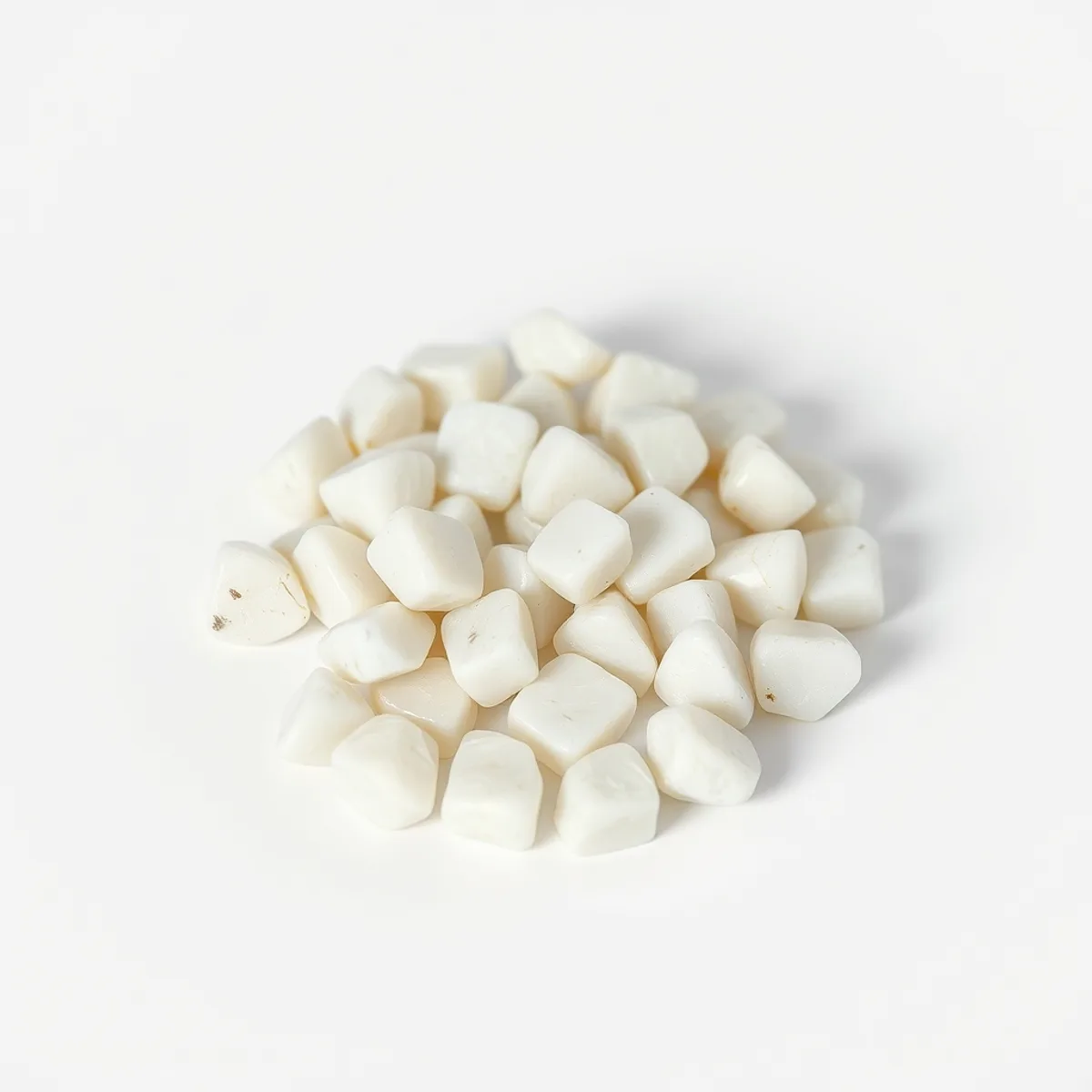
Moonstone, and the Soft Kind of Strength
A stone that glows from the inside in the right light. Where adularescence comes from, why rainbow and blue moonstone are different creatures, and the long tradition of carrying one during change.
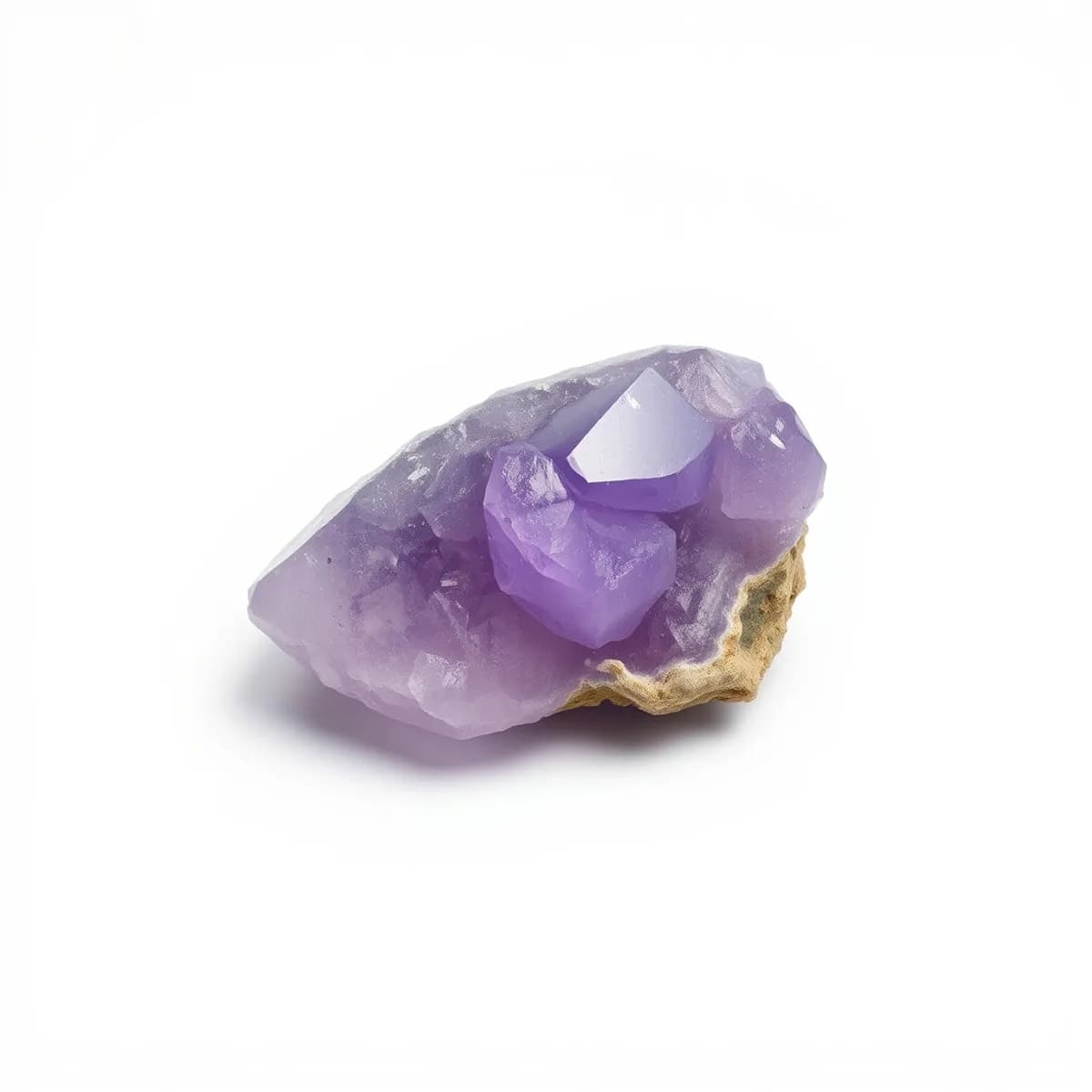
Amethyst, at Closer Range
The stone most people meet first. A slower look at where it comes from, why Brazilian and Uruguayan pieces look so different, and what sleep research can and cannot say about keeping one by the bed.
Sit with us on Sundays.
One quiet letter every week. New writing, a crystal to consider, and whatever we have been thinking about. No tracking pixels, no affiliate noise.
By subscribing you agree to receive weekly emails from AU Crystals. Unsubscribe anytime. See our privacy note.