
Mercury Retrograde, and What the Panic Actually Is
Three to four times a year, Mercury appears to move backward across the sky. Most of what the internet says about this period is overstated. Here is what the astronomy actually shows, what the astrological tradition really claims, and which crystals sit honestly alongside the practice.
At a glance.
Quick read- ChakraThroat (Vishuddha), Third Eye (Ajna)
- Mohs hardnessn/a
- Mineral familyAstrological period
- OriginHellenistic astrology
- ColourShifting
- ElementAir
- ZodiacVaries by transit
- Sits well withSlowing down, reviewing, careful speech
- Water safen/a
- Sun safen/a
- RarityThree to four times yearly
Mercury retrograde is the single most-discussed astrological event in popular culture. It is also the most misunderstood. Let us start with what is actually happening in the sky, then move to what the tradition really claims, then to which crystals sit well with a calmer approach to the three weeks.
What Mercury retrograde actually is
Mercury orbits the Sun in about 88 days, much faster than Earth. Three or four times a year, Earth catches up to and overtakes Mercury in our faster orbit. From our perspective, Mercury appears to slow, stop, and trace a small loop backward against the background stars. Then Mercury resumes forward motion.
This is called apparent retrograde motion, and every planet in the solar system does it from our vantage point. Mars does it. Jupiter, Saturn, Neptune, all of them. Mercury just gets the most cultural attention because its retrograde windows are most frequent and most visible near the sunrise or sunset horizon.
The planet is not actually reversing. Our perspective is. Knowing this does not invalidate the astrology, it just removes the magical thinking about what is happening up there.
What the astrological tradition actually claims
Hellenistic and medieval astrology linked Mercury (the planet and the god) to communication, commerce, travel, and the written word. When Mercury appeared to reverse, astrologers described it as a time when Mercury's usual domains became unusually slippery. Messages got lost. Contracts needed revisiting. Travel plans changed.
The modern retelling has flattened this into a superstition about phones breaking and typos appearing. That is a caricature. The serious astrological tradition is subtler.
The actual claim, stripped of marketing, is that retrograde periods are better for reviewing (re-reading, re-visiting, re-examining) than for starting new (launching, committing, purchasing). The prefix "re" is the theme.
What the evidence shows
Statistical studies of service incidents (airlines, tech outages, postal delays) across known Mercury retrograde periods versus normal periods find no significant correlation. The effect, measured directly, is zero.
What does show up in behavioural data is this: people who follow Mercury retrograde as a cultural calendar tend to delay certain decisions during the window, which reduces rushed mistakes. The cultural awareness, not the astronomical event, produces the real-world benefit.
In other words, the superstition is doing useful work even if the astrology is not.
How to actually use Mercury retrograde
The honest version of the practice.
Defer launches. If you can wait three weeks to sign the contract, post the website, or send the big email, wait. Not because Mercury will curse it. Because the extra time almost always improves the work.
Review what is already in progress. Projects mid-flight benefit from a pause. Edit the manuscript you are writing. Re-read the business plan. Revisit last year's journal entries.
Double-check transactional details. Confirm flight times. Verify bank transfers. Re-read contracts before signing. This is just good practice, but the retrograde framing gives you cultural permission to slow down.
Delay non-urgent technology purchases. Again, not because Mercury is involved. Because waiting three weeks usually lets you see whether you actually needed the thing.
Which crystals pair well
Traditional pairings for the Mercury retrograde period.
- Amethyst for quiet thinking
- Lapis lazuli for careful speech
- Labradorite for moments when you know something is shifting but cannot articulate it
- Smoky quartz for grounding during a period that can feel disorienting
Keep whichever stone you already trust near where you work. The stone is a reminder to slow down, not a shield against cosmic influence.
What to skip
- Panic about your phone
- Superstitious delays on everything, including urgent matters
- Expensive crystal kits marketed specifically for retrograde protection
- Blaming every problem on Mercury for three weeks
A closing note
Mercury retrograde is a moment in the solar system's ongoing motion, interpreted through two thousand years of astrological tradition and simplified, often badly, by modern wellness culture. The honest middle path is simple. The planet is not reversing. The cultural window is real. The "re" prefix is a useful hint. Slow down, review, and put off major starts if you can. That is the tradition. That is the practice.
A few honest questions.
Is Mercury actually moving backward?
No. Mercury continues on its normal prograde orbit. The apparent backward motion is an optical illusion from our perspective on Earth. Our faster orbit overtakes Mercury's slower orbit, and for a few weeks Mercury appears to trace a loop against the background stars.
How often does Mercury go retrograde?
Three to four times a year, for roughly three weeks each time.
Do phones actually break more often during Mercury retrograde?
No. Statistical analysis of service incidents shows no correlation. The perception is selection bias. We notice technology failures during the publicized retrograde window and discount them during normal periods.
So why should I care about Mercury retrograde?
Even if the astrology does not cause things to go wrong, the cultural awareness of the period can function as a useful prompt to slow down, double-check, and delay important decisions. That is real.
Keep reading.

A Full Moon Ritual, Without the Pretence
The moon does not actually charge your stones. But a quiet evening practice tied to a visible lunar event can do real behavioural work. Here is a simple ritual that takes twenty minutes and honours the tradition without overselling it.
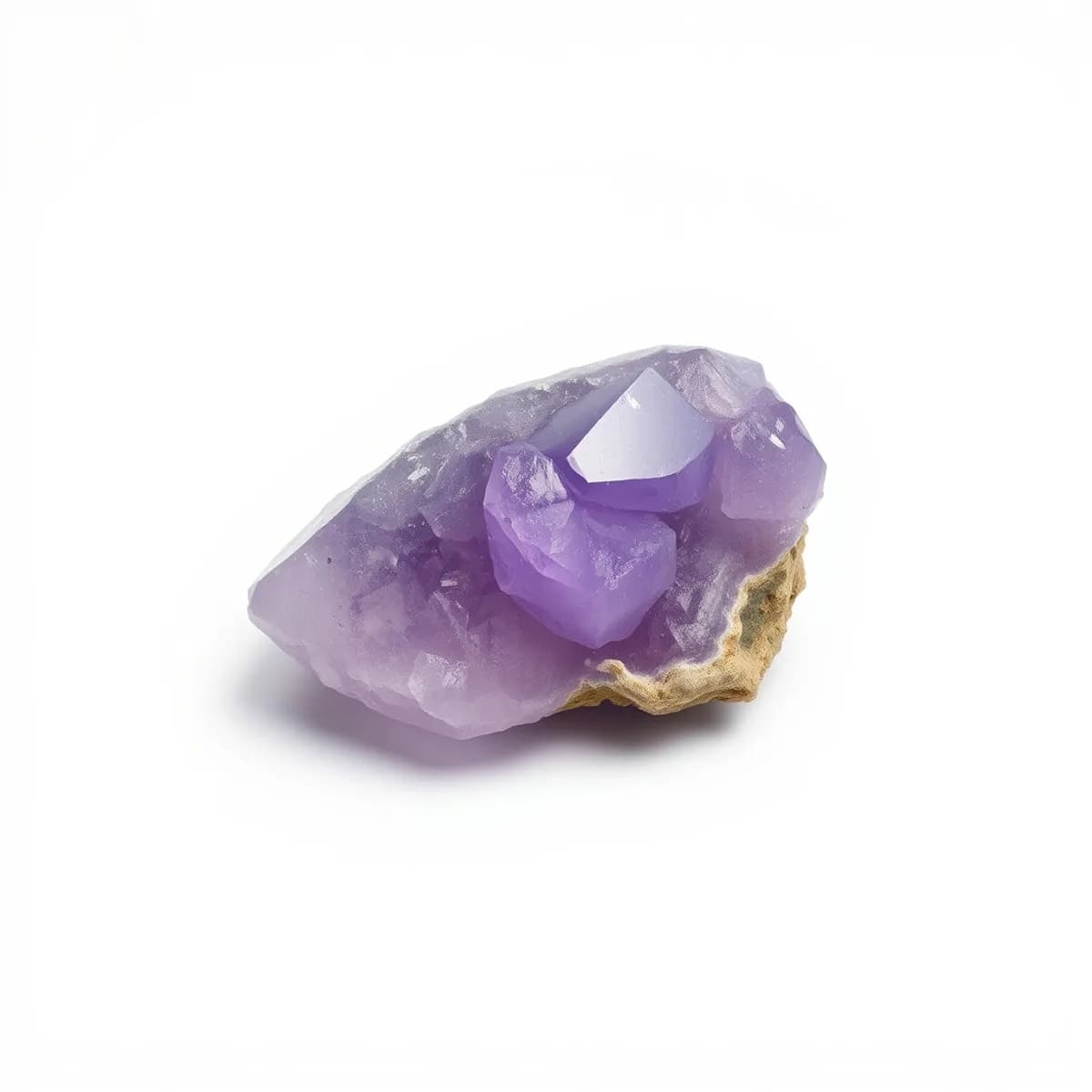
Amethyst, at Closer Range
The stone most people meet first. A slower look at where it comes from, why Brazilian and Uruguayan pieces look so different, and what sleep research can and cannot say about keeping one by the bed.
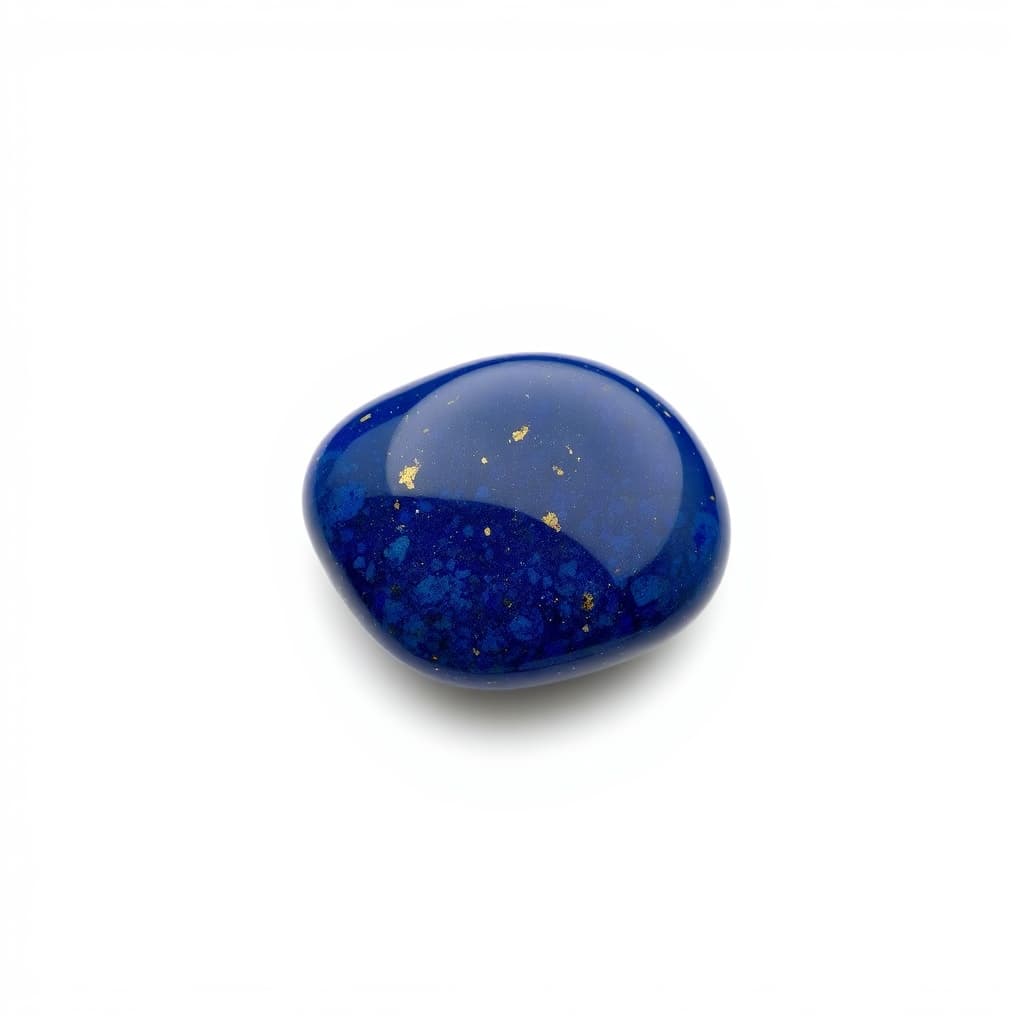
Lapis Lazuli, the Colour That Was Once Worth More Than Gold
Crushed, it was ultramarine, the most expensive pigment in the Renaissance. Worn, it was the stone of royalty across three thousand years. A careful look at what lapis actually is, where the real pieces come from, and how to read the pyrite.
Sit with us on Sundays.
One quiet letter every week. New writing, a crystal to consider, and whatever we have been thinking about. No tracking pixels, no affiliate noise.
By subscribing you agree to receive weekly emails from AU Crystals. Unsubscribe anytime. See our privacy note.